

 Travel Essentials
 Travel Essentials

Explore Medellín's eternal spring climate, innovative urban projects, street art scenes, coffee culture, and outdoor adventures that make it Colombia's must-visit city.
 Travel Essentials
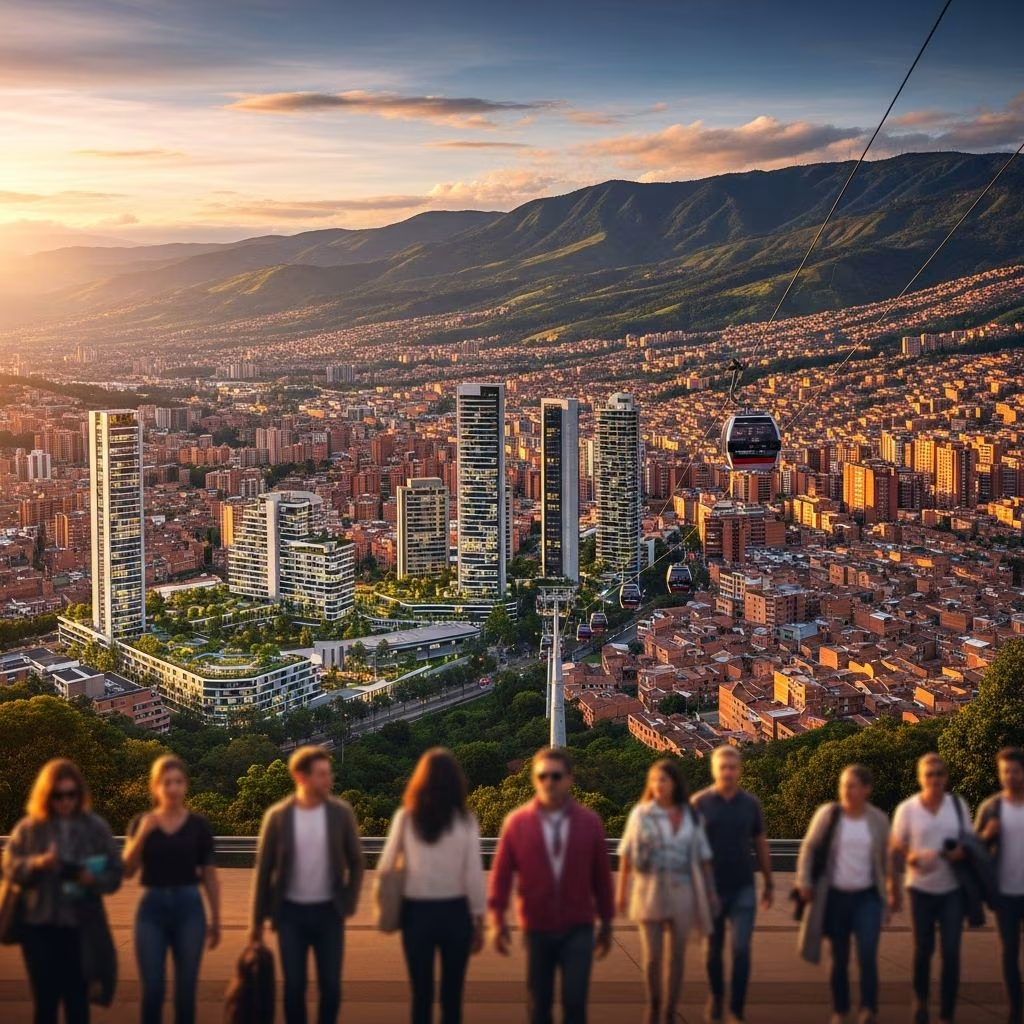
Medellín, nestled in a lush valley surrounded by the Andes, has evolved from a city once synonymous with challenges into a beacon of innovation, culture, and natural beauty. Known as the City of Eternal Spring, it boasts consistent temperatures in the high 20s°C year-round, with minimal seasonal variation, making it an ideal destination anytime. In 2026, visitors can expect enhanced safety measures, expanded eco-tourism options, and a thriving digital nomad scene that blends urban excitement with outdoor escapes.
Medellín’s nickname isn’t hype—its elevation of about 1,500 meters ensures mild days averaging 24-28°C and cool evenings around 18°C, with sunshine dominating even during rainy months from April to November. This stability means no packing for extremes; light layers suffice for hikes, city strolls, or rooftop parties. Unlike coastal humidity or highland chills elsewhere in Colombia, Medellín offers reliable comfort, drawing over 1 million tourists annually who rave about the perpetual spring vibe.
Bursts of afternoon rain are short-lived, often enhancing the city’s vivid greenery. February, July, and December see the least precipitation, perfect for outdoor festivals like the Feria de las Flores in August, where floral parades transform streets into living artworks. This climate supports nearby cloud forests, coffee plantations, and paragliding valleys—all within 30 minutes of downtown.
Medellín’s barrios offer diverse vibes. El Poblado, the upscale heart, pulses with rooftop bars, farm-to-table eateries, and boutique shops. Wander its hilly streets, sharing bandeja paisa platters and micheladas across spots to sample widely. Provenza’s tree-lined Parque Lleras ignites at night with salsa clubs and craft breweries.
Downtown (El Centro) contrasts with its raw energy. Start at Parque Berrío metro station for free walking tours (tip $10 USD) covering history and architecture. Explore El Hueco’s bustling discount market—keep cash small and valuables secure—then Plaza Botero’s 23 oversized sculptures by Fernando Botero. Nearby, Museo de Antioquia (25,000 COP entry) displays Colombian masters.
Once a symbol of conflict, Comuna 13 now thrives as a graffiti mecca. Guided tours (80,000-120,000 COP, $20-30) reveal transformation stories from locals who lived it, including hip-hop shows and empanada tastings. Ride the iconic escalators—Latin America’s longest outdoor series—offering valley panoramas. Tours run 3-4 hours from El Poblado, emphasizing resilience through massive murals depicting peace and pride.
Local guides, often residents, share firsthand tales of change, making visits profound rather than voyeuristic.
Medellín’s metro system, including cable cars (Metrocable), redefines urban mobility. From San Antonio station, Line K ascends to Santo Domingo, soaring over comunas clinging to mountainsides. Continue to Parque Arví via Line L for 4,500 hectares of cloud forest trails, bike paths, and picnics—entry free, reachable in under an hour from downtown.
| Route | Duration | Highlights | Cost (COP) |
|---|---|---|---|
| El Poblado to Comuna 13 | 45 min | Metro + escalators + graffiti | 3,000 one-way |
| Downtown to Parque Arví | 30 min | Cable car + nature reserve | 12,500 round-trip |
| Universidad to Botanical Garden | 5 min | Metro + free gardens | 3,000 |
These lines symbolize social integration, connecting hillsides once isolated.
Across from Universidad metro, the 340-acre Botanical Gardens feature orchid displays, butterfly enclosures, cacti zones, and lagoon paths teeming with iguanas—free entry, ideal for picnics. Nearby, Cerro Nutibara rises abruptly with Pueblito Paisa, a quaint village replica offering 360° views, artisan crafts, and sancocho soup at sunset. Hike Cerro de las Tres Cruces for steeper trails rewarding panoramic vistas (taxi to base, 20-30 min steep climb).
Two hours by bus from Terminal del Norte (every 30 min), Guatapé dazzles with El Peñol’s 740-step monolith overlooking a reservoir dotted with colorful zócalos houses. Tours include transport and lunch for ease. Closer, coffee farm tours in Barrio La Sierra via Metrocable involve 250 stairs to learn bean-to-cup processes amid welcoming communities.
Medellín’s food scene shines with paisa staples: hearty bandeja paisa (beans, rice, meats, plantains), arepas, and fresh juices. El Poblado boasts global fusion; downtown offers street eats. Coffee culture thrives—tour farms or sip at origin bars. Nightlife spans salsa in Envigado to electronic sets in Poblado rooftops.
Safer than ever, avoid flashing wealth and nighttime solos in non-touristy spots. Fly into José María Córdova (Rionegro), 45 min taxi to city (50,000 COP). Stay in El Poblado (Airbnbs $30-80/night). Budget: $50-100/day including food/transport.
Yes, tourist areas like El Poblado and guided tours in Comuna 13 are very safe with common-sense precautions.
Anytime, but December-February for dry weather; August for Feria de las Flores.
Metro/cable cars (3,000 COP), rideshares (InDriver/Uber), taxis. Walk El Poblado.
Most nationalities get 90 days visa-free; check updates.
Absolutely—fast WiFi, co-working spaces, monthly rents $500-800.
