

 Travel Essentials
 Travel Essentials

Medellín tops rankings as the best city worldwide for green spaces, with 92% of locals praising access to nature. Explore parks, sustainability efforts, and eco-initiatives.
 Travel Essentials
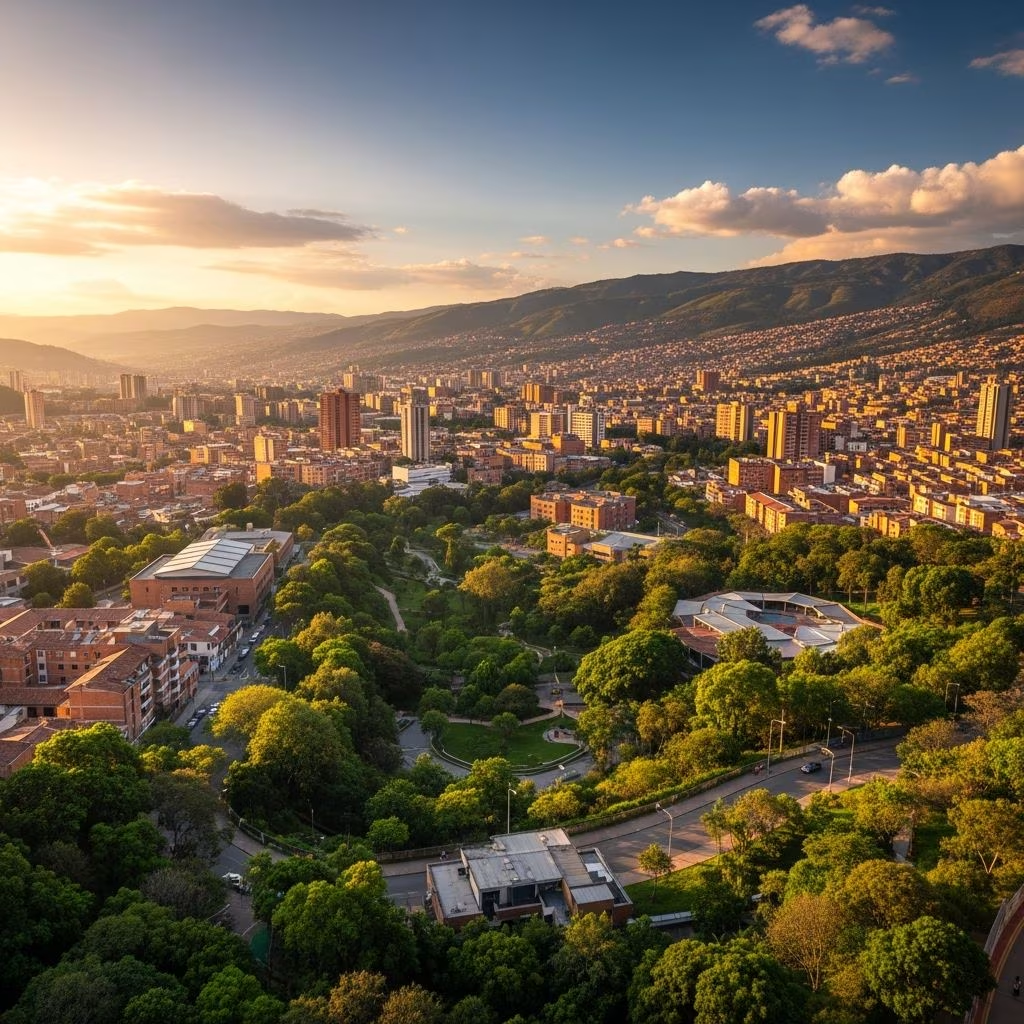
Medellín, Colombia’s dynamic second-largest city, has earned international acclaim as the premier destination for green spaces and natural environments. Recent surveys reveal that 92% of residents rate their city’s access to nature as ‘good’ or ‘amazing,’ outshining cities across the US, Europe, and beyond. This recognition stems from decades of deliberate urban transformation, turning a once-challenging landscape into a verdant paradise embedded within a bustling metropolis.
The city’s journey toward becoming a green haven began with visionary projects in the early 2000s. Initiatives like electrified public transit systems have slashed greenhouse gas emissions, while expansive public parks and corridors now dot the urban fabric. These efforts have not only beautified Medellín but also improved air quality, with urban vegetation absorbing approximately 11,000 tons of carbon dioxide annually.
Local approval ratings underscore this success: an impressive 86-92% of residents celebrate the abundance and quality of green areas, far surpassing many global peers. This high satisfaction reflects accessible nature integration—parks within walking distance for most citizens—fostering community health and well-being.
Medellín’s eco-friendly policies form a multifaceted approach to environmental stewardship. Here’s a breakdown of pivotal measures:
These strategies align with broader goals, positioning Medellín as one of the tropics’ most progressive cities for sustainability.
Medellín boasts diverse parks showcasing over 230 plant species, 150 tree varieties, and 80 garden types. In 2014, the urban area hosted 400,000 trees—a number experts believe has likely doubled. Visitors and locals alike flock to these oases for relaxation, culture, and biodiversity.
| Park Name | Highlights | Location Highlights |
|---|---|---|
| Jardín Botánico de Medellín | Butterfly house, historical plants, expansive gardens | Cl. 73 #51d-14, Aranjuez |
| Parque Arví | Nature reserve, hiking trails, eco-education | Vía a Piedras Blancas |
| Parque de los Deseos | Modern design, cultural events, interactive art | Central urban zone |
| Parques del Río | Riverside paths, sports facilities, green corridors | Along the Medellín River |
| Biblioparques | Library-parks in neighborhoods, community hubs | Various barrios |
These sites exemplify how green spaces serve multiple purposes: recreation, education, and ecological preservation.
Medellín’s arborization efforts are monumental. The urban tree count supports not just aesthetics but critical environmental functions. Engineering analyses indicate that this greenery sequesters 11,000 tons of CO2 yearly and filters 115 tons of other pollutants. Ongoing budgets fund further planting, ensuring resilience against climate challenges in the tropical setting.
Green corridors link these pockets, creating a metropolitan ‘green belt’ that enhances biodiversity and urban cooling. This network mitigates the heat island effect common in dense cities, providing natural shade and humidity control.
Time Out’s comprehensive survey of 18,500 residents across dozens of cities crowned Medellín number one for green space quality. It outperformed runners-up like Boston (second) and Sydney (third), with South American counterpart São Paulo also cracking the top 20 at 76% approval. Even UK standout Bath, at 94%, couldn’t top Medellín’s consistent excellence.
This accolade builds on prior honors, such as 2014 recognitions for innovation and sustainability, highlighting enduring commitment.
Beyond parks, Medellín invests in Unidades de Vida Articulada (UVAs)—community centers blending housing, education, and green areas. Waste management programs complement these, recycling organics into compost for urban forests.
The city’s high sustainability budget fuels projects like park modernizations, focusing on recreation, culture, and native flora. Bicycle paths continue expanding, intertwining with pedestrian-friendly designs to prioritize human-powered movement.
For travelers, Medellín offers an unparalleled blend of urban energy and natural escape. Hike in Parque Arví’s reserves, pedal through ciclorrutas, or unwind by the Río Medellín’s transformed banks. These spaces host festivals, yoga sessions, and markets, immersing visitors in local life.
Health benefits abound: studies link such access to reduced stress, better mental health, and active lifestyles. In a post-pandemic world, Medellín’s open-air venues shine as safe, rejuvenating retreats.
Despite triumphs, hurdles remain. Rapid urbanization pressures green areas, while climate variability tests resilience. City planners counter with adaptive strategies: drought-resistant species, smart irrigation, and community stewardship programs.
Public-private partnerships amplify impact, drawing global expertise to refine models. Medellín’s story inspires cities worldwide, proving transformation is possible through policy, investment, and participation.
High resident satisfaction (92%), vast parks, tree coverage, and innovative eco-policies set it apart globally.
Registered at 400,000 in 2014, likely doubled now, aiding massive pollution control.
Most are free, with some reserves like Parque Arví offering low-fee access for maintenance.
Bike paths, metro, or guided eco-tours provide efficient, low-impact navigation.
Green areas are well-patrolled and popular; stick to daylight hours and popular trails.
Whether seeking tranquility or adventure, Medellín’s greenery delivers. From botanical marvels to riverside respites, it redefines urban living. Book your trip to experience the world’s top green city firsthand.
