

Food & Culture Stays Travel Essentials Travel Guides Trip Ideas
Categories
From the Blog
Remy’s Ratatouille Adventure at EPCOT: Ride Review, Tips & 2D Update
Travel Essentials

Mexican Folk Art Guide: History, Regions, and Where to Buy

Explore Mexican folk art, from Oaxaca alebrijes to Puebla Talavera, with tips for spotting authentic pieces and buying ethically.
Travel Essentials

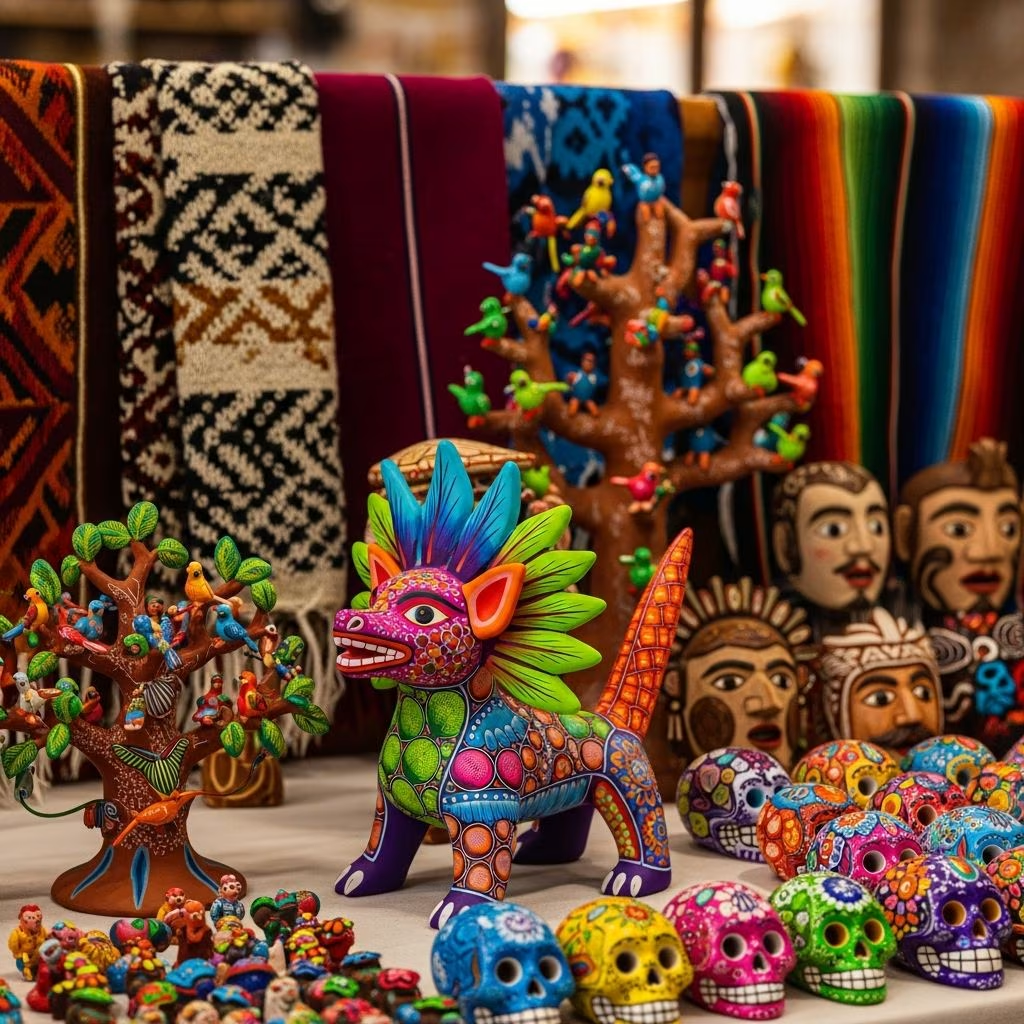
Mexican folk art represents a living tapestry of cultural heritage, blending indigenous techniques with colonial influences to create objects that serve both practical and ceremonial purposes. These handcrafted items, ranging from vibrant pottery to intricately woven textiles, embody generations of skill passed down in family workshops across the country.

The Roots and Evolution of Mexican Crafts

Rooted in pre-Hispanic traditions and enriched by Spanish colonial elements, Mexican folk art flourished particularly after the 1910 Mexican Revolution, during a period of cultural nationalism from 1920 to 1980. This era produced pieces prized for their authentic patina, natural materials, and hand-made marks, distinguishing them from modern mass-produced replicas.

Artisans draw from local resources like clay, wood, natural dyes, and fibers, reflecting Mexico’s diverse landscapes. Rural villages remain key production centers, where craftspeople—known as artesanos—create everything from everyday utensils to elaborate decorative sculptures.

Iconic Types of Mexican Folk Art

Mexican folk art encompasses a wide array of forms, each with unique characteristics tied to its region of origin. Here’s a breakdown of some standout categories:

  • Clay Sculptures and Pottery: Hand-formed figurines, animals, bowls, and masks dominate, especially Oaxaca’s glossy black pottery and vivid alebrijes—fantastical creatures symbolizing imagination and folklore.
  • Woodcarvings: Oaxaca excels in colorful copal wood carvings, including alebrijes painted with intricate patterns using natural pigments.
  • Textiles and Rugs: Woven from local wool with geometric designs and bold colors, Oaxaca rugs feature motifs inspired by nature and mythology.
  • Talavera Ceramics: Puebla’s signature blue-and-white glazed pottery, influenced by Spanish majolica but adapted with local flair, adorns tiles, plates, and vessels.
  • Glasswork and Tin Art: Blown glass ornaments and hand-painted tin pieces shaped as hearts, animals, or religious icons offer wearable and decorative charm.
  • Masks and Milagros: Guerrero’s vibrant ceremonial masks and small metal votive offerings (milagros) represent devotion and storytelling traditions.

Regional Masterpieces: A Map of Craft Specialties

Mexico’s 31 states each contribute distinct styles, shaped by available materials and cultural histories. The table below highlights key regions and their signature crafts:

RegionSpecialty CraftsKey Characteristics
OaxacaAlebrijes, black pottery, textilesBright colors, natural dyes, fantastical motifs
PueblaTalavera potteryGlazed ceramics in blue/white with floral patterns
MichoacánLacquered boxes, potteryIntricate inlays, glossy finishes
GuerreroMasks, amate bark paintingsVibrant hues, ritualistic designs
JaliscoGlassware, woven goodsBlown glass figures, sturdy textiles

These regional variations ensure no two pieces are identical, as each artisan infuses personal creativity into time-honored methods.

Prime Locations for Authentic Purchases

Finding genuine folk art requires seeking out trusted venues that prioritize artisan support over tourist traps. Museums and government outlets offer curated selections at fair prices.

  • Museo de Arte Popular (Mexico City): The ground-floor shop stocks high-quality items from nationwide artisans, ideal for diverse browsing.
  • Fonart Stores: Government-run outlets like those on Avenida Juárez 89 and Paseo de la Reforma 116 feature premium crafts, with proceeds aiding communities.
  • Rural Artisan Villages: Towns like Oaxaca City or San Bartolo Coyotepec provide direct access to makers, immersing buyers in the creative process.
  • Specialty Shops: Places like Mexicarte in Akumal curate Indigenous works, turning shopping into a cultural narrative.

For online hunters, reputable galleries and auction sites specialize in vintage pieces, but always verify seller credentials.

Spotting Genuine Pieces: Buyer’s Checklist

Authenticity separates heirloom-quality art from souvenirs. Vintage folk art from 1920-1980 shows hand production through uneven edges, natural wear, and original materials—unlike glossy reproductions.

  1. Inspect for hand-made signs: irregular glazing, tool marks, or fabric weaves.
  2. Research regional traits: Match styles to origins like Oaxaca’s black clay or Puebla’s Talavera shine.
  3. Seek provenance: Reputable dealers provide histories or artisan details.
  4. Prioritize patina: Gentle aging enhances value in true vintage items.
  5. Examine photos closely: Request multiple angles, including undersides.

Avoid mass-market stalls favoring certified shops or direct artisan sales for peace of mind.

Ethical Shopping: Supporting Artisans Sustainably

True appreciation means fair practices. Opt for fair-trade groups or labels like “Hecho a Mano” to ensure artisans receive just compensation, preserving traditions amid globalization.

Direct purchases in villages empower families, while Fonart channels funds to remote workshops. Consider the impact: Your buy sustains livelihoods and cultural continuity.

Practical Tips for Bringing Art Home

Shipping fragile ceramics or sculptures demands care. Choose sellers with robust packaging and international policies. For personal carry, wrap textiles securely and declare items at customs to avoid issues.

Budget wisely: Museum prices may exceed markets but guarantee quality. Seasonal sales or bundles cut costs without compromising ethics.

Styling Folk Art in Modern Spaces

These pieces transcend souvenirs, adding soul to interiors. Cluster alebrijes on shelves for whimsy, hang Talavera tiles as backsplashes, or drape Oaxaca rugs for texture. Seasonal displays—like Day of the Dead skeletons—infuse holidays with authenticity.

Collectors value imperfection: A chipped edge tells a story, blending rustic charm with contemporary design.

Frequently Asked Questions (FAQs)

What is the best time to shop for Mexican folk art?

Festivals like Guelaguetza in Oaxaca (July) showcase peak artisan work, with markets brimming fresh pieces.

How can I tell if a piece is vintage?

Look for 1920-1980 era markers: authentic materials, wear patterns, and no machine uniformity.

Are there shipping restrictions for folk art?

Ceramics and wood are generally fine; check CITES for items with exotic materials. Use insured carriers.

Which region should beginners start with?

Oaxaca offers accessible variety: pottery, carvings, and textiles in one vibrant hub.

Is bargaining common?

Yes in open markets, but fixed prices prevail in museums and Fonart for transparency.

Building Your Collection Wisely

Start small: A single black pottery vessel or painted tin heart opens doors to deeper exploration. Document acquisitions with photos and stories to trace your journey through Mexico’s artistic legacy. Relationships with dealers yield insider finds, turning collecting into a lifelong passion.

Whether adorning your home or gifting, each piece carries narratives of resilience, creativity, and community—Mexico’s enduring gifts to the world.

References

  1. Mexico Take-Homes: Mexican Folk Art and Handicrafts — Granturismo Travels. N/A. https://grantourismotravels.com/mexico-take-homes-mexican-folk-art-and-handicrafts/
  2. A Beginner’s Guide to Shopping for Handmade Art in Mexico — Akumal MX. N/A. https://www.akumalmx.com/culture-and-traditions/a-beginners-guide-to-shopping-for-handmade-art-in-mexico-what-to-know-before-you-browse/
  3. Vintage Mexican Folk Art Guide — LaBoostudio. N/A. https://laboostudio.com/en-es/blogs/news/vintage-mexican-folk-art-guide
  4. Vintage Mexican Folk Art: Guide to Styles, History & Tips — LaBoostudio. N/A. https://laboostudio.com/blogs/news/vintage-mexican-folk-art
  5. A Masterful Guide to Mexican Folk Art — Arts of Architecture. N/A. https://www.artsofarchitecture.com/blogs/aeureka/a-masterful-guide-to-mexican-folk-art
  6. Buying Handicrafts in Mexico — Mexperience. N/A. https://mexperience.com/buying-handicrafts-in-mexico/
  7. Mexican Folk Art Teaching Kit — Phoebe A. Hearst Museum of Anthropology (University of California, Berkeley). N/A. https://hearstmuseum.berkeley.edu/wp-content/uploads/TeachingKit_MexicanFolkArt.pdf
SN
Sneha Tete
Sneha is a relationships and lifestyle…

Sneha is a relationships and lifestyle writer with a strong foundation in applied linguistics and certified training in relationship coaching. She brings over five years of writing experience to CultureTreker,  crafting thoughtful, research-driven content that empowers readers to build healthier relationships, boost emotional well-being, and embrace holistic living.Her writing and insights reflect the belief that beauty, happiness, and wellness begin from within, through the harmonious balance of the mind, body, and heart. With a background in instructional design and research writing, Sneha transforms complex topics into practical insights that are easy to understand and apply.Sneha has also self-published a novella on adolescent mental health, highlighting her ability to navigate emotionally layered topics with nuance and empathy. When she's not writing, you'll find her exploring storytelling through photography, diving into K-dramas, or enjoying quiet moments with her family and friends.

← Previous
RV Travel in 2026: Trends, Tips and Top Destinations
‹›
