

 Travel Essentials
 Travel Essentials

Comprehensive guide to visiting Mexico City on a budget, covering accommodation, food, transport, and free activities for maximum savings.
 Travel Essentials
Mexico City stands as one of Latin America’s most affordable major capitals, offering world-class cultural experiences, remarkable cuisine, and vibrant neighborhoods without requiring a substantial travel budget. Whether you’re a backpacker counting every peso or a mid-range traveler seeking value, the capital provides exceptional experiences across multiple price points. Understanding how to navigate the city’s transportation network, dining scene, and attractions allows visitors to allocate resources efficiently and spend more time experiencing authentic Mexican culture rather than worrying about costs.
Planning a budget-conscious trip to Mexico City requires realistic understanding of daily expenses across different spending categories. The city accommodates various traveler types with distinct financial frameworks.
Travelers operating on minimal budgets typically allocate approximately 1,050 Mexican pesos per day, which translates to roughly $40-50 USD. This framework includes dormitory accommodations in hostels, street food meals, public transportation passes, and access to several paid attractions. For those interested in additional dining experiences at restaurants or social drinking activities, adding 100-300 pesos daily provides flexibility without dramatically impacting overall costs.
Visitors comfortable with more spending typically budget around 1,900 pesos daily, enabling stays in budget hotels or Airbnb apartments, restaurant meals featuring traditional Mexican cuisine, expanded cultural programming attendance, and occasional taxi rides. This approach provides comfort without luxury while maintaining financial discipline.
A shared hostel room costs approximately 260 pesos ($12.65 USD), while Airbnb accommodations range from 440 to 530 pesos ($21.50-$26 USD). Museum entrance fees average 70 pesos ($3.50 USD), with many institutions offering free admission on Sundays.
Efficient movement through Mexico City represents a cornerstone of budget travel, as the city’s extensive public transportation system offers some of the world’s cheapest fares.
The Mexico City Metro stands among the planet’s most economical subway systems, with single rides costing only 5 pesos ($0.25 USD). This incredibly affordable transportation enables comprehensive city exploration without significant transportation expenses. The network operates efficiently despite frequent crowding during peak hours.
Travelers can purchase single paper tickets at station offices or invest in a Transit Card for 15 pesos ($0.75 USD), allowing top-ups at recharge machines throughout the system. This card works across multiple transportation modes, maximizing convenience and cost efficiency.
Metrobús services cost 6 pesos ($0.30 USD) per ride and accept the Transit Card for seamless payment. Microbuses, locally called peseros, operate as privately-run vehicles charging 2.50-4 pesos per journey. These alternatives provide flexibility for routes the Metro doesn’t serve while maintaining minimal expense.
Where you sleep significantly impacts overall trip expenses, with Mexico City offering diverse housing options across various neighborhoods and price ranges.
Shared dormitory rooms represent the most economical overnight option at 260 pesos, placing hostel stays within reach of most budget-conscious travelers. Beyond cost savings, hostels facilitate social connections with fellow travelers and often organize group activities or walking tours.
Private rooms through Airbnb range from 440 to 530 pesos, offering solitude at minimal additional expense compared to hostels. Budget hotels in working-class neighborhoods provide comparable rates while delivering private bathroom facilities and independent living spaces.
Location significantly influences both price and experience. Centro Histórico and touristy areas command premium rates, while neighborhoods like La Roma, Coyoacán, and Doctores offer better value with authentic local atmospheres.
Mexico City’s food scene represents one of travel’s greatest joys, and budget constraints needn’t prevent you from experiencing exceptional cuisine.
Tacos from street vendors cost 15-20 pesos ($0.85-$1.10 USD) each, delivering authentic culinary experiences at minimal expense. Market-based comedor meals—traditional lunch establishments—range from 80-120 pesos ($4.50-$6.50 USD), providing substantial, freshly-prepared dishes reflecting genuine Mexican cooking traditions.
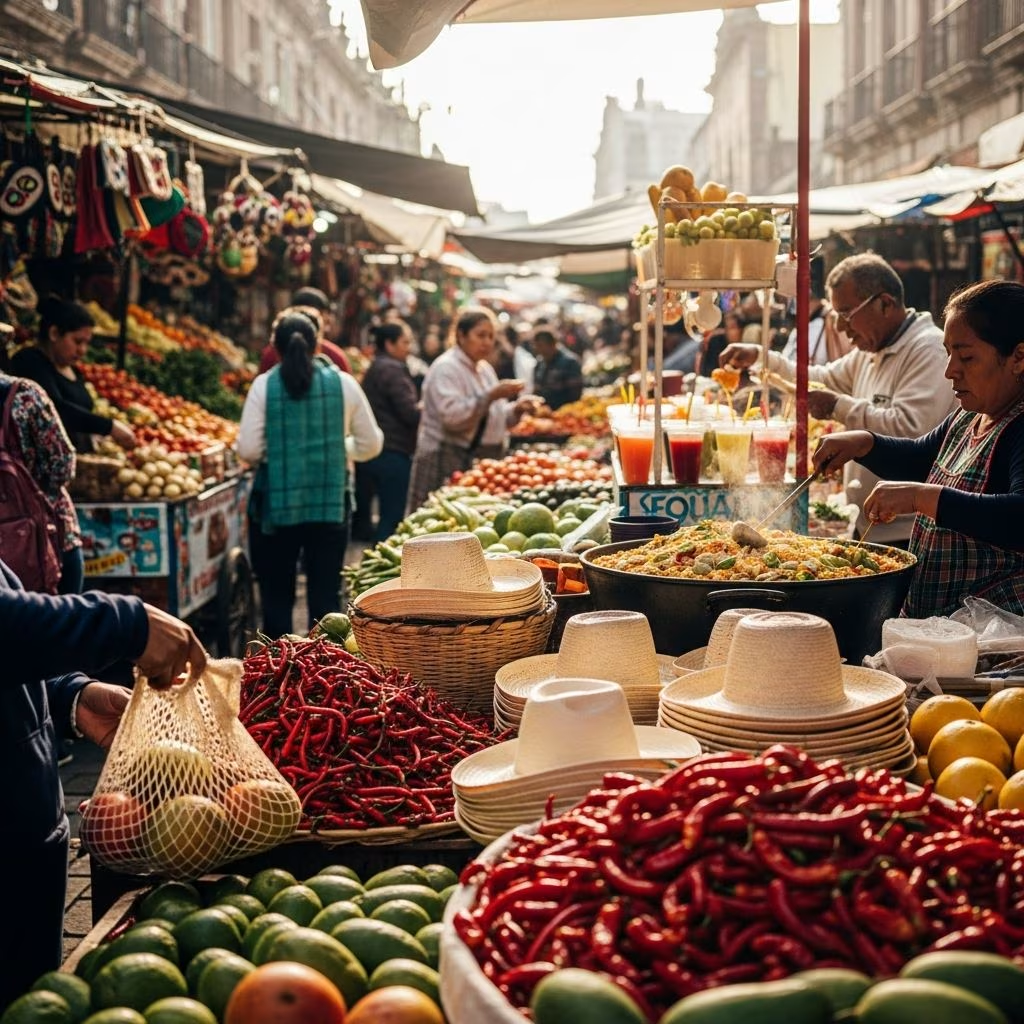
Public markets throughout the city contain food stalls and small restaurants serving locals rather than tourists. Breakfast items like tamales cost around 3 dollars USD, while mid-day meals at market comedores provide satisfying portions for comparable prices. Three daily meals can be achieved for $12-18 USD, eliminating dining as a significant budget constraint.
Coffee prices range from 35-60 pesos ($2-$3.30 USD), while breakfast or lunch at cafés costs 100-200 pesos per person ($5.50-$11 USD). These casual dining experiences offer better value than formal restaurants while providing comfortable environments for digital work or observation of local life.
Mexico City’s remarkable cultural heritage means exceptional experiences exist without significant financial investment.
The Zócalo, one of the world’s largest plazas, remains completely free for exploration. The National Palace’s Diego Rivera murals depicting Mexico’s history from Aztec times through the Revolution can be viewed without charge, though arriving early avoids substantial crowds. The Secretaría de Educación Pública similarly displays Rivera’s iconic works accessible to visitors at no cost.
Many museums offer free admission on Sundays, with regular entry fees around 70 pesos ($3.50 USD). The City Museum (Museo de la Ciudad de México) provides free admission on Tuesdays, displaying archaeological pieces and temporary art exhibitions documenting Mexico City’s transformation from Aztec capital to modern metropolis. The Museo Casa Estudio Diego Rivera, former residence of Rivera and Frida Kahlo, charges only approximately one dollar USD on days other than Sundays when entry is free.
Free performances occur on the Zócalo regularly, while Plaza Garibaldi features live mariachi music performances adding vibrancy to evening explorations. Neighborhood explorations in La Roma and historic center areas reveal street art, murals, and architectural details without admission charges.
Mexico City’s markets offer opportunities for budget-conscious souvenir shopping without overpaying for tourist-focused items.
Mercado de Artesanías la Ciudadela ranks among the city’s most popular and economical markets, offering handicrafts, artisan accessories, and cultural items at negotiable prices. Public markets and tianguis (flea markets) throughout the city provide bargains on secondhand clothing, kitsch decorations, and traditional crafts.
Mercado Medellín in Roma Sur caters to upscale shoppers with correspondingly higher prices, while working-class neighborhood markets maintain genuinely affordable pricing reflecting local demographics rather than tourist expectations.
| Expense Category | Item Description | Estimated Cost (USD) |
|---|---|---|
| Accommodation | Hostel shared room | $12.65 |
| Breakfast | Tamales from street vendor | $3.00 |
| Transportation | Metro to Zócalo | $0.30 |
| Attraction | Templo Mayor admission | $5.00 |
| Meals | Free palace murals + market lunch | $5.00 |
| Snacks | Street food afternoon snacks | $3.00 |
| Dinner | Taco dinner | $4.50 |
| Daily Total | $33.45 | |
Mexico City’s climate remains relatively consistent year-round, though tourist seasons affect accommodation pricing. Rainy season occurs May through September, while dry season spans November through April. Peak tourist seasons typically raise accommodation costs, while shoulder seasons offer better values without compromising weather conditions. Avoiding Christmas, Easter, and summer holidays provides access to more competitive pricing across all accommodation categories.
Yes, absolutely. Budget travelers routinely experience Mexico City on $40-50 USD daily, including hostel accommodation, street food meals, Metro transportation, and paid attractions. Strategic choices about accommodation location, dining venues, and attraction timing make this feasible while maintaining quality experiences.
The Metro system costs only 5 pesos ($0.25 USD) per ride, making it the city’s cheapest transportation option. Microbuses (peseros) offer comparable pricing at 2.50-4 pesos per journey.
Museum entry typically costs 70 pesos ($3.50 USD), while many museums offer completely free admission on specific days—particularly Sundays. Numerous cultural attractions, including Diego Rivera’s murals at the National Palace, require no entry fees.
Centro Histórico offers central location convenience, while La Roma, Coyoacán, and Doctores provide authentic neighborhood experiences with better prices. Hostels in these areas cost around 260 pesos for shared rooms, while Airbnbs range from 440-530 pesos for private accommodations.
Public markets and comedores serve authentic, inexpensive meals throughout the city. Neighborhoods with working-class populations rather than tourist concentrations maintain more competitive pricing on both street food and restaurant meals.
Mexico City rewards budget-conscious travelers with exceptional cultural experiences, world-class museums, remarkable cuisine, and vibrant neighborhoods accessible without substantial financial investment. Success requires strategic planning regarding accommodation selection, transportation choices, and attraction timing while maintaining flexibility for spontaneous discoveries. The city’s incredible value proposition—offering experiences comparable to destinations charging double or triple the costs—makes Mexico City an ideal destination for travelers prioritizing experiences over expenditures. By understanding daily budget frameworks, mastering public transportation, embracing street food culture, and capitalizing on free cultural attractions, visitors create memorable Mexican experiences while maintaining financial discipline.
