

 Travel Essentials
 Travel Essentials

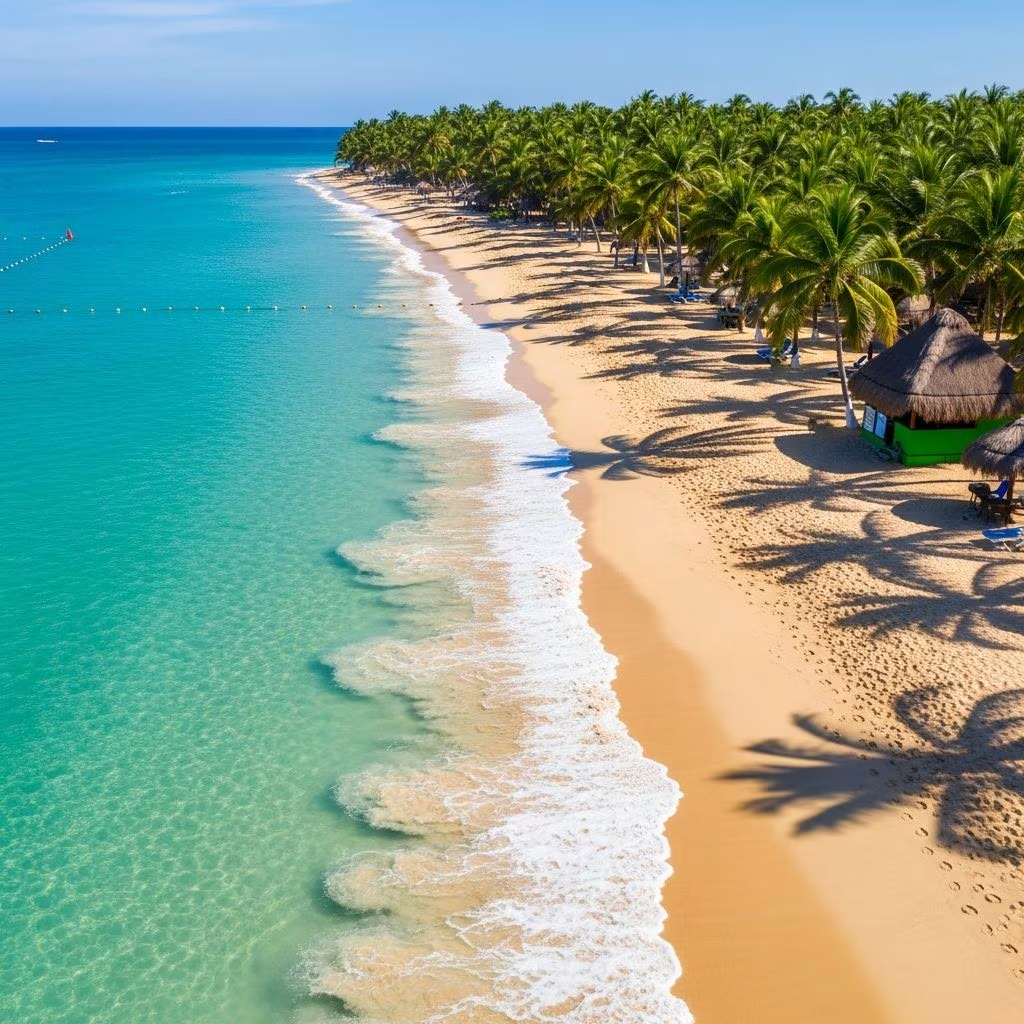
Mexico boasts the highest number of Blue Flag beaches in North America, with 78 certified sites emphasizing clean waters, environmental management, and visitor safety across popular destinations.
 Travel Essentials
Mexico stands out as the unrivaled leader in North America for Blue Flag certified beaches, a prestigious international award recognizing exceptional standards in water quality, environmental stewardship, safety, and educational outreach. These certifications highlight Mexico’s commitment to sustainable tourism, drawing millions of visitors to its pristine coastlines each year.
The Blue Flag program, managed by the Foundation for Environmental Education (FEE), sets rigorous global benchmarks for beaches, marinas, and sustainable boats. Established in 1985 in France, it now operates in over 44 countries, awarding sites that excel in four key areas: water quality, environmental education and information, environmental management, and safety and other services. Beaches must meet 33 strict criteria, including excellent bathing water standards monitored regularly, pollution control measures, and facilities like lifeguards, first aid, and accessible restrooms.
Certification is renewed annually, ensuring ongoing compliance. This dynamic process motivates coastal communities to maintain high standards, benefiting both ecosystems and tourists seeking clean, safe swimming spots.
From humble beginnings with just a handful of sites, Mexico has surged to 78 Blue Flag beaches, 40 sustainable tourism boats, and 2 marinas as of the 2024-2025 season, securing its position as the top in the Americas and 10th worldwide. This milestone, announced by Tourism Minister Miguel Torruco Marqués, reflects strategic investments in coastal preservation and tourism infrastructure.
Mexico’s Blue Flag beaches span its diverse coastlines, from the Pacific to the Caribbean, offering varied experiences for every traveler.
This vibrant region boasts at least 8 Blue Flag beaches, blending lush jungles with golden sands. Popular spots include Amapas, Camarones, Conchas Chinas I and II, Garza Blanca, Palmares, Playa de Oro, and Sheraton. These sites feature calm waters ideal for swimming, snorkeling, and family outings, backed by rigorous cleanliness and safety protocols.
Los Cabos shines with several Blue Flag gems like Playa Chileno, Santa María, Palmilla, Medano, and Las Viudas. Known for their crystal-clear waters and marine life, these beaches attract snorkelers and divers. Santa María, a national marine preserve, offers protected snorkeling amid coral reefs, while Chileno Bay provides family-friendly shallows and tide pools.
| Beach Name | Location | Key Features |
|---|---|---|
| Playa Chileno | Cabo San Lucas | Snorkeling, gentle surf, ample parking |
| Santa María | Cabo San Lucas | Horseshoe bay, coral reefs, palapas |
| Palmilla | San José del Cabo | Clear waters, scenic backdrop |
| Medano | Cabo San Lucas | Two-mile stretch, resort access |
| Las Viudas | Near Santa María | Secluded, dramatic waves |
The Caribbean coast dominates with beaches like Delfines, ChacMool, Las Perlas, and Playa Centro in Isla Mujeres. These iconic stretches offer powdery white sands and turquoise waters, monitored for top-tier hygiene and safety.
Oaxaca’s Chahué in Huatulco exemplifies eco-tourism with its biodiversity. Guerrero’s El Palmar and Icacos in Zihuatanejo and Acapulco provide serene escapes with high environmental standards.
Blue Flag status demands comprehensive water testing, waste management, and biodiversity protection. Beaches must provide environmental info via signage, promote recycling, and ensure lifeguard presence during peak hours. This holistic approach safeguards marine life, from coral reefs to sea turtles, while offering visitors peace of mind.
In Mexico, collaborations between federal agencies like the National Water Commission, tourism ministries, and NGOs like Pronatura have accelerated certifications, fostering community involvement in upkeep.
For tourists, Blue Flag beaches guarantee safe, clean environments free from hazards like jellyfish or poor water quality. Families appreciate accessible facilities, while eco-conscious travelers value the sustainability focus.
Locally, certifications boost economies by attracting high-end tourism. Regions like Puerto Vallarta see increased bookings at nearby resorts, job creation in eco-services, and pride in global recognition.
Maintaining certifications amid climate change, tourism booms, and pollution remains challenging. Mexico counters this with ongoing monitoring and education campaigns. Projections suggest further growth, potentially surpassing more European nations.
Visitors can contribute by following rules: no littering, using reef-safe sunscreen, and respecting wildlife.
It signifies a beach meets international standards for cleanliness, safety, environmental management, and education, renewed yearly.
As of 2024-2025, there are 78 beaches, plus boats and marinas, leading the Americas.
Quintana Roo tops the list, followed by Baja California Sur and Jalisco.
Most are public, but some resort-adjacent sites may have fees for amenities.
Check the official Blue Flag website’s site map for current seasons and locations.
Mexico’s Blue Flag beaches offer world-class experiences blending relaxation, adventure, and responsibility. Whether snorkeling in Los Cabos or lounging in Cancun, these sites promise unforgettable vacations. Book early for peak seasons and support sustainable practices to preserve these treasures for future generations.
