

 Travel Essentials
 Travel Essentials

A 1,025-kilometer coastal hike through northeastern Japan, with dramatic scenery, welcoming villages, and rich cultural immersion.
 Travel Essentials
Japan’s northeastern coast offers one of Asia’s most compelling long-distance hiking experiences. The Michinoku Coastal Trail stretches over 1,000 kilometers along the Pacific shoreline of the Tohoku region, weaving through dramatic seascapes, historic fishing villages, and pristine natural environments. This trail represents far more than a physical challenge; it embodies the resilience and cultural heritage of Japan’s northeastern communities, having been developed as part of regional recovery efforts following significant natural disasters.
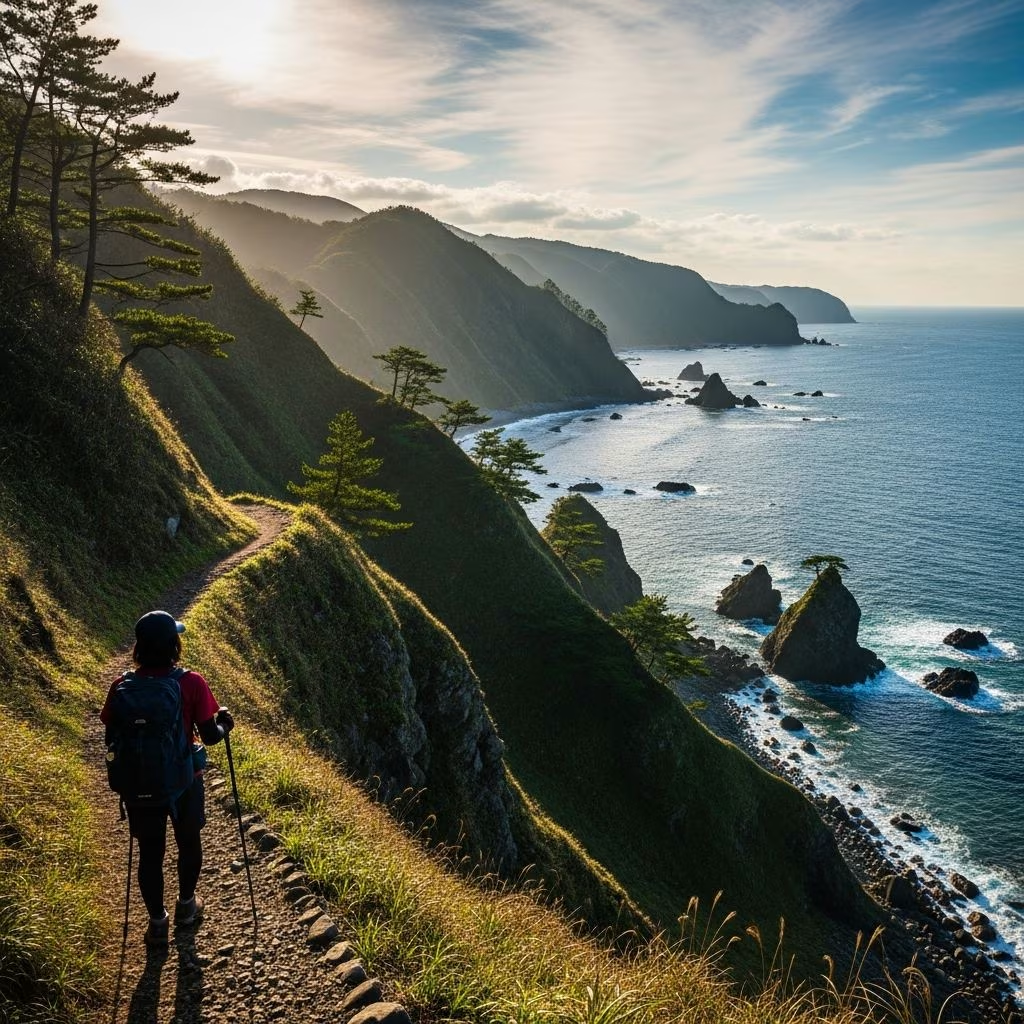
The Michinoku Coastal Trail extends from Hachinohe in Aomori Prefecture in the north to Soma in Fukushima Prefecture in the south, traversing four prefectures and showcasing the remarkable diversity of Japan’s Pacific coastline. The terrain transforms dramatically as hikers progress southward, beginning with open grassy meadows and rocky headlands before transitioning into towering sea cliffs that plunge directly into the ocean. The route encompasses approximately 1,025 kilometers and typically requires 50 to 60 days for complete thru-hiking, though most adventurers explore the trail in shorter segments.
The landscape composition varies significantly throughout different sections. The northern regions feature the distinctive Tanesashi Coast with its windswept grasslands and the extraordinary Kitayamazaki cliffs, which rise over 200 meters above the crashing waves. Central sections wind through quiet pine forests and intimate coastal towns, while southern stretches near Miyagi and Fukushima prefectures showcase gentler terrain characterized by wide bays and agricultural plains adjacent to the shoreline.
The Michinoku Coastal Trail accommodates hikers of varying experience levels, yet it demands respect and preparation. The overall difficulty classification ranges from moderate to strenuous, with considerable elevation changes throughout. A significant challenge stems from Japanese trail construction philosophy; builders favor steep staircases over gradual switchbacks, creating sections that test leg strength and endurance. These stone and wooden stairs, sometimes covered in moss and damp leaves, require careful footing and measured pacing.
The trail alternates between demanding uphill climbs and technical descents, with occasional climbs exceeding 400 meters that provide sweeping panoramic views. Certain sections incorporate hand-dug tunnels, natural beach passages, and even ladder sections, adding adventure and technical interest to the hiking experience. Despite these challenges, the trail remains well-maintained with natural soil and vegetation underfoot for most of its length, reducing joint strain compared to rocky or paved trails.
Timing your hike on the Michinoku Coastal Trail significantly impacts your experience. The spring months (April through May) and autumn season (September through October) provide ideal conditions with moderate temperatures and generally stable weather patterns. Summer hiking carries risks of intense heat and humidity, while winter months present challenging conditions with potential snow in northern sections and significantly reduced daylight hours. The coastal location means weather can change rapidly; hikers should prepare for sudden temperature fluctuations and occasional rain regardless of season.
A defining characteristic of the Michinoku Coastal Trail lies in its exceptional accommodation accessibility. Unlike many long-distance trails requiring self-supported camping, the MCT passes through numerous villages and towns offering diverse lodging options. Traditional Japanese ryokans (family-run inns) provide authentic cultural experiences with multi-course dinners featuring local seafood and breakfast included in rates. These establishments often overlook the ocean and offer access to natural hot springs, combining comfort with immersion in local traditions.
Hotels ranging from modest family operations to larger establishments accommodate hikers throughout the trail system. Many accommodations sit within easy reach of trailheads, facilitating logical daily routing. Campgrounds exist in certain sections for budget-conscious adventurers, and some hikers combine camping nights with occasional inn stays to balance cost and comfort. The consistency of available accommodations makes the trail accessible to those without extensive backpacking experience, eliminating concerns about finding shelter in remote areas.
The most significant practical challenge confronting Michinoku Coastal Trail hikers involves navigation. The route intersects frequently with public streets, country roads, and urban areas, requiring careful attention to route-finding. While certain trailheads feature clear signage, others display only small knee-high posts or colored ribbons tied to trees, making them easy to overlook. This inconsistency in marking, combined with the trail’s complexity near populated areas, demands careful planning and preparation.
Official Trail Gate map books, produced by the Michinoku Trail Club and available in English, prove invaluable for accurate navigation. These detailed resources provide distance measurements, elevation profiles, and cautionary notes about potentially confusing sections. Many hikers employ a combination of physical maps and GPS technology, downloading offline maps to their smartphones as backup navigation systems. Taking time to study route segments before departure significantly reduces the risk of becoming disoriented.
| Section | Distance | Duration | Difficulty | Highlights |
|---|---|---|---|---|
| Jodogahama Beach | 8 km (5 mi) | 2-3 hours | Easy | White limestone rocks, calm swimming coves, Miyako Bay |
| Kitayamazaki Cliffs | 10 km (6 mi) | 3-4 hours | Moderate | Panoramic lookouts, sea caves, coastal pine forests |
| Complete Trail | 1,025 km (636 mi) | 50-60 days | Moderate to Strenuous | Entire Sanriku coastline, diverse terrain, cultural immersion |
Day hikers benefit from easily accessible sections like the Jodogahama Beach area near Miyako, featuring limestone formations and suitable for families and photographers seeking relaxed walks. The dramatic Kitayamazaki cliffs section offers rewarding panoramic views and manageable distance for those with limited time. Multi-day explorers can string together adjacent sections, combining coastal scenery with cultural experiences in towns like Miyako, Kamaishi, and Kesennuma, where seafood markets, temples, and coastal cafés reveal authentic daily life along the shore.
The Michinoku Coastal Trail transcends typical hiking experiences by fostering genuine connections with local communities. The trail’s development as a post-disaster recovery initiative embedded regional pride and storytelling throughout the route. Hikers encounter local knowledge holders, hospitality providers, and community members whose welcomes reflect the trail’s purpose of supporting economic revitalization through tourism.
Fishing villages along the route maintain traditional practices visible in daily operations—boats returning with catches, market preparations, and family businesses serving regional specialties. This cultural accessibility distinguishes the trail from wilderness-focused hiking experiences; adventurers simultaneously pursue physical challenges while supporting local economies and learning regional history. Many accommodation providers share personal narratives connecting to the coastal lifestyle and regional recovery, creating meaningful exchanges between visitors and residents.
Successful Michinoku Coastal Trail adventures require thoughtful preparation beyond standard hiking considerations. The combination of frequent elevation changes and sustained coastal exposure demands sturdy, well-broken-in hiking boots with strong ankle support. Layered clothing accommodates rapid weather shifts common in coastal environments; waterproof outer layers prove essential regardless of season.
Navigation tools deserve prominent attention in packing strategies. Detailed trail maps, physical guidebooks, and offline GPS applications create redundant navigation systems preventing disorientation during confusing sections. Sun protection including high-SPF sunscreen, quality sunglasses, and a wide-brimmed hat address exposure risks intensified by coastal reflection. Trekking poles reduce knee strain during steep descents, particularly valuable for hikers covering extended daily distances.
The Michinoku Coastal Trail’s extensive length accommodates diverse approaches. Thru-hikers require approximately two months for complete traversal, demanding sustained fitness and extended time commitment. This approach appeals to adventurers seeking immersive experiences and personal challenge completion. Section hiking—exploring portions across multiple trips—suits those with limited vacation time or those preferring gradual landscape discovery.
Multi-day section hikes of 5 to 10 days provide satisfying adventure combinations of physical engagement and cultural discovery. Weekend warriors can access day hikes from accommodations, exploring specific highlights without overnight camping. This flexibility makes the trail democratically accessible; participants with varying schedules and fitness levels can find appropriate engagement levels.
Beyond stunning coastal scenery, the Michinoku Coastal Trail provides access to natural hot springs scattered throughout the region. Many ryokan and hotel accommodations feature on-site onsen (hot spring baths), allowing hikers to soak tired muscles while appreciating views over the Pacific. These thermal experiences represent integral components of Japanese wellness traditions, combining physical recovery with meditative relaxation. The thermal waters, rich in minerals, provide therapeutic benefits particularly appreciated after demanding hiking days.
Meals constitute a memorable aspect of Michinoku Coastal Trail adventures. Most accommodations provide hearty dinners emphasizing local seafood; hikers enjoy fresh catches prepared traditionally alongside seasonal vegetables and regional specialties. Breakfasts prepare adventurers for daily exertion with substantial portions. Small cafés and restaurants along the route offer convenient lunch stops featuring local favorites. This culinary accessibility eliminates concerns about meal preparation and allows hikers to focus on walking while supporting regional food businesses.
Approximately 150 volunteers from local municipalities maintain the Michinoku Coastal Trail, preserving its condition and accessibility. This community-driven maintenance reflects the trail’s role in regional identity and recovery. Hikers honor this stewardship through responsible practices: remaining on marked routes to prevent erosion, packing out all waste, and respecting private property adjacent to trail sections. This reciprocal relationship between visitors and communities maintains trail conditions while reinforcing the connection between outdoor recreation and environmental responsibility.
The trail suits hikers with solid physical fitness and multi-day trekking experience. While day hikes remain accessible to less experienced adventurers, full sections require sustained endurance and leg strength for steep elevation changes. Training beforehand, particularly stair climbing and hill work, significantly enhances experience quality.
Spring (April-May) and autumn (September-October) offer ideal conditions with moderate temperatures and stable weather. Summer brings heat and humidity challenges, while winter presents snow risks in northern sections and reduced daylight.
Costs vary significantly based on accommodation choices and hiking duration. Ryokan stays range from moderate to upscale pricing, while campgrounds offer budget options. Food costs depend on dining choices, from simple cafés to elaborate regional meals at premium inns.
While the trail welcomes various skill levels for sections, thru-hiking or extended multi-day adventures benefit from prior backpacking or long-distance hiking experience. The combination of elevation changes, remote sections, and navigation complexity rewards experience with confidence and efficiency.
The Michinoku Coastal Trail represents Japan’s commitment to blending natural beauty with cultural recovery and community connection. This 1,000-kilometer pathway offers far more than physical challenge; it provides immersion in northeastern Japan’s stunning coastlines, vibrant communities, and culinary traditions. Whether pursuing a complete thru-hike, exploring specific sections, or enjoying day walks, adventurers discover why this trail has become increasingly recognized as one of Asia’s premier long-distance hiking experiences. The combination of dramatic scenery, consistent accommodations, cultural accessibility, and meaningful community engagement creates a uniquely rewarding adventure that transcends typical hiking narratives.
