

 Travel Essentials
 Travel Essentials

Journey along Japan's 1,025km Michinoku Coastal Trail through Tohoku's dramatic coastlines, from rugged cliffs to serene beaches, born from post-tsunami recovery.
 Travel Essentials
The Michinoku Coastal Trail stands as one of Japan’s premier long-distance hiking routes, winding over 1,025 kilometers along the Pacific shoreline of Honshu’s northeastern Tohoku region. Spanning four prefectures—Aomori, Iwate, Miyagi, and Fukushima—this trail offers hikers a profound blend of natural splendor, cultural depth, and historical resilience. Established in the wake of the 2011 Great East Japan Earthquake and tsunami, it serves not only as a pathway for adventure but also as a symbol of recovery and renewal for coastal communities.
Conceived as part of the Sanriku Fukko National Park reconstruction efforts, the trail connects Hachinohe in Aomori Prefecture to Soma in Fukushima, hugging the dramatic Sanriku Coast. This ria coastline, characterized by its deeply indented bays and towering cliffs, was profoundly impacted by the disaster that claimed thousands of lives and reshaped the landscape. Today, the path honors those lost while boosting local economies through eco-tourism. Volunteers from over 150 municipalities maintain the route, ensuring its accessibility and safety.
Unlike more crowded trails like the Kumano Kodo or Nakasendo, the Michinoku Coastal Trail remains a hidden gem, attracting dedicated adventurers who seek solitude amid breathtaking scenery. Completing the full route demands 50 to 60 days of steady hiking, with a total elevation gain of approximately 38,640 meters, making it a strenuous endeavor best suited for experienced trekkers.
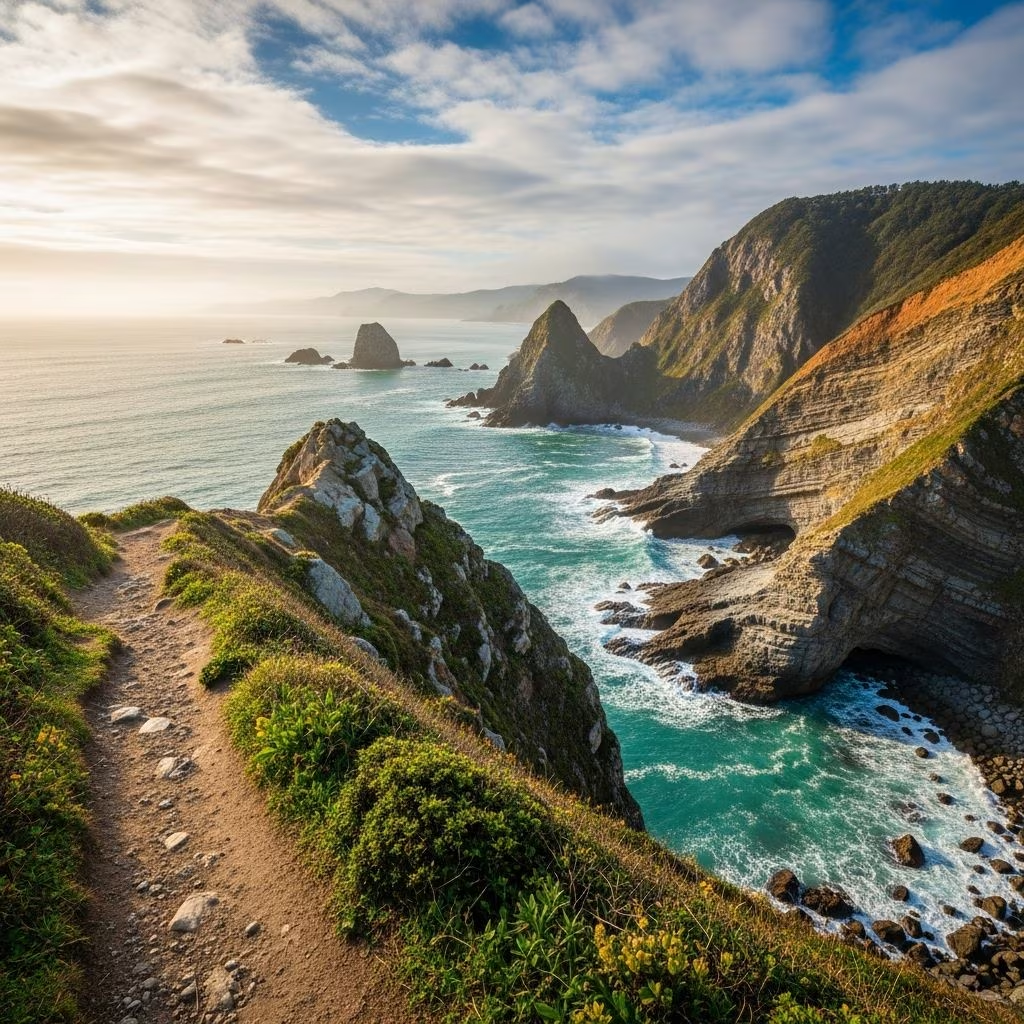
The trail’s allure lies in its ever-changing terrain, offering a mosaic of coastal features that showcase nature’s raw power and beauty. Hikers traverse sandy beaches, lush red pine forests, expansive grassy meadows, and sheer cliffs plunging into the ocean. In the northern stretches near Tanesashi Coast, open meadows give way to the imposing Kitayamazaki Cliffs, rising over 200 meters with panoramic ocean vistas.
Most elevations stay below 400 meters, but frequent steep ascents and descents—often on mossy stone stairs or log steps—add challenge. The trail’s proximity to the sea means constant companionship from crashing waves, salty breezes, and occasional wildlife sightings.
While thru-hiking the entire trail is a bucket-list feat (only about 130 people have done so to date), section hikes allow flexibility for various timeframes and fitness levels. Popular segments balance stunning views with manageable distances.
| Section | Distance | Duration | Highlights |
|---|---|---|---|
| Northern: Hachinohe to Miyako | ~150km | 7-10 days | Grassy headlands, Kitayamazaki views, onsens |
| Central: Miyako to Kesennuma | ~200km | 10-14 days | Pine forests, seaside towns, fresh seafood |
| Southern: Kesennuma to Soma | ~300km | 14-20 days | Bays, rural communities, tsunami memorials |
Self-guided tours, like those from Hachinohe to Kesennuma (about 7 days, 12km daily with 150m elevation), provide oceanside inns and fisherman-style meals. Winter hikes from north to south minimize crowds and offer stark, epic vistas.
Accessing the trail is straightforward via Japan’s efficient rail network. Start at Hachinohe Station (Tohoku Shinkansen from Tokyo, ~3 hours) or Soma (accessible from Fukushima). Local buses and trains link trailheads, with many towns offering hiker passports for stamps at shrines and inns—a fun motivator.
Accommodations range from traditional ryokans with sea views to minshuku (family-run guesthouses) serving bountiful seafood kaiseki dinners. Booking ahead is essential, especially in peak seasons (spring cherry blossoms, autumn foliage). Daily distances average 20-25km, with resupply points in villages stocked with onigiri, sashimi, and regional sake.
Beyond scenery, the trail immerses hikers in Tohoku’s warm hospitality. Fishing villages like Kesennuma, a major port, invite interactions with locals sharing tsunami survival stories over fresh uni (sea urchin) or grilled squid. Shrines such as Kabushima, home to black-tailed gulls, blend spirituality with nature.
Food highlights include Sanriku oysters, abalone, and kaisendon (seafood rice bowls). Onsens (hot springs) provide post-hike recovery, with many ryokans featuring private baths overlooking the Pacific. The trail fosters connections, turning strangers into friends through shared meals and omiyage (souvenir) exchanges.
Rated challenging to strenuous (6-7/10), the trail suits fit hikers with multi-day experience. Expect variable weather—typhoon season (Aug-Oct) brings rain; winter snow requires microspikes.
Packing List:
Safety tips: Check tide times for beach sections, inform inns of your itinerary, and respect ‘no-entry’ zones near recovery sites. Emergency beacons advised for remote areas.
Spring (April-May) bursts with wildflowers and mild temps; summer offers long days but humidity; autumn (Oct-Nov) delivers golden foliage and clear skies; winter provides solitude and frozen seascapes, ideal north-to-south. Avoid mid-summer heat and typhoons.
Not solely for walkers—cyclists, kayakers, and SUP enthusiasts explore segments. Guided tours handle logistics, while families opt for day hikes. Multi-season section hikes build a personal narrative over years.
No, its steep terrain and length demand experience. Beginners should start with guided day hikes.
50-60 days at 20km/day, accounting for rest and weather.
Yes, designated sites; many prefer inns for comfort and meals.
North to south for winter (wind at back); south to north ends at scenic Kabushima Shrine.
Yes, with proper gear; fewer crowds, dramatic views.
This trail transcends physical challenge, weaving personal growth with communal healing. Each step reveals Tohoku’s unbreakable spirit, from wave-battered cliffs to thriving ports. Whether conquering the full length or savoring sections, it promises transformation amid unparalleled beauty.
