

 Travel Essentials
 Travel Essentials

Complete guide to Milan covering top attractions, neighborhoods, dining, shopping, and practical travel tips for an unforgettable Italian experience.
 Travel Essentials
Milan stands as one of Europe’s most sophisticated and dynamic cities, blending centuries of artistic heritage with contemporary style and innovation. Located in northern Italy’s Lombardy region, this metropolitan hub attracts millions of visitors annually, drawn by its world-class museums, architectural marvels, high-end fashion scene, and culinary excellence. Whether you’re planning a weekend escape or an extended cultural immersion, Milan offers an extraordinary array of experiences that cater to diverse interests and travel styles.
Milan’s geography centers around several distinct neighborhoods, each offering unique character and attractions. The Centro Storico (historic center) functions as the city’s cultural epicenter, where most major monuments and attractions cluster together in walkable proximity. This area pulsates with energy and historical significance, making it an ideal starting point for first-time visitors.
The Navigli district presents an entirely different ambiance, characterized by picturesque canals lined with charming cafes, independent bookshops, vintage boutiques, and waterfront restaurants. This neighborhood captures a more relaxed, bohemian spirit compared to the bustling city center, making it perfect for evening strolls and leisurely dining experiences.
Brera enchants visitors with its artistic soul, featuring tree-lined streets, Renaissance architecture, and galleries tucked into historic buildings. This quarter maintains a peaceful, intellectual atmosphere while hosting the prestigious Pinacoteca di Brera art museum.
Milan’s Chinatown, though smaller than similar districts in other global cities, offers authentic culinary experiences and cultural exploration opportunities for those seeking diverse dining options.
Milan’s public transportation network operates efficiently through an integrated system combining metros, trams, and buses. The metro system comprises four color-coded lines connecting major attractions and neighborhoods. Trams offer scenic routes through different districts while maintaining reasonable fares. Purchasing a multi-day transportation pass proves economical for tourists planning extensive sightseeing.
Walking remains an excellent way to experience Milan’s neighborhoods intimately. Many central districts feature pedestrian-friendly streets encouraging exploration on foot. However, the city’s sprawling nature means strategic use of public transport saves time and energy for reaching distant attractions.
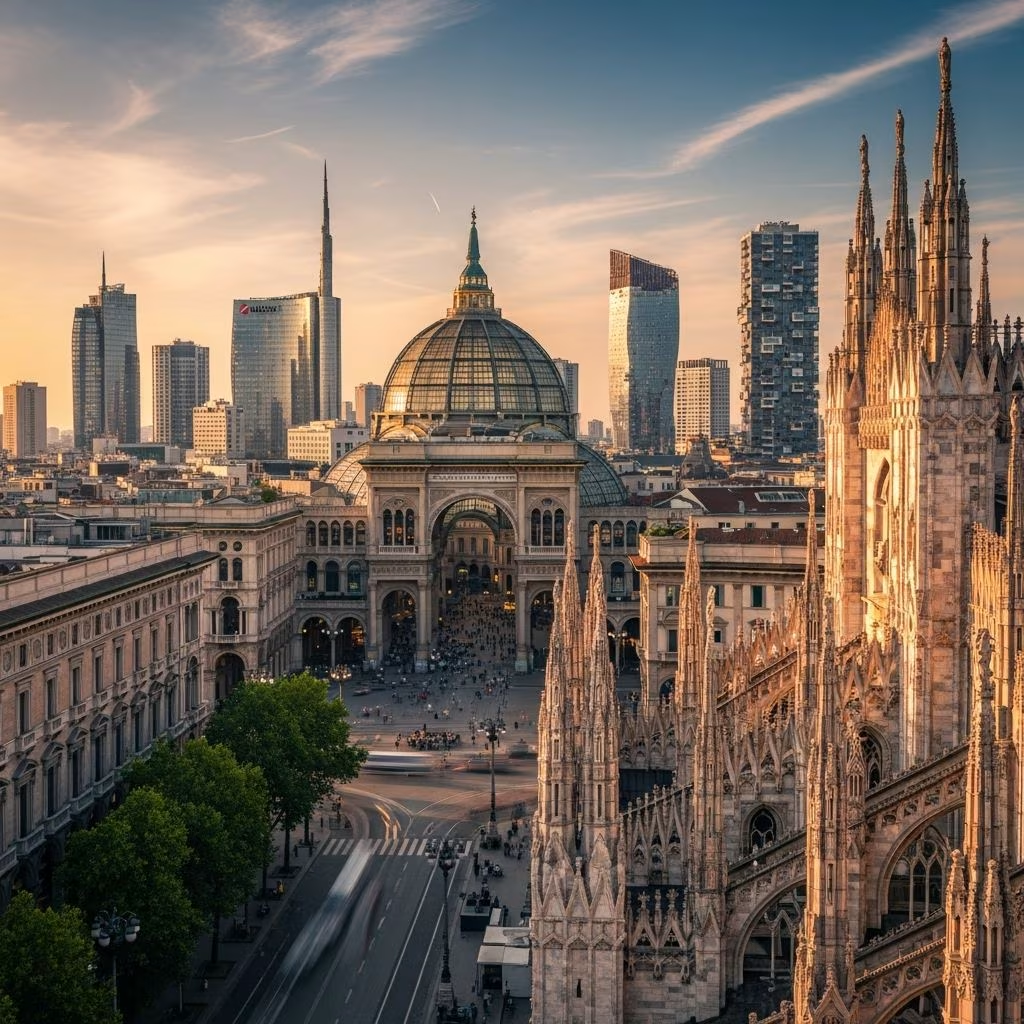
The Milan Cathedral (Duomo di Milano) ranks among the world’s largest and most intricate Gothic structures. This architectural marvel showcases stunning marble facades, elaborate spires, and breathtaking interior spaces adorned with stained glass and religious art. Visitors can ascend to the roof, walking among sculptures and enjoying panoramic city views. The Duomo Museum adjacent to the cathedral preserves original artworks and sculptures removed from the exterior, providing deeper insight into the cathedral’s artistic significance and construction history.
This magnificent glass-roofed arcade represents one of Italy’s most elegant commercial spaces. The Galleria combines high-end shopping with architectural grandeur, featuring a spectacular glass dome and intricate floor mosaics. Beyond shopping, the Galleria functions as a social hub where locals and visitors converge for people-watching and experiencing Milan’s sophisticated atmosphere. Numerous cafes within the arcade offer perfect spots for observing the constant flow of elegantly dressed shoppers.
As the world’s most prestigious opera house, La Scala represents the pinnacle of musical performance. Even non-opera enthusiasts appreciate the venue’s opulent interior, featuring red velvet seats, gilt decorations, and crystal chandeliers. The accompanying museum documents the theater’s storied history through costumes, set designs, and memorabilia from legendary performances. Tours provide access to the auditorium and backstage areas when performances aren’t scheduled.
This magnificent fortress combines military architecture with artistic importance. Originally constructed as a defensive structure, the castle evolved into a lavish ducal residence. Today it houses multiple museums containing sculptures, tapestries, and Renaissance artwork. The castle’s highlight features an unfinished Michelangelo pietà, showcasing the artist’s mastery even in incomplete works. The surrounding Parco Sempione provides green space for relaxation and offers scenic views of the Arco della Pace (Arch of Peace) nearby.
This Renaissance church houses one of the world’s most iconic artworks: Leonardo da Vinci’s The Last Supper. Located in the church’s refectory, this monumental painting depicts Christ’s final meal with his apostles with extraordinary psychological depth and compositional balance. Due to its fragile condition and immense popularity, viewing requires advance reservations. The experience provides profound insight into Renaissance artistic genius and spiritual exploration.
One of Milan’s oldest and most significant churches, Sant’Ambrogio showcases Romanesque architecture predating the Gothic Duomo by centuries. The basilica’s golden altar, intricate mosaics, and historical importance make it essential for understanding Milan’s religious and cultural development. The quiet sanctuary offers contemplative space away from the city’s commercial bustle.
The Pinacoteca di Brera ranks among Italy’s most important art museums, displaying masterworks from medieval through contemporary periods. Caravaggio, Raphael, and Venetian masters are well-represented in extensive galleries. The Brera also functions as an art academy, maintaining its role as an educational institution alongside its museum operations.
Milan’s status as a global fashion capital manifests throughout the city’s commercial districts. The Quadrilatero d’Oro (Golden Rectangle) concentrates flagship stores of the world’s most prestigious fashion houses on streets like Via Montenapoleone, Via della Spiga, and Via Sant’Andrea. This exclusive zone epitomizes luxury shopping, though prices reflect the prestigious brands and prime locations.
For department store shopping, Rinascente offers curated collections of Italian and international designers across multiple floors in an elegant historic building. The Galleria Vittorio Emanuele II continues to attract shoppers seeking high-end brands in architectural grandeur.
Budget-conscious shoppers find value at Eataly, an expansive food hall showcasing Italian culinary products, prepared foods, and dining venues. This marketplace celebrates Italian gastronomic culture while offering more accessible pricing than fashion boutiques.
Milan’s dining scene balances traditional Lombard cuisine with innovative contemporary cooking. Risotto alla milanese, a creamy rice dish infused with saffron and bone marrow, represents the region’s signature dish. Ossobuco, braised veal shanks in wine sauce, demonstrates the region’s robust meat-cooking traditions.
Local aperitivo culture remains integral to Milan’s social fabric. Bar Basso claims fame as the birthplace of the Negroni sbagliato cocktail (accidentally created with sparkling wine instead of gin), and the bar maintains its historical significance as a meeting point for locals and tourists alike.
Neighborhood trattorias offer authentic experiences beyond tourist-oriented restaurants. The Navigli district particularly excels in waterfront dining venues serving contemporary Italian cuisine in atmospheric settings. Mercato Centrale provides opportunities to sample street food, fresh produce, and regional specialties in a vibrant market environment.
Milan hosts two internationally significant football (soccer) clubs: AC Milan and Inter Milan. Matches at Stadio Giuseppe Meazza (also called San Siro) generate intense atmosphere and provide insight into Italian sports passion. Stadium tours offer access to trophy rooms, locker rooms, and player facilities even when matches aren’t scheduled.
The Parco Sempione stretches behind Sforza Castle, providing peaceful gardens, tree-lined promenades, and the iconic Arco della Pace monument. Giardini Pubblici Indro Montanelli offers museums, botanical gardens, and quiet contemplation spaces within the urban landscape. These green areas provide respite from city hustle and opportunities for picnicking or leisurely walks.
Milan’s sophisticated travelers appreciate wellness facilities like QC Terme Spa, offering thermal pools, saunas, and spa treatments in luxurious settings. These establishments provide rejuvenation opportunities for couples and individuals seeking relaxation during city visits.
Beyond mainstream attractions, Milan harbors distinctive experiences for curious explorers. The Crypt of San Sepolcro presents an eerie underground chamber beneath the church’s main level, offering an unusual perspective on medieval Milan. The Cimitero Monumentale di Milano functions as an open-air sculpture museum, featuring elaborate funerary monuments, chapels, and artworks created by renowned sculptors. Walking tours through this cemetery provide unexpected artistic discoveries and historical narratives.
The Armani Museum showcases the fashion designer’s career retrospective, displaying iconic designs, sketches, and photographs documenting decades of influence on contemporary fashion. The Starbucks Reserve Roastery Milan location, housed in an ornate historic building, combines coffee culture with architectural appreciation.
Milan’s nightlife accommodates diverse preferences. Rooftop bars provide stunning views of illuminated monuments and city lights while serving craft cocktails and wines. Dance clubs concentrate in specific districts, featuring local DJs and international performers. Jazz venues and small theaters host intimate performances, particularly in Brera and Navigli neighborhoods. Classical music concerts at venues like Teatro Dal Verme appeal to culturally-oriented visitors.
Milan’s location provides convenient access to northern Italy’s natural and cultural attractions. Lake Como lies just an hour away, offering scenic boat rides, charming waterfront villages, and mountain views. Lake Garda, Italy’s largest lake, combines natural beauty with resort facilities. The Cinque Terre coastal villages, though requiring more travel time, reward visitors with UNESCO World Heritage landscapes and Mediterranean culture.
Daily expenses in Milan vary significantly based on accommodation and dining choices. Budget travelers can expect €45-€50 daily including modest accommodation, casual dining, and public transportation. Mid-range visitors typically spend €65-€80 daily for comfortable hotels, quality restaurants, and museum entries. Luxury travelers can exceed €100+ daily for five-star hotels and fine dining.
Ideal visit duration spans 3-5 days for comprehensive exploration. This timeframe permits visiting major attractions, exploring multiple neighborhoods, enjoying meals at varied restaurants, and potentially taking one day trip. However, Milan rewards extended stays, as deeper cultural immersion reveals layers beyond initial tourist experiences.
Milan transcends typical tourist destination status, offering substance alongside style. The city demands engagement beyond surface-level sightseeing, rewarding curious visitors with artistic discoveries, culinary delights, and authentic cultural encounters. Whether standing before Leonardo’s masterpiece, sipping aperitivos at a Navigli canal-side bar, admiring Renaissance sculptures, or simply people-watching in the Galleria, Milan continually surprises and captivates. Planning sufficient time to move beyond major monuments into neighborhoods, markets, and local establishments transforms a Milan visit from pleasant tourism into meaningful cultural immersion.
