

 Travel Essentials
 Travel Essentials

Plan an unforgettable day trip to Molokai with our comprehensive guide covering transport, activities, dining, and insider tips for experiencing Hawaii's quietest island.
 Travel Essentials
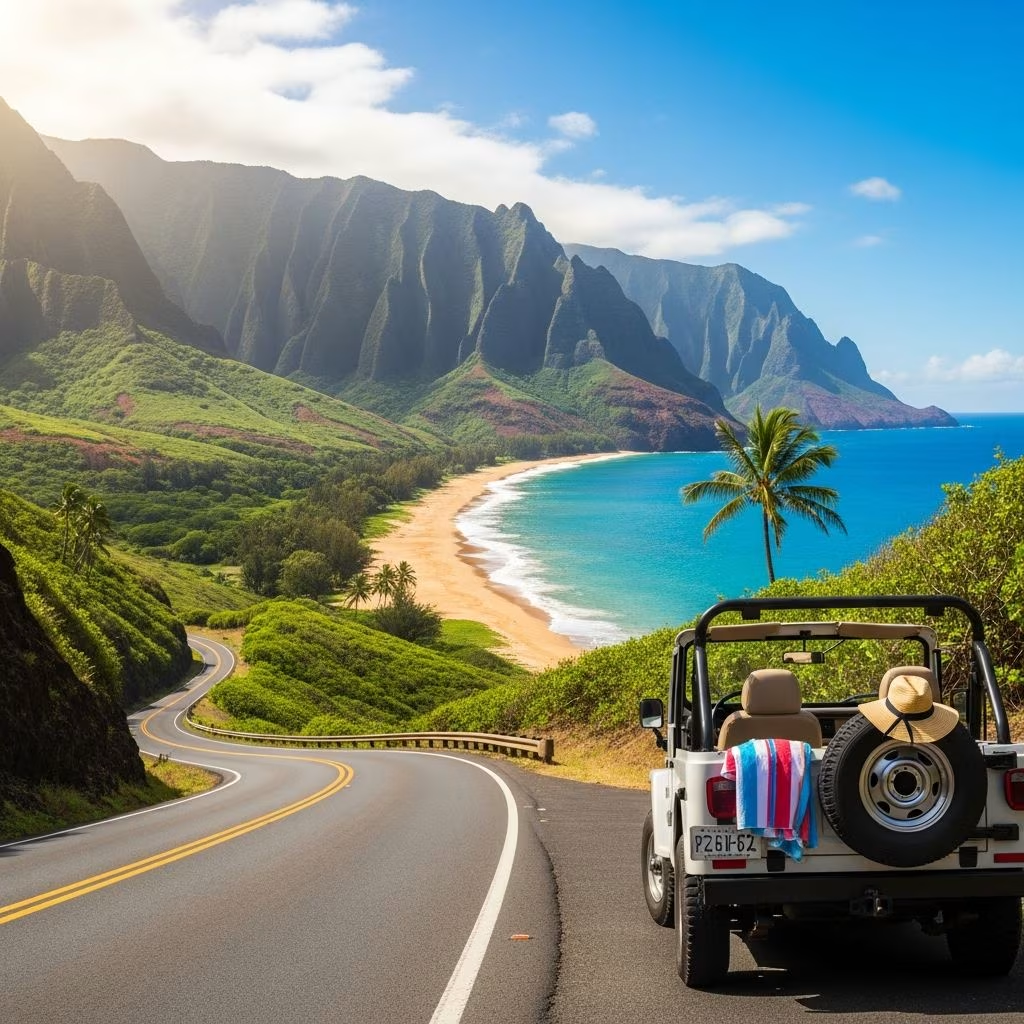
Among Hawaii’s islands, Molokai stands apart as a destination that has intentionally limited tourism development, preserving its authentic character and natural beauty. Unlike its more commercialized neighbors, this island remains a haven for travelers seeking genuine Hawaiian experiences away from crowded resorts and tourist infrastructure. A day trip to Molokai offers an accessible way to immerse yourself in the island’s remarkable ecosystems, rich cultural heritage, and isolated communities without committing to an extended stay.
Molokai’s appeal lies in its remarkable diversity compressed into a relatively small landmass. The island showcases dramatic variations in landscape and climate that would normally require traveling across multiple destinations. Within a single day, visitors can transition from lush tropical valleys to arid coastal regions, ascending through different ecological zones that support distinct plant and animal communities. This geographic variety, combined with the island’s intentional approach to sustainable tourism, creates an experience fundamentally different from typical Hawaiian vacations.
The island’s population actively works to maintain Molokai’s quiet character and protect its natural resources. This commitment to preservation means fewer crowds, more authentic interactions with local culture, and landscapes that haven’t been heavily developed or commercialized. For travelers fatigued by the tourism machine that dominates other Hawaiian islands, Molokai provides refreshing authenticity.
The most practical route to Molokai from Maui involves crossing the Pailolo Channel via the Molokai Ferry, which operates regular service between Maui’s Lahaina harbor and Molokai’s Kaunakakai port. This ferry crossing typically takes about 50 minutes and provides comfortable seating with ocean views. Several companies offer day-trip packages that bundle ferry passage with vehicle rental, eliminating the logistical complexity of arranging separate transportation components.
Upon arrival at Kaunakakai, visitors have several options for exploring the island. Many day-trip packages include compact rental vehicles, offering independence to set your own pace and focus on specific interests. Alternatively, organized tours provide guided experiences with professional narration, predetermined itineraries, and typically include meal service. Tour options range from 6 to 8 hours, accommodating various schedules and energy levels.
The eastern reaches of Molokai showcase the island’s most dramatic natural features. The Halawa Valley, located on the island’s eastern tip, contains two significant waterfalls—Moaula and Hipuapua—representing some of Hawaii’s most accessible waterfall experiences. These falls are only reachable via guided hikes that typically require advance arrangement through established cultural guides.
The three-hour hiking experience involves navigating through terrain rich with archaeological significance. As you progress toward the waterfalls, your guide points out ancient Hawaiian structures, agricultural remnants, and cultural landmarks that reveal how previous generations inhabited and utilized this valley. The hike culminates at natural pools where visitors can swim in pristine freshwater pools fed by the cascading water above.
Accessing these falls requires coordination with established guides, as the valley remains culturally significant to local communities. This arrangement protects both visitors and the archaeological sites from damage, ensuring the experience remains sustainable for future visitors. Several local operators specialize in these guided experiences and can accommodate day-trippers by scheduling morning hikes that allow time for ferry departure by late afternoon.
Molokai’s history encompasses significant chapters of Hawaiian cultural development and, more recently, medical history during the era of Hansen’s Disease isolation. The island contains numerous sites that illuminate different periods of this complex past.
The Kalaupapa Lookout provides elevated vistas of Kalaupapa Peninsula, an isolated community that served as a settlement for Hansen’s Disease patients during the 19th and 20th centuries. While visitor access to the peninsula itself requires advance authorization and is typically limited, the lookout offers perspectives on this remarkable historical site. Some day-trip itineraries include visits to St. Joseph Church, a small chapel built by Father Damien in the 1800s, which serves as a tangible connection to this humanitarian figure whose work with isolated patients became legendary.
Purdy’s Macadamia Nut Farm represents a different aspect of Molokai’s history and economy. This operating agricultural enterprise demonstrates traditional macadamia cultivation on the island and allows visitors to observe and sample these prized nuts in their natural growing environment. When open, the farm tour provides insight into Molokai’s agricultural heritage and contemporary farming practices.
For visitors seeking solitude in natural settings, Molokai offers several hiking opportunities that see far fewer visitors than comparable trails on other islands. The Pepepoapae Bog Trail, located in the central highlands above Kaunakakai, represents a high-elevation trek through a distinctive ecosystem. This remote trail traverses through native Hawaiian vegetation and provides perspectives on the island’s botanical diversity that few tourists experience.
The west side of Molokai features the Papohaku Beach, an expansive 2-mile stretch of sandy coastline renowned for sunset viewing. This beach, rarely crowded even during peak tourism seasons, offers an ideal location for contemplative beach time or photography during golden hour. The relatively undeveloped nature of this beach area amplifies its appeal for visitors seeking tranquility and natural beauty without commercial infrastructure.
The Moomomi Sand Dunes Trail provides another opportunity for off-the-beaten-path exploration along Molokai’s northern coast. This remote day hike traverses unusual sand dune formations and provides perspectives on coastal geography that contrasts sharply with the valley and waterfall experiences on the eastern side of the island.
Despite Molokai’s small size and limited tourism infrastructure, the island has developed distinctive food traditions reflecting Hawaiian, local, and immigrant culinary influences. Most day-trip packages include meals prepared with local ingredients, providing visitors with authentic flavors rather than standardized tourist fare.
The main town of Kaunakakai contains several casual eateries that have become gathering places for both locals and adventurous visitors. Establishments like A Taste of Molokai, operating as a food truck, have developed reputations for preparing poke and other local specialties with exceptional quality. These informal dining venues offer more authentic interactions with local food culture than resort restaurants can provide.
Kamoi Snack-n-Go functions as the island’s primary ice cream destination, providing a quintessential casual Hawaiian experience. For visitors exploring the island independently, these local establishments offer opportunities to support small businesses while enjoying genuine local flavors. Many day-trip itineraries include beach-style lunch service featuring local preparations, allowing visitors to experience dining in outdoor settings with ocean views.
Beyond standard sightseeing, Molokai supports several specialized activity providers catering to specific interests:
Successful day trips to Molokai require strategic planning to maximize experiences within ferry departure windows. Most visitors have approximately 6-8 hours between arrival and departure, necessitating prioritization of activities.
Typical itineraries follow geographic patterns, often beginning on the eastern side with valley and waterfall experiences before moving west toward Kalaupapa Lookout and other central attractions. West-side destinations like Papohaku Beach represent potential final stops before returning to Kaunakakai for ferry departure, though time constraints sometimes limit western exploration on tightly scheduled trips.
Guided full-day tours typically coordinate logistics automatically, moving visitors efficiently between multiple stops with professional narration providing context about cultural and natural features. These packaged experiences work well for visitors who prefer structured experiences or lack confidence navigating unfamiliar roads. Alternatively, self-guided exploration using rental vehicles offers flexibility to linger at preferred locations or discover unscheduled discoveries.
Several logistical factors merit attention when planning Molokai day trips:
Molokai experiences seasonal weather patterns that affect activity availability and conditions. Winter months (December through March) bring higher rainfall to the island’s windward sides and activate whale migration patterns, making whale-watching excursions feasible during this period. Spring and summer months typically feature calmer ocean conditions, making ferry crossings more comfortable and certain water activities more accessible.
Visitor volume remains relatively constant throughout the year compared to other Hawaiian islands, though minor seasonal fluctuations occur. Planning around personal preferences for weather conditions, specific activity availability, and ferry schedules represents a more significant factor than avoiding peak tourism seasons.
A day trip to Molokai delivers experiences substantially different from typical Hawaiian vacations. The island’s commitment to limited development, combined with its dramatic natural features and rich cultural heritage, creates opportunities for meaningful engagement with authentic Hawaii. Whether pursuing specific activities like waterfall hiking and snorkeling or simply exploring small towns and pristine beaches, visitors return from Molokai with memorable experiences and enhanced appreciation for Hawaiian ecosystems and culture. For travelers seeking escape from commercialized tourism while still experiencing Hawaii’s remarkable beauty, Molokai day trips represent an exceptional value.
