


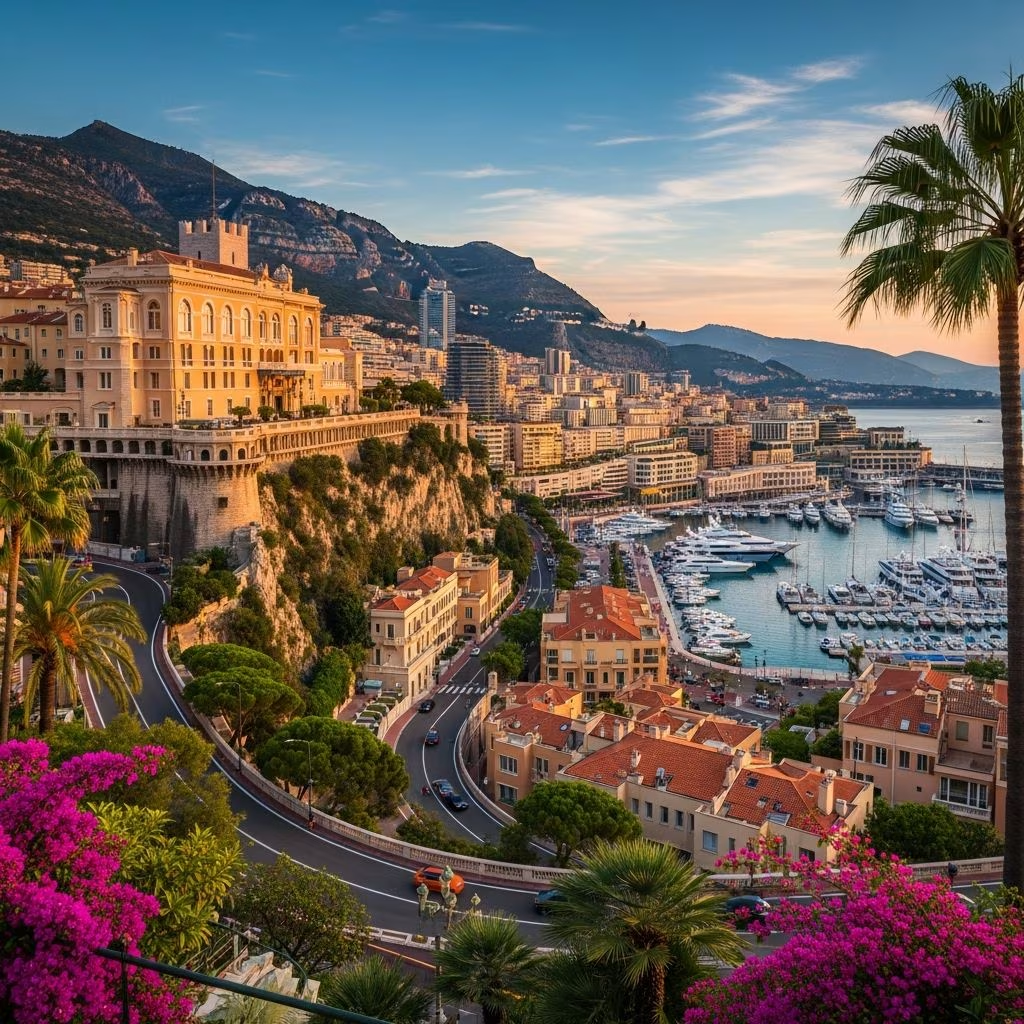
Monaco stands as one of Europe’s most captivating yet misunderstood destinations. While international media often portrays this principality as an exclusive playground for the ultra-wealthy, the reality encompasses far more depth and accessibility than most travelers realize. For first-time visitors, understanding how to navigate Monaco reveals not just opulent landscapes and designer boutiques, but also authentic cultural experiences, genuine local traditions, and surprising affordability in public spaces. This guide provides the essential information needed to maximize a Monaco visit, whether you have a single day or an entire week.
Understanding Monaco’s Geography and Layout
Monaco occupies just 2.02 square kilometers, making it the world’s second-smallest independent state after Vatican City. Despite its diminutive size, the principality divides into five distinct quarters, each with its own character and appeal. This compact geography means visitors can experience multiple neighborhoods on foot within a relatively short timeframe.
The southern section of Monaco features Le Rocher (meaning “The Rock”), a dramatic rocky outcrop rising from the Mediterranean coastline. Perched atop this geological formation sits Monaco-Ville, the old town, featuring narrow medieval streets, historic architecture, and commanding panoramic views of the harbor and surrounding coastline. The principal palace anchors this historic quarter, serving as the official residence of the ruling Grimaldi family and representing the heart of Monaco’s governmental and historical significance.
Moving eastward from the old town, visitors encounter the Port Hercules district, a bustling maritime hub where super-yachts line the waterfront and maritime culture thrives. Further east lies the famous Monte Carlo quarter, synonymous worldwide with luxury, gambling, fine dining, and Belle Époque architecture. The Casino de Monte-Carlo stands as the undisputed centerpiece of this district, alongside the legendary Hôtel de Paris Monte-Carlo, both representing 19th-century opulence and continuing to define the region’s sophisticated character.
The western districts include Fontvieille, a newer development built on reclaimed land featuring modern gardens, restaurants, and the Grimaldi Forum cultural venue, and Larvotto, home to beaches and contemporary residential spaces. Understanding this layout allows visitors to efficiently plan itineraries matching their interests and available time.
Essential Attractions for Every Visitor
The Prince’s Palace and Ceremonial Guard Change
The Prince’s Palace represents Monaco’s most iconic landmark and mandatory first stop for visitors. Located on the elevated heights of Le Rocher, the palace combines medieval fortress elements with Renaissance additions, creating a striking silhouette against the Mediterranean backdrop. While the interior remains closed to public access, the exterior architecture and surrounding Place du Palais merit extended exploration.
One of Monaco’s most charming traditions occurs daily at precisely 11:55 a.m., when the ceremonial changing of the Monégasque Guard takes place. This brief but colorful spectacle attracts visitors and locals alike, featuring uniformed guards in distinctive red and white uniforms performing synchronized movements with military precision. Arriving approximately 15 minutes early ensures good positioning for photographs and unobstructed viewing.
Monaco-Ville and Medieval Architecture
Beyond the palace itself, Monaco-Ville deserves several hours of unhurried exploration. The old town encompasses narrow, winding streets characteristic of medieval European settlements, featuring whitewashed buildings, flowering window boxes, and hidden plazas that transport visitors centuries backward in time. Renaissance-era residences showcase architectural details reflecting the region’s historical evolution, while intimate cafés tucked into alleyways provide quiet respite points during exploration.
The Monaco Cathedral, constructed in Romanesque-Byzantine style using brilliant white stone, stands as a sacred landmark within the old town. Beyond its architectural significance, the cathedral holds profound historical importance as the final resting place of numerous Grimaldi family members, including Prince Rainier III and Princess Grace, making it a site of both spiritual and historical pilgrimage.
Garden Saint-Martin, positioned along the coastal cliffs below the old town, offers shaded walking paths and strategic vantage points for Mediterranean views. The ramparts bordering both the palace and cathedral provide additional photo opportunities and peaceful moments away from busier tourist areas.
The Oceanographic Museum
Monaco’s Oceanographic Museum ranks among Europe’s finest institutions dedicated to marine science and conservation. Housing extensive aquarium collections featuring sharks, sea turtles, and fish species from all major ocean systems, the museum combines educational content with visually spectacular displays. Beyond living specimens, curiosity cabinets showcase historical maritime artifacts and oceanic discoveries spanning centuries.
The museum appeals particularly to family groups, though adults without children equally appreciate the architecture and comprehensive exhibition design. Located on the eastern flank of Le Rocher, the museum’s position provides additional harbor views and convenient access to surrounding attractions.
Casino Square and Monte Carlo Architecture
Place du Casino (Casino Square) represents the geographical and cultural heart of Monte Carlo, functioning as Monaco’s primary gathering point for luxury shopping, fine dining, and architectural appreciation. The Casino de Monte-Carlo itself showcases Belle Époque design elements including ornate facades, grand entrances, and interior spaces dripping with historical elegance. Visitors need not gamble to appreciate the building’s architectural significance; guided tours with audioguide options allow exploration of the casino’s public spaces without wagering money.
Adjacent properties including the Hôtel de Paris Monte-Carlo echo the same architectural vocabulary and historical prestige, creating a concentrated district where 19th-century grandeur remains remarkably preserved and actively maintained.
Cultural Institutions and Artistic Experiences
Monaco punches significantly above its weight regarding cultural offerings. The Nouveau Musée National de Monaco operates across two architectural jewels—Villa Sauber and Villa Paloma—each hosting contemporary art exhibitions that rotate seasonally. These venues provide sophisticated cultural programming without the overwhelming scale of major metropolitan museums.
The Grimaldi Forum, functioning as Monaco’s premier international exhibition venue, hosts major traveling exhibitions each summer, featuring thematic retrospectives of celebrated artists or exploring significant artistic movements. This programming calendar makes timing considerations relevant for culture-focused visitors.
Historical and Specialized Museums
The Musée du Vieux Monaco provides focused exploration of the principality’s historical evolution, particularly regarding the royal family’s role in shaping modern Monaco. For automotive enthusiasts, the Prince’s Private Car Collection showcases vehicles selected by the reigning prince, representing automotive history and design excellence.
These specialized institutions cater to visitors with particular interests, allowing customization of cultural experiences beyond mainstream attractions.
Practical Navigation and Exploration Methods
Walking as Primary Transportation
Monaco’s extreme compactness makes walking the optimal exploration method for nearly all visitors. The principality spans less than one hour on foot from one extreme to the other, meaning strategic walking routes can encompass virtually all major attractions within a single day. Every street corner presents contrasting perspectives—transitioning seamlessly from medieval alleys to modern marinas to Belle Époque squares.
Comfortable walking shoes remain essential given the hilly terrain, particularly when ascending to Le Rocher. Early morning and late afternoon explorations avoid peak heat during summer months and provide superior photography conditions.
Public Transportation Options
While walking suffices for most visitors, Monaco operates efficient public transportation including buses connecting all districts and a small circuit train tourist option. The Bateau Bus (shuttle boat service) provides both transportation and scenic experiences, circling coastal districts such as Fontvieille and Larvotto while offering water-level perspectives of Monaco’s geography.
The Formula One Grand Prix Circuit
Monaco’s most famous international event, the Formula One Grand Prix, transforms public streets into a racing circuit each spring. Outside race season, visitors can walk or drive the actual circuit route, experiencing firsthand the challenging corners and elevation changes that make this event uniquely demanding within the Formula One calendar. The Fairmont Corner represents the circuit’s most iconic section, familiar to motorsport enthusiasts worldwide.
Dining and Market Experiences
Condamine Market
Located on Place d’Armes, the Condamine market functions as Monaco’s primary fresh produce and specialty food market, attracting locals and tourists alike. Visiting early in the morning captures the market’s authentic atmosphere before peak tourist hours, allowing interaction with vendors and discovery of regional products. Colorful vegetable stalls, artisanal cheese vendors, and fresh fruit displays create sensory-rich experiences distinct from restaurant dining.
Dining Options Across Price Ranges
While Monaco’s reputation emphasizes Michelin-starred fine dining establishments, the principality accommodates broader culinary budgets than commonly assumed. Port district streets feature numerous casual dining options where residents and visiting workers enjoy affordable meals. Traditional French and Mediterranean cuisine predominates, though international cuisines increasingly appear throughout the principality.
Modern Developments and Future-Oriented Attractions
The Mareterra district represents Monaco’s ambitious urban development project, introducing contemporary architectural design alongside sustainability-focused urban planning. This emerging quarter showcases how the principality evolves beyond historical foundations, incorporating modern residential spaces, green areas, and innovative infrastructure.
Beach and Leisure Activities
Larvotto Beach and its associated promenade provide Mediterranean seaside experiences, with more affordable access than premium beach clubs. Swimming, sunbathing, and waterfront walking activities appeal to visitors seeking leisure time away from cultural attractions and shopping districts. The Bateau Bus offers both transportation to beach areas and scenic marine experiences.
Frequently Asked Questions
How Much Time Should First-Time Visitors Allocate?
A single full day allows comprehensive exploration of primary attractions including the palace, old town, cathedral, casino square, and museum visits. Two to three days permit more leisurely pacing, discovery of secondary attractions, dining experiences, and repeated visits to preferred locations.
Is Monaco Exclusively Expensive for Visitors?
While Monaco rightfully holds a luxury reputation, public spaces including beaches, markets, and street exploration require no expenditure. Many museums offer reasonable admission pricing. Budget-conscious travelers can enjoy substantial Monaco experiences without premium dining or shopping.
What Represents the Best Time to Visit?
Spring and autumn offer optimal climate conditions and lower tourist density compared to summer months. The Formula One Grand Prix in May provides exciting atmosphere but dramatically increases accommodation costs and crowds. Winter remains mild by northern European standards, though fewer cultural events occur.
How Should Visitors Approach the Luxury Shopping and Dining Culture?
Observation and appreciation remain free. Walking through shopping districts and admiring boutique architecture requires no purchases. Similarly, photographing the Casino de Monte-Carlo exterior and surrounding architecture involves no admission cost. Fine dining represents one option among many, not a requirement.
Practical Visitor Information
Transportation to Monaco
Monaco’s main train station connects to major European rail networks, providing convenient arrival options. Nice airport, located approximately 30 kilometers away, offers international flight connections with shuttle services to Monaco. Car rental remains unnecessary given compact geography and efficient local transportation.
Accommodation Considerations
Monaco’s limited land area restricts accommodation options, resulting in higher-than-average pricing compared to nearby French Riviera locations. Budget-conscious travelers often base themselves in adjacent towns like Menton (France) or Roquebrune-Cap-Martin, accessing Monaco via train or bus for day explorations.
Language and Communication
French serves as Monaco’s official language, though English is widely spoken in tourist-oriented establishments. Learning basic French phrases enhances interactions with locals and demonstrates cultural respect.
Beyond Tourist Attractions: Authentic Experiences
First-time visitors often benefit most from slowing down exploration rhythms, sitting in cafés, observing local residents navigating daily life, and embracing serendipitous discoveries. Engaging with locals through market visits, casual dining, and respectful conversation reveals Monaco’s contemporary culture beyond historical monuments and luxury facades. This balanced approach—combining iconic attractions with authentic immersion—defines memorable Monaco experiences for discerning travelers.
References
- Monaco Travel Guide: Where to Stay, Eat, and Explore — My French Country Home Travel. Retrieved April 2026. https://myfrenchcountryhometravel.com/france-travel-guides/monaco/
- What to do in Monaco? Complete guide to visit Monaco — Monte Carlo SBM. Retrieved April 2026. https://www.montecarlosbm.com/en/inspiration/visit-monaco
- A Local’s Guide to Travel in Monaco – Beyond the Glitz and Glamour — Go Ask a Local. Retrieved April 2026. https://goaskalocal.com/blog/travel-guide-to-monaco
- Top 10 Things to Do in the World’s Most Luxurious Country — YouTube. Retrieved April 2026. https://www.youtube.com/watch?v=EWcag0CO5nA
- Monaco Travel Guide: What to Know Before You Go — Nomad Photographer. Retrieved April 2026. https://nomadphotographer.com/monaco/

