

 Travel Essentials
 Travel Essentials

Discover Montana's national parks, outdoor pursuits, historic sites, and vibrant communities. From Glacier to Yellowstone, plan your adventure in the Treasure State.
 Travel Essentials
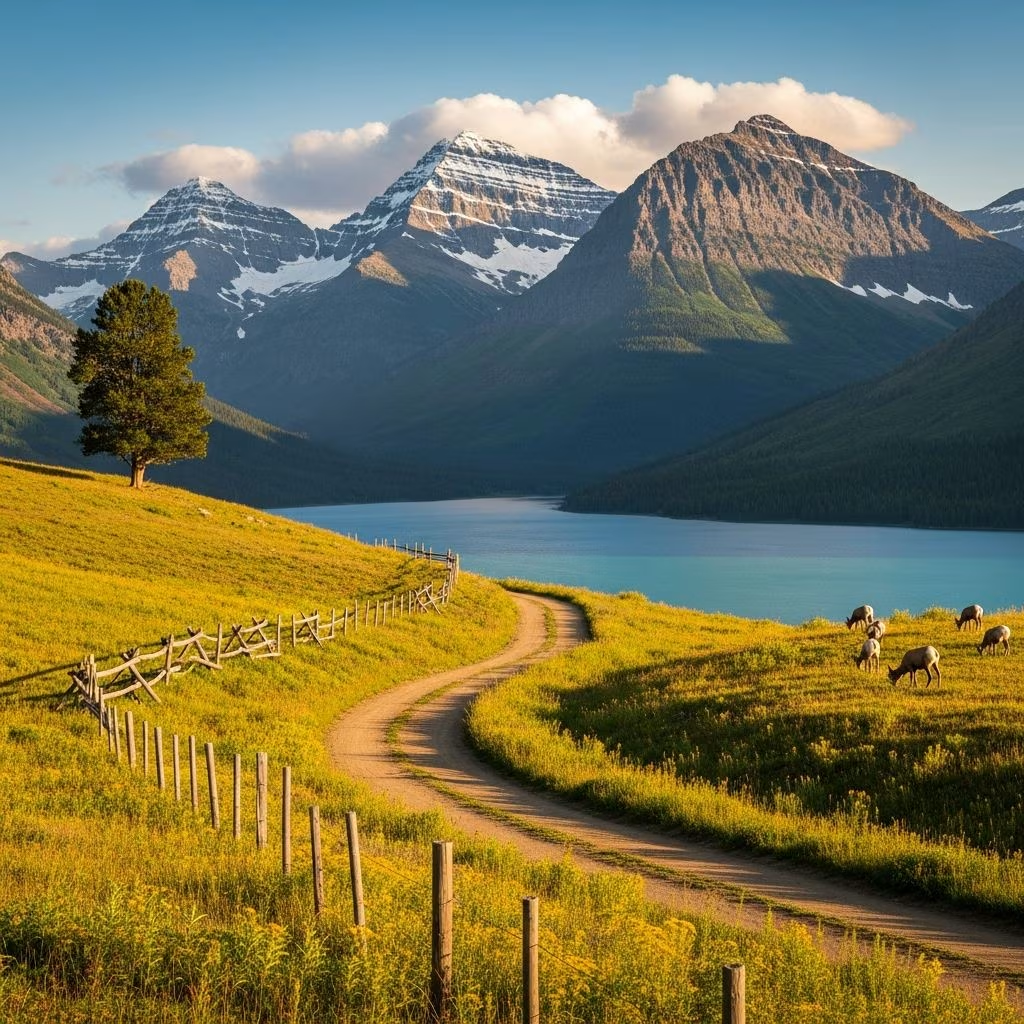
Montana, known as the Treasure State or Big Sky Country, captivates visitors with its vast prairies, towering mountains, and pristine wilderness. Spanning over 147,000 square miles, it offers unparalleled opportunities for outdoor enthusiasts, history buffs, and nature lovers alike. Home to two iconic national parks—Glacier and parts of Yellowstone—Montana delivers rugged beauty and endless adventures year-round.
Montana stands out for its dramatic landscapes shaped by glaciers, volcanoes, and ancient rivers. The state boasts more public land per capita than any other, ensuring ample space for exploration without crowds. From the jagged peaks of the Rockies to the sweeping plains of the east, every region tells a unique story of geological wonders and human history. Wildlife thrives here, with grizzly bears, wolves, elk, and bison roaming freely, making it a prime spot for wildlife viewing.
Native American tribes, including the Blackfeet, Salish, and Crow, have called this land home for millennia. European explorers arrived in the 1800s, drawn by fur trade and gold rushes, leaving a legacy of forts, battlefields, and mining towns. Today, Montana blends this rich heritage with modern attractions, from farm-to-table dining to world-class resorts.
Nicknamed the Crown of the Continent, Glacier National Park spans over a million acres on Montana’s northwest border with Canada. Famous for its Going-to-the-Sun Road—a 50-mile engineering marvel hugging sheer cliffs—visitors enjoy stunning vistas of turquoise lakes, alpine meadows, and receding glaciers. Over 700 miles of trails cater to all levels, from easy lakeside strolls to multi-day backcountry treks. Spot mountain goats on Highline Trail or boat across crystal-clear Lake McDonald.
While mostly in Wyoming, Montana claims a significant portion of Yellowstone, including the northeast entrance near Cooke City. Geysers like Old Faithful, geothermal pools, and the Lamar Valley—known as America’s Serengeti for its wildlife—define this wonder. Explore the Mammoth Hot Springs terraces or fish in the Madison River. Winter brings snowcoach tours for bison sightings in steaming valleys.
| Park Feature | Highlights | Best Season |
|---|---|---|
| Glacier | Going-to-the-Sun Road, Bearhat Mountain | Summer |
| Yellowstone (MT) | Lamar Valley, Mammoth Terraces | All year |
Montana is an adrenaline junkie’s paradise. Summer shines for hiking, fly-fishing, and whitewater rafting on the Gallatin or Missouri Rivers. Over 27,000 miles of fishable streams host trophy trout, drawing anglers worldwide. Mountain biking trails in the Bitterroot Valley offer gravity-fed descents amid wildflowers.
When snow blankets the peaks, Montana transforms into a winter playground. Big Sky Resort, one of North America’s largest, features 5,800 acres of lift-served terrain, 4,350 vertical feet, and innovative terrain parks. Whitefish Mountain Resort near Glacier provides tree skiing and glades. Beyond skiing, try snowmobiling across 300 inches of powder, dog sledding with huskies, or ice climbing frozen waterfalls.
Vibrant Bozeman combines college-town energy with outdoor access. Montana State University fuels a lively scene of breweries, farm-fresh eateries, and indie shops. The Museum of the Rockies houses world-class dinosaur fossils, including T. rex skeletons. Main Street buzzes with live music and seasonal festivals.
Nestled in a river valley, Missoula offers urban amenities amid nature. Hike Mount Sentinel for panoramic views, or paddle the Clark Fork River. The city hosts the Montana Museum of Art and numerous craft breweries. Surrounding hot springs and ghost towns add day-trip appeal.
Montana’s largest city, Billings, sits near the Little Bighorn Battlefield, site of Custer’s Last Stand. ZooMontana showcases native wildlife, while the Western Heritage Center dives into pioneer history. Rimrock Road offers scenic drives with fossil hunts.
Near Glacier, Whitefish enchants with its walkable downtown, Whitefish Lake Resort, and proximity to ski slopes. Kalispell features Conrad Mansion and orchards ripe for u-pick in fall.
Montana’s scale demands smart planning. Rent a car or RV for flexibility; major airports include Bozeman Yellowstone International (BZN), Missoula (MSO), and Glacier Park International (FCA). Scenic byways like the Beartooth Highway rival any park road. Amtrak’s Empire Builder connects east-west via Whitefish.
| Region | Airport | Drive Time to Key Attraction |
|---|---|---|
| Northwest | FCA (Kalispell) | 30 min to Glacier |
| Southwest | BZN (Bozeman) | 1.5 hrs to Big Sky |
| East | BBI (Billings) | 1 hr to Little Bighorn |
Montana’s food reflects its ranching roots: bison burgers, huckleberry pies, and craft beers. Bozeman’s Blackbird Kitchen serves locavore cuisine; Missoula’s markets overflow with artisan cheeses. Lodging ranges from glamping yurts and dude ranches to luxury resorts like The Lodge at Whitefish Lake. Camping abounds in state parks and national forests.
Best Time to Visit: June-September for warmth; December-March for snow sports. Summers peak with crowds; book ahead. Pack layers—weather shifts fast at elevation.
Budget Tips: Visit shoulder seasons, camp, or stay in Airbnbs. National Park passes save on entries.
Yes, with standard precautions. Bear spray is essential in backcountry; follow ranger advisories.
7-10 days for parks and a town; two weeks for full immersion.
Possible in winter, especially north near Glacier. Low light pollution aids viewing.
Absolutely—easy trails, wildlife safaris, museums, and resorts with kids’ programs.
Roads are well-maintained but remote; gas up often, carry water.
This itinerary covers highlights efficiently, adaptable for seasons.
