

 Travel Essentials
 Travel Essentials

A comprehensive guide to Montreal's must-see attractions, neighborhoods, and experiences for first-time visitors to Canada's cultural capital.
 Travel Essentials
Montreal stands as one of North America’s most captivating destinations, blending European charm with North American energy. For first-time visitors, the city presents an intoxicating mix of historic architecture, world-class museums, vibrant neighborhoods, and exceptional cuisine. Whether you’re drawn to cultural experiences, outdoor adventures, or culinary exploration, Montreal delivers unforgettable moments at every turn.
Before diving into neighborhood exploration, orient yourself with panoramic city views. Mount Royal, affectionately called “the mountain” by locals, offers an excellent introduction to Montreal’s geography and layout. The main observation platform, Belvédère Kondiaronk, provides breathtaking 360-degree vistas of the skyline and surrounding areas. This vantage point helps visitors understand the city’s spatial relationships and identifies landmarks worth visiting.
The mountain itself invites exploration through walking paths and cycling routes, making it accessible regardless of fitness level. The journey up rewards you with fresh air, natural beauty, and those crucial initial impressions that frame your entire Montreal experience.
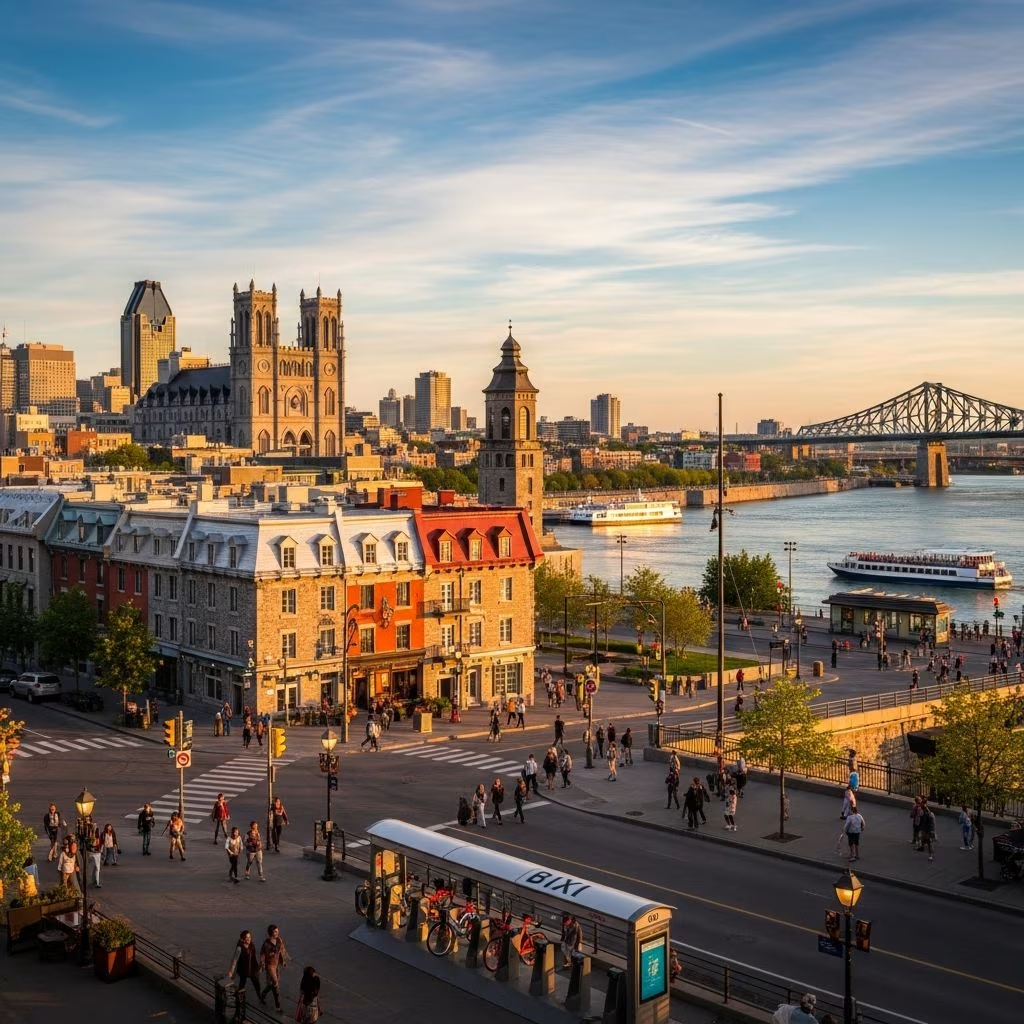
No Montreal visit reaches completion without experiencing Vieux-Montréal’s timeless charm. The neighborhood’s cobblestone streets wind through architecture dating back to 1685, creating an atmosphere that transports visitors across centuries. The historic district stretches between the Saint Lawrence River and Rue Saint Antoine, containing some of the city’s most treasured landmarks and atmospheric pathways.
Place d’Armes serves as an excellent entry point, connecting directly to the area’s most significant cultural sites. Walking tours guide visitors through the district’s fascinating history, revealing stories embedded in building facades and street names. The experience becomes particularly enriching when exploring at a leisurely pace, allowing time to absorb the distinctive character of each block.
The Basilique Notre-Dame de Montréal stands as the district’s crown jewel, representing one of North America’s finest examples of religious architecture. The interior showcases intricate artistry, with ornate decorative elements that justify the modest entrance fee. Visitors with particular interest in art, history, or architecture find the experience especially rewarding. For those seeking similar experiences without entry costs, attending a Sunday mass grants free access.
Adjacent to Notre-Dame, charming cobblestone streets lead toward the waterfront, passing cafés, restaurants, and galleries that capture Montreal’s artistic spirit. Château Ramezay, a UNESCO-recognized history museum, provides deeper context into the region’s colonial past. The Bonsecours Market, another heritage gem, functions as both a shopping destination for local crafts and a beautifully preserved architectural specimen.
While Old Montreal preserves the past, the Plateau neighborhood embodies Montreal’s present creative vitality. Famous for colorful Victorian houses and iconic external spiral staircases, this district pulses with artistic expression and French-speaking culture. The neighborhood’s character emerges through street-level exploration, where independent boutiques, vintage shops, and local businesses create an authentic community atmosphere.
Mont-Royal Avenue bisects the Plateau, serving as the neighborhood’s main cultural artery. Visitors discover excellent pastry shops, vintage bookstores, and independent cafés that define Montreal’s contemporary character. Kouign Amann Bakery offers authentic French pastries that fuel further exploration. Parc La Fontaine provides a perfect resting spot for picnicking or people-watching in the heart of the neighborhood.
Summer visitors encounter Montreal’s famous mural festival, transforming walls throughout the Plateau into an evolving art gallery. New pieces continuously appear, with professional tours available for visitors seeking deeper understanding of the street art movement’s cultural significance.
Montreal’s public markets represent essential destinations for understanding the region’s food culture and seasonal abundance. Marché Jean-Talon, located in Little Italy, ranks as the largest and most diverse market, offering everything from fresh produce to specialty items. The market embodies the flavors of rural Quebec compressed into an urban setting, where local vendors sell seasonal treasures year-round.
Seasonal shopping traditions enhance the market experience: maple syrup in spring, strawberries in summer, and Macintosh apples in autumn. Beyond produce, the markets feature specialty delicatessens, prepared foods, and artisanal products that celebrate Quebec’s culinary heritage. Marché Atwater, near the Lachine Canal, offers an Art Deco aesthetic complemented by specialty shops and restaurants.
Beyond markets, Montreal’s neighborhoods showcase distinct culinary identities worth exploring through dedicated food tours. Mile End’s legendary Montreal-style bagels, poutine variations, and French pastries define the area’s gastronomic reputation. The city’s multicultural composition ensures authentic international cuisines throughout various neighborhoods, from Vietnamese in Little Italy to Portuguese influences along Saint Laurent Boulevard.
Montreal’s museum landscape serves diverse interests and educational levels. The Montréal Museum of Fine Arts (MMFA) stands as the city’s premier destination for classic and decorative arts, housing collections spanning centuries and styles. For contemporary art enthusiasts, Musée d’art contemporain de Montréal (MAC) leads Canada in modern and multimedia art presentations.
History-focused visitors find Pointe-à-Callière uniquely rewarding, as this archaeology and history complex sits directly over Montreal’s birthplace, complete with underground ruins accessible through immersive exhibitions. The museum tells the city’s origin story in compelling fashion, connecting visitors to the foundation upon which modern Montreal stands.
Science-minded travelers should explore Montreal’s Space for Life complex, featuring the Biodôme’s five distinct ecosystems and over 250 animal species. The Botanical Garden, consistently ranked among the world’s greatest, gains particular fame for its autumn Chinese Lantern Festival.
The Old Port represents Montreal’s vibrant recreation hub, offering year-round activities suited to all preferences. La Grande Roue, the city’s observation wheel, operates continuously and provides panoramic views from its passenger cabins. Winter visitors can ice skate directly beneath the wheel, while summer crowds enjoy the festive atmosphere created by food trucks, boutiques, and event programming.
Adventure seekers discover activities including ziplines and ropes courses through facilities like Voiles en Voiles. The Clock Tower area culminates in a small beach where visitors can wade into the Saint Lawrence River while watching bateau-mouche sightseeing boats. The newer Port of Montreal Tower, a 65-meter glass structure, offers skyline views at approximately half the cost of comparable attractions.
Cycling tours provide alternative perspectives on Montreal’s layout and character, with both regular and electric bike options available. The Plateau’s relatively flat terrain makes it particularly suitable for cycling exploration.
Montreal transforms seasonally, offering distinct experiences throughout the year. Winter enthusiasts embrace ice skating, spa boats, and festive holiday programming. Spring visitors witness the market season’s awakening with fresh produce and renewed outdoor activities. Summer brings mural festivals, outdoor concerts, and vibrant street life. Autumn showcases the Botanical Garden’s legendary lantern installations and comfortable exploration weather.
Olympic Park, anchored by the iconic 1976 Summer Games stadium, invites visitors to explore Olympic history. 2026 marks the 50th anniversary of these historic games, with special historical exhibits planned to commemorate the occasion. The complex includes various attractions beyond the stadium, creating a full afternoon of activity.
Montreal’s walkability emerges as one of its greatest strengths, with entire neighborhoods traversable on foot. The metro system efficiently connects distant attractions, making day trips to outer-neighborhood markets and museums feasible. The Underground City provides weather-protected shopping and dining during harsh seasons, connecting major downtown locations through tunnels and passages.
| Neighborhood | Primary Appeal | Key Attractions | Best For |
|---|---|---|---|
| Vieux-Montréal | Historic charm | Notre-Dame Basilica, Bonsecours Market, Port | History enthusiasts, architecture lovers |
| The Plateau | Artistic culture | Street art, independent shops, cafés | Creative types, casual exploration |
| Little Italy | Market culture | Jean-Talon Market, specialty shops | Foodies, local shoppers |
| Downtown Core | Museums and commerce | MMFA, MAC, shopping districts | Culture seekers, shoppers |
Spring through autumn offers ideal weather for neighborhood walking and outdoor activities. However, each season provides distinct experiences—summer brings festivals, while winter offers unique recreational activities. Plan according to your preferred climate and available attractions.
Three to four days allows comfortable exploration of major neighborhoods, museums, and markets without rushing. Shorter visits can still capture essential experiences by prioritizing neighborhoods and attractions aligned with personal interests.
Yes, Montreal accommodates English-speaking visitors effectively. Most major attractions, restaurants, and transportation services provide English options. However, learning basic French phrases enhances interactions with locals and enriches cultural immersion.
Montreal’s multicultural composition creates authentic international cuisines throughout the city. Simultaneously, distinctive local specialties like Montreal-style bagels and poutine reflect the region’s unique food culture.
Effective Montreal visits balance structured planning with spontaneous exploration. Begin with orientation at Mount Royal, establishing spatial context. Dedicate full days to specific neighborhoods rather than fragmenting visits across multiple areas. This approach allows deeper cultural absorption and authentic experiences. Reserve museum visits for days with less favorable weather. Evening activities might include dining explorations, live music venues, or leisurely walks through illuminated historic districts.
Montreal rewards both meticulous planning and casual wandering. The city’s scale remains manageable for on-foot exploration, while its cultural density ensures constant discovery. First-time visitors consistently report that their favorite memories emerge from unexpected encounters rather than scheduled attractions—a café conversation, an impromptu street performance, or architectural details noticed while purposefully lost.
Whether drawn by history, art, food, or simply the distinctive energy that defines this bilingual metropolis, Montreal delivers experiences that justify its reputation as one of North America’s premier destinations. The combination of European sensibility, creative energy, culinary excellence, and natural beauty creates a destination that satisfies diverse travel preferences while maintaining a uniquely Montreal character.
