

 Travel Essentials
 Travel Essentials

Complete travel preparation guide covering climate, neighborhoods, transportation, cuisine, and cultural experiences in Montreal.
 Travel Essentials
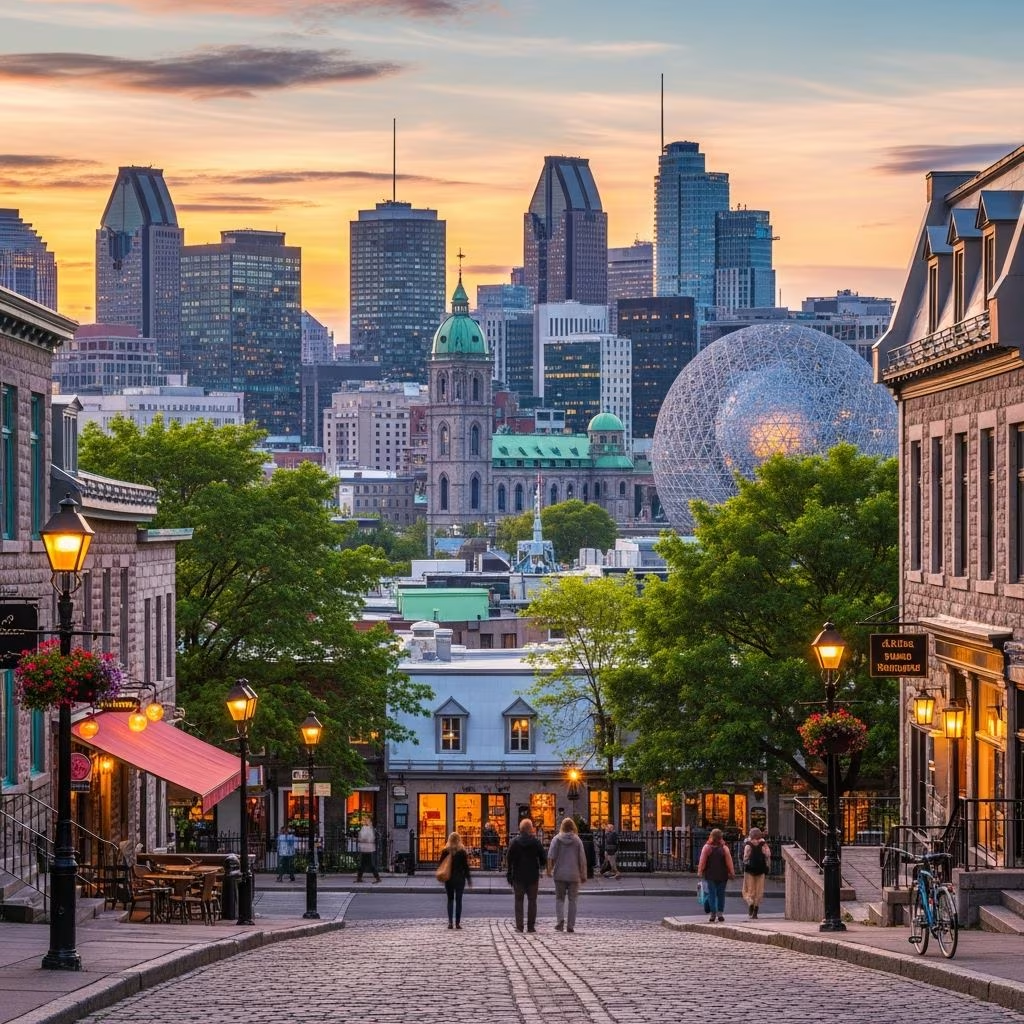
Montreal stands as a distinctive North American destination that seamlessly blends European architectural charm with contemporary urban vitality. The city’s identity is shaped by its bilingual heritage, vibrant cultural landscape, and historical significance as one of the world’s major French-speaking centers outside of France. Before embarking on a Montreal adventure, travelers should familiarize themselves with what makes this city distinctive and how to navigate its unique attributes effectively.
One of the most critical factors for Montreal visitors involves understanding the city’s dramatic seasonal variations. The metropolitan area experiences a continental climate with pronounced temperature extremes between seasons. Winter months, particularly January and February, bring severe cold conditions with wind-chill temperatures potentially reaching -40°C, accompanied by substantial snowfall and icy surfaces. The city transforms into a winter landscape where residents adopt extensive layering strategies and move quickly between heated indoor spaces.
Rather than spending entire winters in underground passageways—a common misconception—Montrealers navigate the cold through practical strategies including the city’s connected underground network that links downtown shopping centers and office buildings. This underground system provides climate-controlled passage but represents only one adaptation method rather than the primary winter survival mechanism.
For most visitors, early summer and fall months offer optimal visiting conditions. During these seasons, temperatures remain moderate and comfortable, allowing for outdoor exploration without weather-related discomfort. Spring months can still present unpredictable conditions, while late autumn brings crisp but manageable weather perfect for urban exploration and outdoor activities.
Planning adequate time represents a crucial component of trip preparation. While Montreal offers endless attractions, most travel experts recommend allocating at least three days for a foundational visit. This timeframe allows travelers to explore major neighborhoods, experience cultural highlights, and absorb the city’s distinctive atmosphere without feeling rushed. Visitors with extended timeframes can delve deeper into specialized interests such as museum collections, local markets, and neighborhood-specific experiences.
A three-day minimum enables visitors to tackle Old Montreal’s historical districts, experience the city’s culinary scene, explore cultural venues, and enjoy outdoor spaces. Those with additional time can investigate less-visited neighborhoods, attend festivals, or develop deeper connections with local communities.
Montreal’s geographic orientation differs from typical North American cities in notable ways. The city employs a unique directional system where east and west designations don’t correspond to standard cardinal directions. Understanding this alternative orientation prevents confusion when following directions or using navigation applications. Local residents operate comfortably within this system, and visitors quickly adapt by consulting maps and asking for clarification when needed.
The city divides into distinct neighborhoods, each offering particular attractions and experiences. Old Montreal represents the city’s historic heart, featuring cobblestone streets, heritage buildings, and proximity to waterfront areas. Downtown provides modern urban attractions, shopping districts, and business centers. The Plateau Mont-Royal offers bohemian charm with vintage boutiques, cafes, and artistic communities. Mile End presents trendy cafes and cultural venues popular with creative residents. Mont Royal itself functions as a natural escape featuring parks, hiking trails, and panoramic city views.
Montreal provides extensive and economical public transportation networks that residents and visitors utilize effectively. The subway system operates from 5:30 AM until 12:30 AM, covering major destinations across the metropolitan area. Public transit represents a significantly cheaper alternative to personal vehicle rentals or frequent taxi usage, making it the practical choice for most travelers.
Beyond subway systems, Montreal offers integrated bus networks and transportation connections. The city’s walkability enables pedestrians to explore neighborhoods on foot, discovering street-level details and local establishments that vehicular transport often obscures. Many central neighborhoods feature pedestrian-friendly infrastructure with sidewalks, crossings, and traffic management systems designed for safe foot travel.
A distinctive Montreal feature involves the extensive underground walking system filled with shops and boutiques. This subterranean network provides climate-controlled passage through downtown areas during harsh winter months while offering shopping and dining opportunities. Discovering underground passages becomes a practical and entertaining aspect of Montreal navigation.
Montreal’s status as a bilingual city with predominantly French-speaking residents shapes visitor interactions and cultural experiences. While French represents the primary language, Montreal functions as a cosmopolitan center where people from Asian, European, Latin American, and other cultural backgrounds create a multilingual environment. English speakers can navigate the city, though making efforts to use French phrases demonstrates respect for local culture and often enhances interactions with residents.
Many establishments display menus and signage in both languages. Visitors unfamiliar with French can utilize translation applications or request English assistance in most commercial establishments. Learning basic French courtesies improves the travel experience and facilitates smoother communication.
Montreal maintains a reputation as Canada’s premier foodie destination, featuring exceptional restaurants offering diverse international cuisines alongside local specialties. The city’s restaurant scene encompasses fusion cuisine, hidden neighborhood gems, and acclaimed fine dining establishments. Food represents not merely sustenance but a central component of Montreal’s cultural identity.
Local specialties worth experiencing include Montreal bagels—distinctive hand-rolled bagels with unique flavor profiles—and poutine, a Quebec classic combining fries, gravy, and cheese curds. Jean-Talon Market represents one of the largest open-air markets in the city, offering local produce, artisanal products, and culinary experiences that connect visitors with regional food culture. Weekend visits to this market attract both tourists and locals seeking fresh ingredients and seasonal specialties.
Several landmarks define Montreal’s historical and cultural landscape. The Basilique Notre-Dame stands as an iconic religious structure and architectural masterpiece located in Old Montreal. This magnificent basilica attracts visitors interested in religious history, architectural design, and cultural heritage. St. Joseph’s Oratory holds distinction as Canada’s largest church, representing another significant religious and architectural site.
Place Jacques-Cartier functions as a historic square connecting City Hall to the waterfront along the Lawrence River. For centuries, this location served as a meeting place for locals and travelers, and today it thrives as a cultural hub filled with musicians, artists, and market stalls offering atmospheric experiences.
The Montreal Museum of Fine Arts and the McCord Museum serve art and history enthusiasts through extensive collections. The Pointe-à-Callière Museum and Château Ramezay provide deep historical context for understanding Old Montreal’s development and significance.
Montreal’s outdoor offerings extend beyond typical urban parks. Mount Royal Park, designed by the architect of New York’s Central Park, provides an authentic nature experience within city boundaries. The park attracts diverse recreational users including bikers, runners, dog walkers, and people seeking leisure time. Summer months draw crowds of residents tanning and enjoying outdoor activities, while Sundays represent the busiest visitor days.
The park encompasses tennis courts, volleyball areas, baseball fields, and multiple recreational facilities within convenient walking distance. Hiking and cycling trails wind through the park offering cardiovascular exercise combined with scenic viewpoints. The space functions as a genuine escape from urban density while maintaining proximity to city attractions.
The Old Port waterfront area provides scenic walkways alongside the Lawrence River, offering leisurely strolls and recreational opportunities. These waterfront spaces connect visitors to Montreal’s maritime history while providing contemporary recreational amenities.
Montreal’s calendar overflows with seasonal festivals and cultural events. Montreal en Lumière represents a significant winter festival showcasing artistic performances, culinary experiences, and light installations. This event transforms the winter season into a celebration of creativity and community engagement.
The city’s vibrant arts scene encompasses numerous galleries, performance venues, and creative communities distributed throughout neighborhoods. Experiencing Montreal’s cultural vitality involves exploring art galleries on St-Paul and Notre-Dame Streets in Old Montreal, attending live performances, and engaging with creative communities that define the city’s contemporary identity.
Families planning Montreal visits discover numerous age-appropriate attractions. The Montreal Museum of Fine Arts offers educational programming alongside visual art experiences. The Biodome provides interactive experiences exploring different ecosystems and animal life. The Science Center delivers hands-on learning opportunities suitable for children and teenagers. These institutions combine educational content with entertainment value, making them popular family destinations.
Montreal’s shopping landscape reflects its fashion-conscious identity as the fashion capital of Canada. The city boasts numerous vintage boutiques distributed throughout neighborhoods, attracting style-focused visitors. From high-end designer establishments to independent vintage shops, retail options accommodate diverse preferences and budgets. The underground shopping network provides climate-controlled retail access during winter months while offering contemporary commercial experiences.
Montreal maintains a reputation as a very walkable and safe city for visitors. The generally secure urban environment enables tourists to explore neighborhoods with confidence, though standard urban safety practices apply. Public transportation networks operate safely, and residents actively use these systems, creating well-populated transit environments.
Early summer and fall offer optimal conditions with moderate temperatures and comfortable weather for outdoor exploration. Winter brings extreme cold and snow, while spring presents unpredictable conditions.
A minimum of three days allows adequate time for exploring major neighborhoods, experiencing cultural highlights, and absorbing the city’s atmosphere.
While French is the predominant language, Montreal’s cosmopolitan nature and tourism infrastructure means English speakers can navigate the city. Learning basic French phrases enhances interactions and shows cultural respect.
Public transportation including the subway and bus systems offers economical and efficient movement throughout the city. Many neighborhoods are also highly walkable, allowing pedestrian exploration.
Montreal bagels, poutine, and local market specialties represent quintessential experiences. The city’s diverse restaurant scene offers international cuisines and acclaimed fine dining establishments.
