

 Travel Essentials
 Travel Essentials

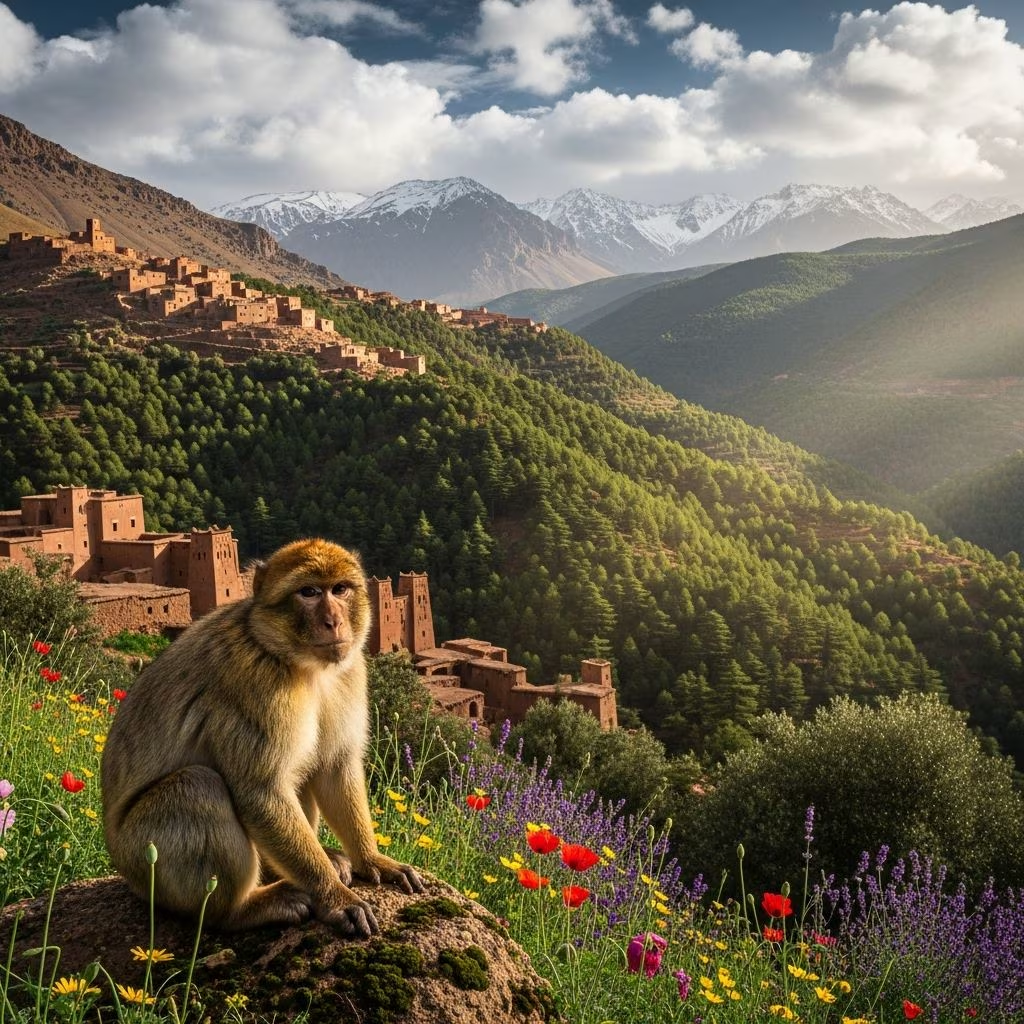
Explore the Middle Atlas region featuring Roman archaeological sites, Barbary Macaques, cedar forests, and traditional cave dwellings in Berber villages.
 Travel Essentials
Nestled between the Rif Mountains to the north and the Sahara to the south, Morocco’s Middle Atlas represents one of North Africa’s most captivating yet underexplored regions. This mountainous landscape offers travelers an extraordinary combination of natural wonders, historical significance, and authentic cultural experiences that extend far beyond the well-trodden paths of Marrakech and Fes. The region seamlessly blends environmental conservation efforts with archaeological importance, creating a destination that appeals equally to wildlife enthusiasts, history buffs, and those seeking genuine encounters with local communities.
The Middle Atlas occupies a strategic position within Morocco’s mountain system, characterized by rolling terrain, dense forests, and high-altitude plateaus. The region’s elevation, ranging from 3,000 to 4,100 feet above sea level, creates a climate distinct from Morocco’s arid plains, supporting unique ecosystems and agricultural practices. This elevation difference explains why certain areas have earned comparisons to Alpine European landscapes, attracting visitors seeking cooler mountain air and verdant scenery.
Accessibility from major cities like Fes makes the Middle Atlas an ideal destination for day trips or extended stays. The region’s road network, though winding through mountainous terrain, connects numerous villages and natural attractions, allowing visitors to structure journeys according to their interests and available time.
Among the Middle Atlas’s most compelling attractions is its population of Barbary Macaques, one of the world’s rarest primates. These remarkable animals, belonging to the macaque family and locally known as magots, represent a living connection to primate species typically found in Asian regions. The presence of approximately 6,000 Barbary Macaques in Morocco’s mountains, with the highest concentration residing around the town of Azrou, makes this region a critical habitat for species conservation.
Barbary Macaques possess distinctive physical characteristics and social behaviors that captivate observers. These medium-sized primates, adapted to mountain environments, demonstrate complex social hierarchies and familial bonds within their troops. Their playful interactions and acrobatic movements through cedar trees provide memorable wildlife viewing experiences. The Ifrane National Park, which encompasses much of the primary monkey habitat, has been established partly to protect these endangered animals from habitat loss and human encroachment.
Visitors encountering these primates in their natural setting gain appreciation for wildlife conservation challenges. The experience of watching macaques interact within family groups underscores the importance of preserving natural habitats and maintaining ecological balance in regions facing increasing development pressure.
The cedar forests dominating the Ifrane National Park landscape serve both ecological and recreational functions. These ancient trees, some reaching considerable ages, create a visual and atmospheric experience distinct from other Moroccan regions. The forest canopy provides habitat for numerous bird species and smaller mammals while offering shade and cooler temperatures that refresh visitors exploring the woodland trails.
Beyond wildlife habitat, these forests possess cultural significance in Moroccan heritage and traditional resource management. Local communities have historically utilized forest resources sustainably, maintaining ecological balance while meeting livelihood needs. Contemporary conservation approaches build upon these traditional knowledge systems while implementing modern protective measures.
The Middle Atlas region preserves significant archaeological sites that illuminate Morocco’s Roman history. These ruins represent important cultural heritage, documenting periods when Roman civilization extended across North Africa. Archaeological sites within the region feature well-preserved mosaics, architectural remains, and infrastructure elements that transport visitors backward through centuries of human habitation and development.
| Feature | Significance | Visitor Experience |
|---|---|---|
| Floor Mosaics | Artistic and daily life documentation | Detailed observation of ancient craftsmanship |
| Roman Arches | Architectural engineering examples | Photography and structural appreciation |
| Ancient Roads | Trade and military route indicators | Walking historic pathways |
| Settlement Remains | Habitation pattern understanding | Contextual site exploration |
These archaeological treasures represent Morocco’s best-preserved Roman sites, making them essential destinations for history-focused travelers. Professional guides provide context and historical interpretation that transforms ruins into tangible connections with ancient civilizations.
Throughout the Middle Atlas, Berber communities maintain traditional lifestyles that have endured for generations. These villages offer visitors genuine opportunities to observe daily practices, agricultural methods, and social structures that define rural Moroccan culture. The warmth and hospitality extended by Berber families create memorable cross-cultural exchanges that statistics and guidebooks cannot adequately convey.
Visitors engaging with these communities gain insight into sustainable living practices and resourcefulness in managing mountain environments. Authentic experiences—sharing tea with families, observing craft production, or participating in agricultural activities—foster understanding beyond superficial cultural tourism.
One of the region’s most distinctive features is the prevalence of cave dwellings, particularly in villages like Bhalil. These structures, some dating back to the 4th century, demonstrate long-standing human adaptation to geographic and climatic conditions. For centuries, shepherds and farmers utilized these natural cavities, which provide natural insulation and protection from harsh mountain weather.
Contemporary residents have transformed basic cave shelters into comfortable modern homes, showcasing how traditional architecture integrates with modern living requirements. Some families maintain ancestral caves as secondary residences or storage facilities while inhabiting new structures. This blend of historic preservation and contemporary development creates unique architectural landscapes where past and present coexist visibly.
Traditional cave dwellings feature natural ventilation systems, stable interior temperatures, and structural integrity refined through centuries of habitation. Modern occupants have installed electricity, running water, and insulation improvements while maintaining exterior authenticity. These modifications reflect practical responses to comfort expectations while preserving cultural heritage and architectural continuity.
Beyond primates and archaeology, the Middle Atlas supports diverse avian populations that attract ornithology enthusiasts and casual birdwatchers alike. Lake systems scattered throughout the region provide breeding grounds and migratory stopping points for numerous species. Dayet Aoua, Dayet Ifrah, and Dayet Hechlaf represent significant wetland habitats supporting red kites, booted eagles, coots, marbled teals, and woodpeckers among other species.
The lake shorelines facilitate gentle hiking and mountain biking opportunities, combining outdoor recreation with wildlife observation. Seasonal variations affect bird populations and species diversity, encouraging repeat visits during different times of year to observe varied assemblages of species.
Visitors approaching the Middle Atlas should consider their specific interests when structuring visits. Those prioritizing wildlife encounters may focus on Ifrane National Park and cedar forest exploration. History-focused travelers might allocate time to archaeological sites requiring guided interpretation. Cultural experiences demand flexibility and willingness to engage respectfully with communities.
The region offers diverse lodging choices accommodating various budgets and preferences. Rustic guesthouses provide authentic experiences and support local economies. Mid-range hotels in towns like Ifrane and Azrou offer comfort and convenient access to attractions. Some visitors arrange homestays with Berber families, enabling immersive cultural participation and meaningful personal connections.
What is the best time to visit the Middle Atlas?
Spring and autumn offer optimal combinations of pleasant weather and accessibility, though each season presents distinct advantages depending on specific interests.
How close can visitors approach Barbary Macaques?
Conservation regulations maintain specific distances to minimize wildlife stress. Guided tours ensure compliance with established protocols protecting animal welfare.
Are archaeological sites accessible without guides?
While accessible independently, professional guides dramatically enhance understanding and interpretation of historical significance and architectural details.
What languages are spoken in remote villages?
Berber (Amazigh) is primary, with Arabic and French widely understood in tourist areas. Learning basic phrases demonstrates respect and facilitates connections.
Can solo travelers safely explore the region?
Yes, the Middle Atlas welcomes solo travelers. Joining organized tours provides security and enhanced experiences, though independent travel remains feasible with proper planning.
Engaging respectfully with Berber communities requires cultural awareness and sensitivity. Visitors should seek permission before photographing individuals, participate genuinely in offered experiences rather than treating them as performances, and support local economies by purchasing authentic crafts and services directly from producers. Respecting religious customs, particularly regarding prayer times and gender roles, demonstrates cultural appreciation.
The Middle Atlas represents a compelling destination that transcends typical tourist experiences, offering substantive engagement with wildlife conservation, archaeological heritage, and living cultural traditions. The region’s combination of natural beauty, historical significance, and authentic human connections creates transformative travel experiences. Whether observing endangered primates in cedar forests, exploring Roman archaeological sites, or sharing tea with Berber families in cave dwellings, visitors discover layers of meaning that extend long after departure. The Middle Atlas invites travelers to slow their pace, engage genuinely with place and people, and develop nuanced understanding of Morocco beyond stereotypical perceptions. This remarkable region deserves recognition as a premier destination for culturally conscious and environmentally aware travelers seeking meaningful exploration.
