


 Food & Culture
Food & Culture
Moscow City Market: Finance Meets Food in Moskva-City
A fresh market injects life into Moscow City's towers, blending finance with street food, crafts, and community vibes in Russia's evolving skyline.
 Food & Culture
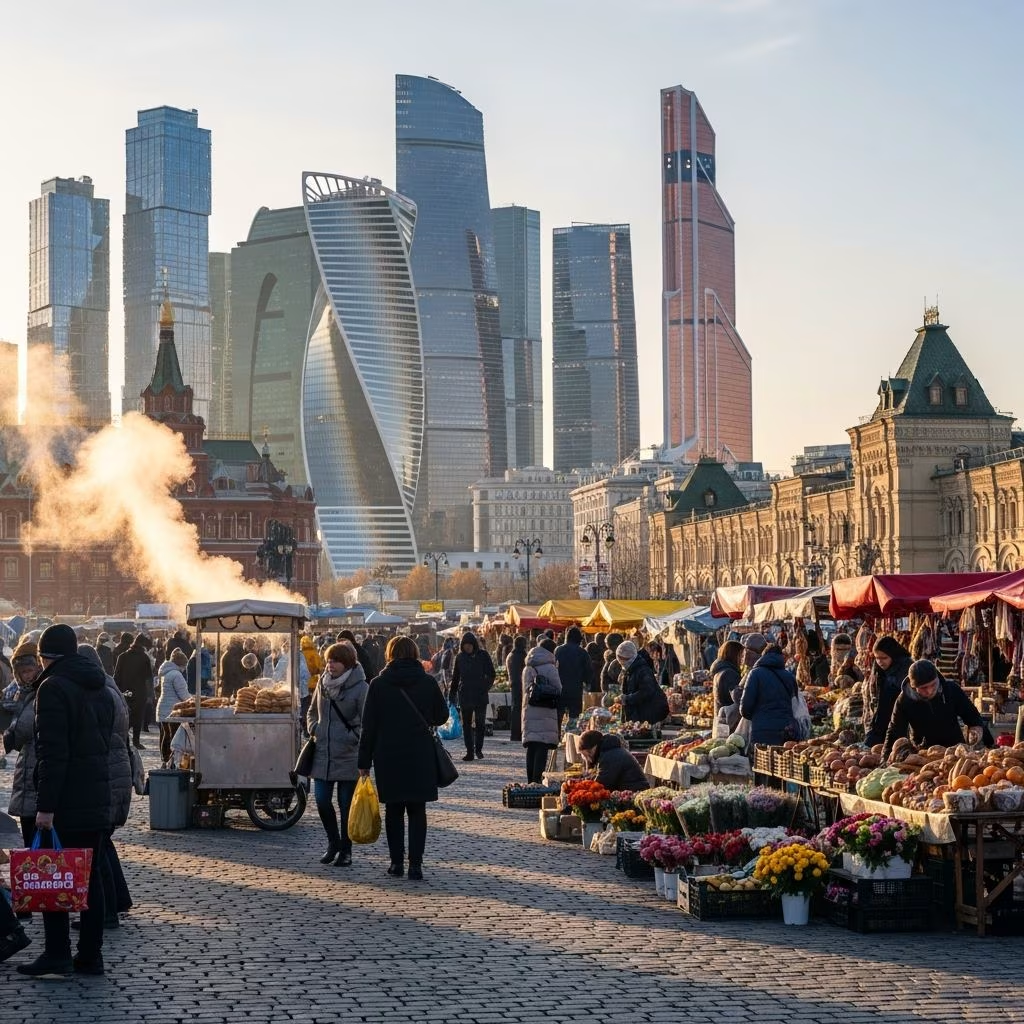
Moscow City, known as Moskva-City, has long symbolized Russia’s ambition to rival global financial powerhouses like Canary Wharf or Manhattan. Conceived in 1992, this high-rise enclave on the edge of the capital was designed to house up to 300,000 people daily across over 4 million square meters of office, retail, and hotel space. Yet, economic challenges have left significant vacancies—up to 45% according to real estate analyses—prompting innovative adaptations like a new market that infuses the area with everyday vitality.
The Rise of a Culinary and Cultural Beacon
At the heart of this transformation stands a newly launched market, turning underutilized spaces into a hub of flavors, crafts, and community interaction. This development counters the district’s initial isolation, just 2.5 miles from the Kremlin but hindered by congested ring roads and incomplete metro links. The market features stalls brimming with fresh produce, artisanal breads, international street foods, and handmade goods, drawing locals and visitors alike. It operates daily, peaking on weekends with live music and pop-up events that echo Moscow’s rich culinary heritage—from hearty borscht to delicate Georgian khachapuri.
This initiative aligns with broader shifts in Moscow, Russia’s chief financial and commercial center, where privatization has spurred banks, securities exchanges, and foreign investment flows. As the transportation nexus, the city supports thriving commerce, now extending to vibrant public markets that modernize the urban experience.
From Skyscrapers to Street-Level Energy
Moscow City’s towers, including the Imperia Tower with its budget hostels on upper floors, were once critiqued for emptiness despite world-class facilities. Low rents have attracted non-financial tenants—58% of recent signings per management data—fostering a ‘high-rise bohemia’ vibe. The market amplifies this by grounding the lofty architecture in accessible, human-scale activities. Vendors offer everything from farm-fresh cheeses and smoked meats to exotic spices and eco-friendly crafts, creating a mosaic of Russian and immigrant influences.
- Fresh Produce Section: Seasonal fruits, vegetables, and herbs sourced from nearby regions, emphasizing sustainability.
- Street Food Zone: Quick bites like shashlik skewers, pelmeni dumplings, and fusion tacos reflecting Moscow’s diverse eateries.
- Artisan Corner: Handcrafted jewelry, textiles, and pottery from local makers.
- Beverage Stands: Craft beers, kvass, and infused teas for a refreshing pause amid the bustle.
These elements not only fill vacancies but humanize the district, appealing to backpackers, office workers, and families seeking affordable leisure.
Navigating the District: Practical Visitor Guide
Reaching Moscow City is straightforward via the ring road, though future metro expansions promise seamless integration. Once there, the market serves as a central anchor, surrounded by panoramic viewpoints from towers like the Federation Tower. Weekday mornings suit quiet shopping, while evenings buzz with after-work crowds enjoying food trucks and performances.
| Day | Hours | Highlights |
|---|---|---|
| Monday-Friday | 10 AM – 8 PM | Business lunches, fresh office snacks |
| Saturday-Sunday | 9 AM – 10 PM | Live demos, family events, extended tastings |
Safety is paramount; the area boasts modern security, and contactless payments dominate stalls. Budget around 500-1500 RUB ($5-15 USD) for a satisfying market haul.
Economic Backdrop: Resilience Amid Global Shifts
Moscow’s financial dominance persists despite geopolitical strains. As of 2026, the economy shows resilience with defense growth, Asian trade pivots, and stabilized ruble via capital controls and bilateral deals. Inflation has moderated, supermarkets stock domestic alternatives, and Moscow-Saint Petersburg life remains stable. Yet, service sectors lag, making adaptive spaces like this market crucial for local vitality.
The district’s evolution mirrors national trends: state enterprises lead strategic industries, Asian FDI rises in infrastructure, and financial sovereignty prioritizes gold reserves over dollar reliance. Markets like this bolster consumer sectors, enhancing purchasing power in urban cores.
Blending Business and Leisure in Towering Heights
Imagine starting your day with coffee from a market stall, then ascending to a high-floor co-working space overlooking the Moscow River. Afternoons might involve client meetings in sleek offices, followed by market dinners. This synergy attracts startups and creatives, diluting the finance-only image. Hostels and budget options make it inclusive, contrasting elite perceptions.
Cultural infusions abound: Tatar sweets, Jewish delis, and Irish pubs echo the city’s 1990s dining boom, now market-fied for accessibility. Future road openings and metro spurs will boost footfall, potentially elevating rents but solidifying the area’s appeal.
Sustainable Practices and Community Impact
The market champions zero-waste initiatives, with compostable packaging and vendor recycling. Local farmers gain direct sales channels, reducing transport emissions. Community workshops teach foraging, pickling, and bread-making, fostering skills amid economic flux. This grassroots energy humanizes skyscrapers, creating pockets of warmth in steel and glass.
Future Prospects: A Global Contender Reimagined
With construction winding down, Moscow City eyes fuller occupancy. The market sets a precedent for mixed-use vibrancy, potentially inspiring similar hubs worldwide. As Russia’s economy pivots—bolstered by non-Western currencies and domestic innovation—the district could reclaim its financial throne while embracing cultural depth.
Frequently Asked Questions
What makes Moscow City’s new market unique?
It combines high-rise prestige with street-level authenticity, offering premium fresh goods in a finance-focused zone.
Is the market accessible for tourists?
Yes, with English signage, affordable prices, and proximity to metro lines; ideal for short visits.
How has the economy affected the area?
Sanctions spurred adaptations like low-rent attractions, turning vacancies into opportunities.
Best time to visit?
Weekends for full energy; aim for spring-fall for outdoor seating.
Are there vegetarian/vegan options?
Abundant: salads, fermented veggies, plant-based blini, and nut cheeses.
Plan Your Visit
Dive into Moscow City’s renaissance via this market—where finance meets flavor. Check seasonal events for festivals, and pair with nearby sights like the Kremlin for a full day.
References
- Moscow’s High Rise Bohemia: The Moscow International Business District with No Business — ArchDaily. 2015-05-12. https://www.archdaily.com/610406/high-rise-bohemia-the-moscow-international-business-district-with-no-business
- Moscow – Financial, Cultural, Education — Encyclopædia Britannica. 2023-10-01. https://www.britannica.com/place/Moscow/Finance-and-other-services
- Moscow City: Russia’s Financial Heart — FTP Bills. 2024-01-15. https://ftp.bills.com.au/lunar-tips/moscow-city-russias-financial-heart-1767648325
- Russia Economy Reshaped by Sanctions and War – Moscow — Brussels Morning. 2026-02-22. https://brusselsmorning.com/russia-economy-2026-moscow/94553/
On This Page
The Rise of a Culinary and Cultural Beacon From Skyscrapers to Street-Level Energy Navigating the District: Practical Visitor Guide Economic Backdrop: Resilience Amid Global Shifts Blending Business and Leisure in Towering Heights Sustainable Practices and Community Impact Future Prospects: A Global Contender Reimagined Frequently Asked Questions Plan Your Visit← Previous
Mozambique Declared Landmine-Free After 22-Year Demining Campaign
Next →
Oxford Street Pedestrianisation Set for Summer 2026
Related Reading
More in Food & Culture
Food & Culture Food & Culture
 Food & Culture
Best Places to Eat in Rome: Neighborhood Dining Guide
 Food & Culture
 Food & Culture