

 Travel Essentials
 Travel Essentials

Survey-backed travel etiquette tips reveal the most annoying habits on planes and trains—and how to be a more considerate traveler.
 Travel Essentials
Traveling opens doors to new experiences, but shared spaces like planes, trains, and hotels can turn paradise into frustration when certain behaviors dominate. Surveys of American travelers highlight recurring irritants that disrupt the peace, from loud conversations to oblivious phone use. Understanding these common grievances empowers you to travel more considerately, fostering harmony among passengers and locals alike.
Airports, flights, and public transport cram diverse personalities into tight spaces, amplifying minor habits into major annoyances. A comprehensive survey pinpointed the behaviors that grate most on nerves, providing data-driven insights into what fellow adventurers find intolerable. By recognizing these patterns, individuals can adjust their actions for collective comfort.
Psychological factors play a role too; confined environments heighten sensitivity to noise and intrusion, turning a forgotten headphone into a symphony of irritation. Cultural differences further complicate matters, as what seems normal in one setting offends in another. Awareness bridges these gaps, transforming potential conflicts into seamless journeys.
Recent polls reveal clear leaders in the annoyance Olympics. Here’s a breakdown of the top habits, complete with percentages from surveyed Americans:
| Rank | Habit | Annoyance Level (%) | Common Scenarios |
|---|---|---|---|
| 1 | Noisy travelers | 57% | Loud talking on planes, shouting in quiet zones |
| 2 | Glued to devices | 47% | Screens blasting audio without headphones |
| 3 | Insensitive to culture | 46% | Ignoring local customs, loud in sacred sites |
| 4 | Chatty seatmates | ~40% | Non-stop talking despite cues |
| 5 | Overly intrusive questions | ~35% | Prying into personal travel plans |
These figures underscore noise as the paramount issue, affecting over half of respondents. Device usage follows closely, reflecting our screen-saturated era.
Excessive volume tops the list at 57%, manifesting in booming phone calls mid-flight or boisterous groups in hostels. Sound travels easily in enclosed areas, invading personal bubbles and disrupting rest. Sleep-deprived travelers amplify the cycle, as fatigue lowers tolerance thresholds.
To counter this, adopt the ‘whisper rule’: if you wouldn’t say it in a library, save it for later. Noise-canceling headphones help others cope, but prevention starts with self-awareness. In international settings, research ambient norms—many cultures prize silence in transit.
Forty-seven percent decry travelers fixated on devices, especially when audio leaks unchecked. Bright screens in dim cabins blind neighbors, while tinny videos pierce the calm. This habit ignores communal courtesy, prioritizing personal entertainment over group serenity.
Simple fixes include packing headphones and enabling airplane mode’s silent features. Dim screens and avoid reflections. For families, preload kid-friendly content offline to preempt meltdowns.
Pro Tip: Treat your device like a personal theater—keep the show private.
Ranking third at 46%, cultural insensitivity alienates hosts and companions. Behaviors like photographing without permission or dressing inappropriately offend deeply. In diverse destinations, ignorance fuels tension, undermining global goodwill.
Preparation is key: study dress codes, gestures, and taboos via embassy sites or travel advisories. Engage locals politely, asking before snapping pics. This not only avoids annoyance but enriches your experience through authentic connections.
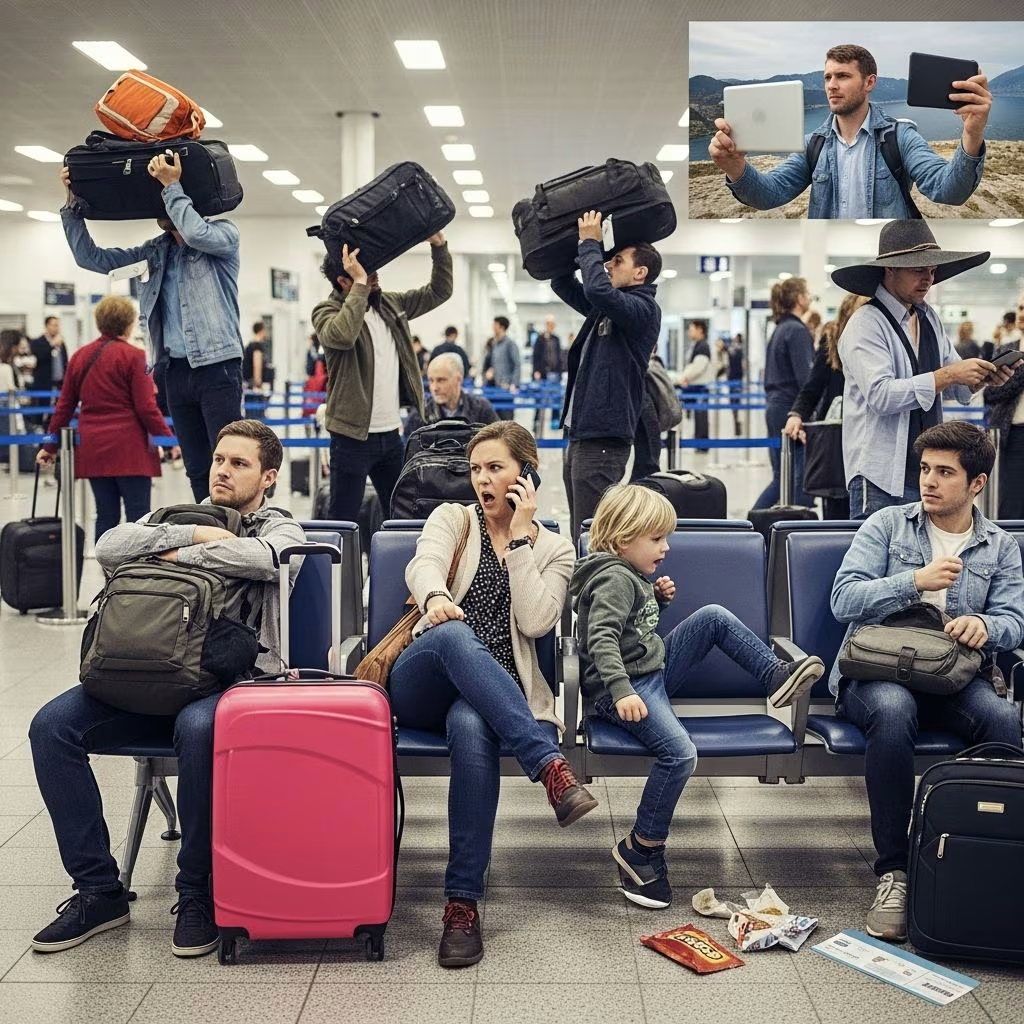
Beyond the top three, chatty neighbors irk many, forcing unwanted dialogues during downtime. Intrusive queries about budgets or itineraries invade privacy. Luggage hogs blocking aisles and slow walkers congesting terminals round out the list.
Reclaim space by stowing bags promptly and yielding paths. For conversations, read body language—headphones signal ‘do not disturb.’ Politely redirect chatty types: ‘I’m catching up on reading, but nice to meet you.’
Avoiding annoyance requires proactive habits. Start with a personal audit: observe your actions through others’ eyes. Pack essentials like headphones, tissues, and sanitizers to handle mishaps gracefully.
In groups, designate a ‘harmony lead’ to remind everyone of etiquette. Apps tracking noise levels or cultural guides enhance mindfulness on the go.
Consider the family blasting cartoons sans headphones on a red-eye flight—surrounding passengers seethed silently. Contrast with the solo traveler offering earplugs, earning smiles. Stories from forums echo these: a tourist yelling in a temple drew glares, while a quiet observer blended seamlessly.
Packing disasters compound issues, like oversized bags tripping others. Limit souvenirs to fit luggage, opting for experiences over clutter.
Annoyances vary by region. Europeans often cite queue-jumping, Asians value personal space more. Align with local expectations: in Japan, silence reigns on trains; in Latin America, warmth trumps reserve.
Cross-cultural training via official tourism boards equips you. The U.S. State Department offers etiquette primers for 200+ countries, invaluable for smooth sails.
Apps promise efficiency but breed new irritants: constant notifications chiming aloud, GPS voices blaring. Mitigate by muting non-essentials. Streaming services tempt volume spikes—download instead.
Emerging tech like silent subtitles on flights could revolutionize etiquette, per aviation innovators.
Kids amplify habits: tantrums echo loudly, toys scatter. Prepare distractions, snacks, and routines. Teach etiquette early—’inside voices’ become habit. Groups must coordinate to avoid herd-like disruptions.
| Challenge | Solution |
|---|---|
| Restless children | Screen-free activities, comfort items |
| Group noise | Pre-trip etiquette huddle |
| Luggage chaos | Assign bag monitors |
Chronic annoyances spike stress hormones, souring vacations. Studies link poor flight etiquette to heightened anxiety. Conversely, considerate acts boost endorphins, enhancing bonds.
Mindfulness apps train focus amid chaos, reframing irritants as temporary.
Post-pandemic hygiene lingers as a new norm, with mask etiquette evolving. Sustainable travel demands quiet respect for nature—loud tours disturb wildlife. Airlines experiment with ‘quiet zones’ and premium silence cabins.
Generational shifts: Gen Z prioritizes inclusivity, shunning insensitive acts.
Check space first; communicate if needed. Short flights favor upright courtesy.
Headphones or relocation beat confrontation. Alert crew for serious issues.
Observe and mimic locals. Apologize sincerely if mistaken.
Noise-canceling over-ears block worlds effectively.
Opt for non-odorous choices; save strong flavors for lounges.
Mastering etiquette elevates trips from tolerable to transcendent. Small adjustments yield big rewards in goodwill and memories. Commit to courtesy—your fellow travelers will thank you.
