

 Travel Essentials
 Travel Essentials

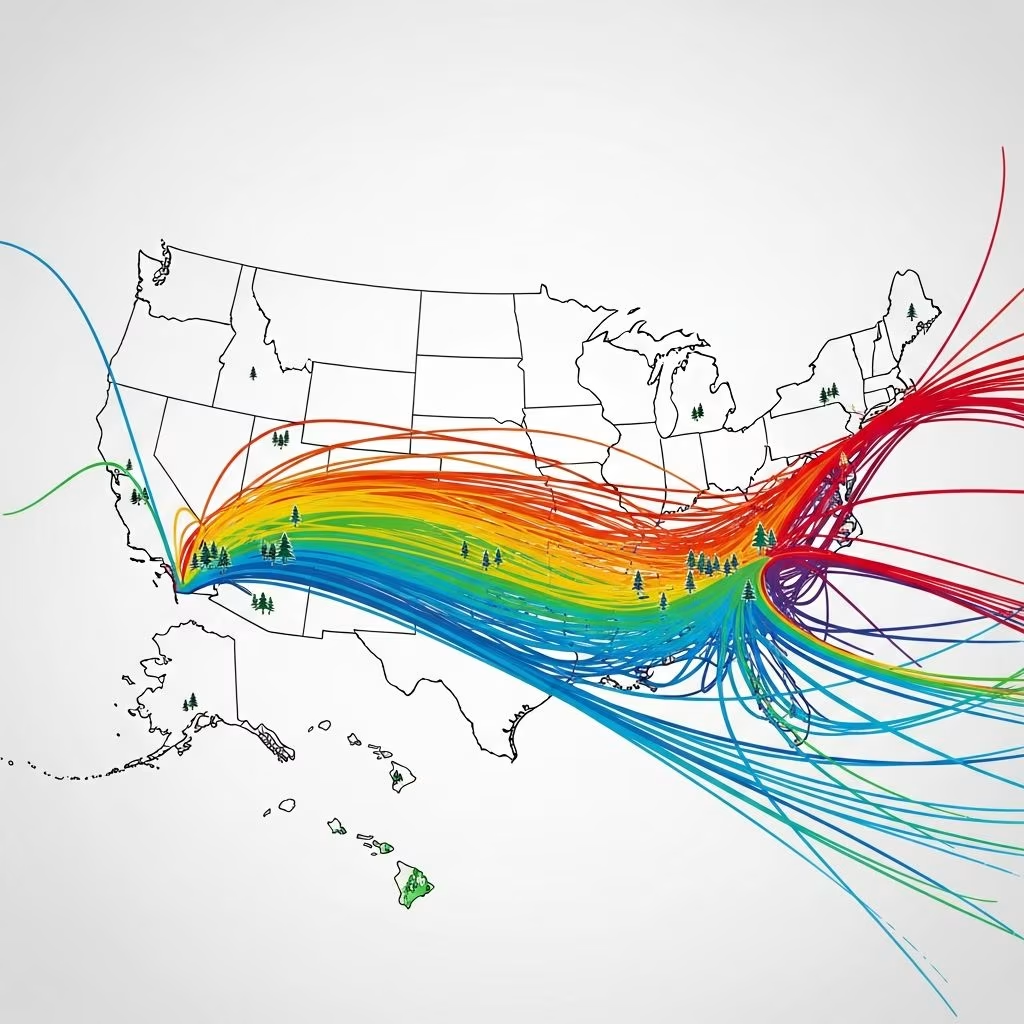
Explore comprehensive data on national park visitation trends, identifying the most popular destinations and lesser-known alternatives for travelers seeking diverse experiences.
 Travel Essentials
The United States’ collection of national parks represents one of the most spectacular outdoor recreation systems in the world, offering diverse landscapes ranging from dramatic canyons to pristine alpine wilderness. As visitation to these protected areas continues to reach unprecedented levels, understanding traffic patterns has become increasingly important for both park management and travel planning. In 2024, the National Park Service recorded over 331.9 million recreation visits across more than 400 sites nationwide, representing a historic high for the system. This growth in popularity means that some parks experience significantly different levels of congestion than others, creating vastly different visitor experiences depending on when and where travelers choose to explore.
National park popularity varies dramatically across the system, with visitation concentrated in a relatively small number of flagship destinations while many parks remain relatively quiet. This disparity stems from multiple factors including geographic accessibility, proximity to major population centers, park size, and the types of attractions each location offers. Understanding these patterns provides valuable insights for travelers making decisions about where to spend their time and for park administrators managing resources and infrastructure.
The concentration of visitors at popular parks creates both opportunities and challenges. While some travelers specifically seek the social experience and established facilities of heavily visited destinations, others prefer more solitary outdoor experiences. Seasonal variations also significantly influence crowd levels throughout the year, with peak summer months and autumn leaf-peeping seasons drawing particularly large numbers at certain parks.
A clear hierarchy emerges when examining national park visitation data. The following parks consistently attract the largest number of annual visitors:
Great Smoky Mountains National Park stands apart as the system’s most visited destination, receiving more than double the annual visitors of any other park. Located along the Tennessee-North Carolina border, this massive protected area spans over 500,000 acres and offers something for virtually every visitor type. The park’s appeal stems from its accessibility—there is no entrance fee, and the location positioned between major metropolitan areas in the Southeast provides geographic advantage. The park features biodiverse forests containing over 1,600 species of flowering plants, historic Appalachian homesteads, and abundant wildlife including black bears.
Peak visitation at Great Smoky Mountains occurs during summer vacation periods and especially during autumn when fall foliage attracts leaf-peeping enthusiasts. However, this popularity creates significant challenges for maintaining the park’s natural character and visitor safety. Parking challenges, crowded trailheads, and congested roads during peak season are common complaints from visitors seeking a quieter experience.
Below Great Smoky Mountains, several major western parks compete for the second tier of visitation. Zion, Grand Canyon, and Yellowstone each receive approximately 4.7 to 4.9 million annual visitors, making them substantial destinations in their own right. These parks benefit from iconic landscapes—the towering red rock formations of Zion, the vast geological wonder of the Grand Canyon, and Yellowstone’s geysers, hot springs, and abundant wildlife. The concentration of visitors at these particular parks reflects their status as quintessential American destinations, often included in national travel itineraries and family vacations.
While visitation statistics provide a baseline understanding of park popularity, raw visitor counts tell only part of the story. A crucial distinction exists between total visitation numbers and actual crowding intensity. Parks with fewer total visitors but smaller geographic areas may feel more crowded than parks receiving higher visitor counts across vast acreage.
The concept of “crowd factor” helps clarify this relationship. A park’s crowding intensity depends on the ratio of visitors to available space and recreational opportunities. Gateway Arch and Hot Springs National Parks, despite not ranking at the top in raw visitation numbers, actually represent among the most crowded parks when accounting for their small footprints and concentrated visitation. Similarly, Bryce Canyon, Acadia, Cuyahoga Valley, and Virgin Islands National Parks experience relatively intense crowding despite receiving fewer total visitors than the mega-parks.
| Park Name | Annual Visitors (2024) | Actual Crowding Level |
|---|---|---|
| Great Smoky Mountains | 12.2 million | High (distributed across large area) |
| Gateway Arch | ~2 million | Very High (tiny footprint) |
| Acadia | 3.9 million | High (medium-sized park) |
| Bryce Canyon | ~1.5 million | High (concentrated at rim) |
| Mount Rainier | 1.6 million | Moderate (large park area) |
The opposite end of the visitation spectrum reveals remarkable parks that receive minimal crowds while offering exceptional landscapes and recreational opportunities. These parks often present ideal options for travelers seeking solitude and unobstructed access to natural features:
The low visitation at these parks results from various factors. Geographic remoteness plays a significant role, particularly for Alaskan parks like Gates of the Arctic and Kobuk Valley, which require substantial travel commitment and expense to access. Some lesser-visited parks suffer from lower awareness and marketing compared to flagship destinations. Additionally, certain parks offer specialized experiences rather than broad appeal—Black Canyon of the Gunnison’s narrow canyon focus appeals to specific visitor interests, while Great Basin’s high elevation and remote location limit accessibility.
Temporal factors significantly influence crowding at national parks. Summer vacation periods from July through August represent peak visitation at most parks, as families prioritize outdoor adventures during school breaks. Fall foliage season, particularly September through October, drives substantial increases in visitation to parks in temperate regions, especially Great Smoky Mountains where autumn colors attract international tourists.
Winter presents a contrasting pattern. Many parks in northern regions experience dramatic visitation drops as snow and cold limit accessibility and appeal for many casual visitors. However, some parks attract winter enthusiasts for skiing, snowshoeing, and winter wildlife viewing. Spring offers a sweet spot at many destinations—moderate temperatures, wildflower blooms, and lower crowds compared to summer and fall make it an attractive alternative for planning visits.
Understanding visitation patterns enables travelers to make informed decisions about when and where to visit national parks. Several strategies help optimize park experiences:
The significant concentration of visitation at popular parks creates substantial management challenges. High-traffic parks require continuous maintenance of trails, facilities, and roads that experience accelerated wear from heavy use. Parking limitations at popular locations have become critical bottlenecks, forcing parks to implement shuttle systems and reservation requirements. Resource preservation becomes increasingly difficult as park ecosystems face impacts from millions of annual visitors.
Conversely, lesser-visited parks often struggle with budget constraints and limited infrastructure development due to lower visitation levels. This creates a challenging paradox where the parks most capable of handling visitation often receive the most visitors, while quieter parks lack resources for facility improvements that might attract more visitors.
Great Smoky Mountains National Park consistently ranks as the most visited national park in America, with over 12 million annual visitors. This substantial lead reflects the park’s accessibility, lack of entrance fee, proximity to major population centers, and diverse attractions.
Gates of the Arctic, North Cascades, and Kobuk Valley National Parks rank among the least visited, receiving fewer than 20,000 annual visitors due to remote locations and limited accessibility.
Spring (April-May) and early fall (September) typically offer lower crowds compared to summer and peak autumn foliage season. Weekday visits during shoulder seasons provide the quietest experience at popular destinations.
Yes, park size substantially influences crowding. Smaller parks with high visitation feel more crowded than larger parks with equivalent visitor numbers. Gateway Arch, despite receiving fewer total visitors than major parks, ranks among the most crowded when accounting for its small footprint.
Free or low-cost parks generally attract higher visitation. Great Smoky Mountains’ free entrance policy contributes significantly to its position as the most visited park.
The diversity of America’s national park system means options exist for every traveler preference. Those seeking iconic landscapes and robust facilities should consider major parks despite crowds, while adventure seekers preferring solitude can discover extraordinary wilderness at lesser-visited destinations. By understanding visitation patterns, seasonal variations, and crowding factors, travelers can design park visits that align with their individual preferences and tolerance for other visitors. Whether pursuing the quintessential American road trip experience or seeking pristine wilderness solitude, strategic planning based on reliable visitation data enables the most rewarding national park experiences possible.
