 Stays
StaysStays
Mount Fuji Hotel Offers Free Return Stay If the Peak Is Hidden
Explore Hotel Mt. Fuji's unique policy offering free stays if clouds block Mount Fuji views, alongside the best accommodations and strategies for seeing Japan's iconic peak despite unpredictable weather.
 Stays
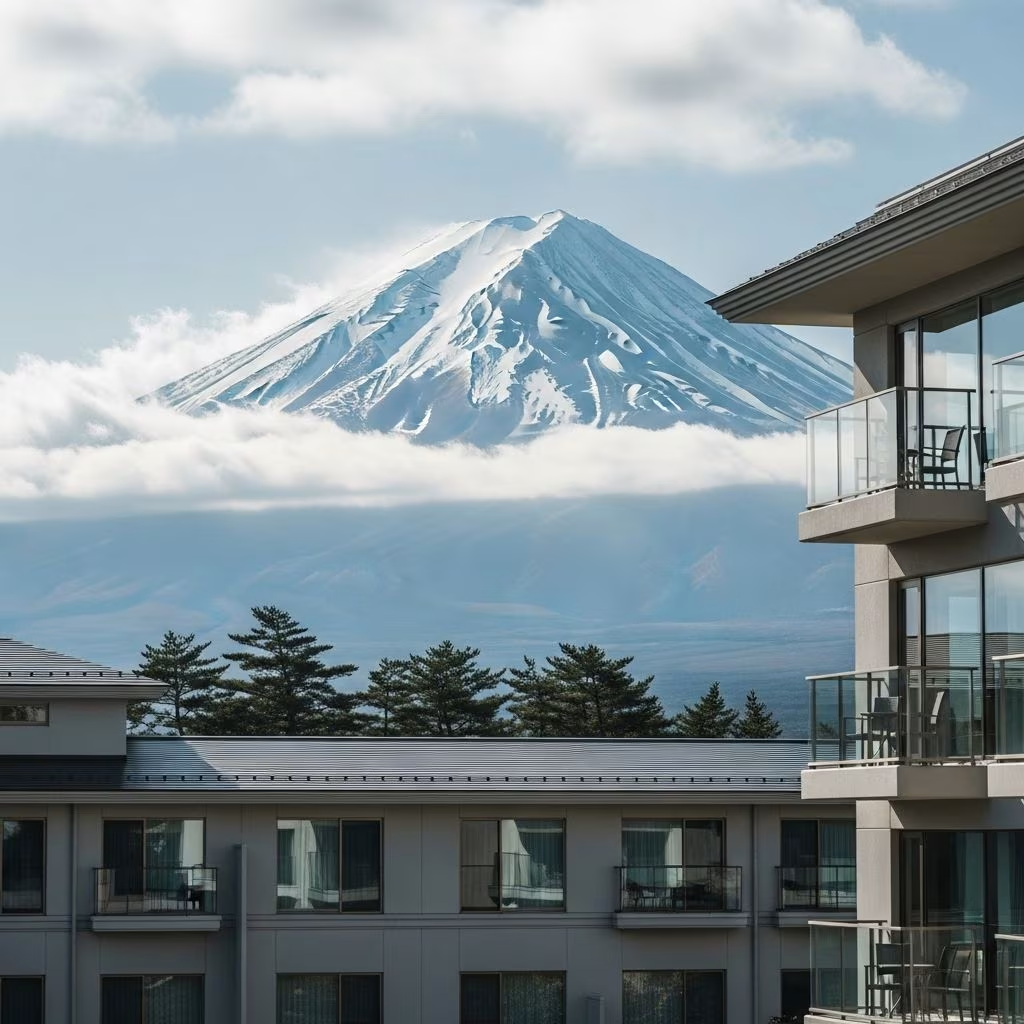
StaysTravelers flock to Mount Fuji for its breathtaking presence, but frequent cloud cover can obscure the view, leaving many disappointed. One innovative hotel addresses this by offering a free future stay if the peak remains hidden during your visit, providing a safety net for nature enthusiasts planning their Japan adventure.
Understanding Mount Fuji’s Unpredictable Skies
Mount Fuji, Japan’s highest peak at 3,776 meters, draws millions annually, yet its visibility hinges on weather patterns. Summer climbing season from July to September sees clearer skies, but even then, clouds often cap the summit. Winter brings snow but frequent fog, while spring and autumn offer prime viewing windows with lower precipitation. Data from meteorological stations around Yamanashi and Shizuoka prefectures indicate visibility rates hover around 30-50% on any given day, emphasizing the need for flexible planning.
Key factors influencing visibility include seasonal winds, typhoon remnants, and local microclimates near the Fuji Five Lakes. Lake Yamanaka, for instance, experiences lake-effect clouds that can linger, particularly in mornings. Travelers report success by timing visits for early mornings or late afternoons when thermal inversions lift fog.
The Game-Changing Free Stay Policy at Hotel Mt. Fuji
Located in Yamanakako-mura overlooking Lake Yamanaka, Hotel Mt. Fuji has implemented a customer-friendly policy to combat disappointment. Active seasonally from January 9 to 19, it promises a complimentary return night if guests cannot see the mountain’s peak for at least one continuous minute between check-in and check-out due to clouds or snow.
- Eligibility requires checking out between 7-11 a.m. to allow sufficient daylight observation.
- Advance bookings are mandatory; same-day or walk-in arrivals do not qualify, preventing abuse.
- The free night applies to a standard two-person room, with upgrades available for a fee.
This policy not only builds loyalty but encourages repeat visits during clearer periods. Guests appreciate the transparency, as the hotel verifies visibility via guest-submitted photos or staff logs. It’s a model for weather-dependent destinations worldwide.
Prime Locations for Reliable Fuji Sightings
Beyond Hotel Mt. Fuji, the Fuji Five Lakes region—Kawaguchiko, Yamanakako, Saiko, Shoinoko, and Motosuko—offers diverse vantage points. Kawaguchiko stands out for its infrastructure, with stations, buses, and bike rentals facilitating exploration.
| Area | Best For | Visibility Tips |
|---|---|---|
| Lake Kawaguchiko | Hotels with onsens and views | North shore for inverted Fuji reflections |
| Lake Yamanaka | Wind sports, Hotel Mt. Fuji | Avoid windy days for calmer waters |
| Oishi Park (Kawaguchiko) | Lavender fields, cafes | Spring blooms enhance photos |
| Chureito Pagoda | Iconic red pagoda frames | Skip rainy season (June-July) |
Each lake provides unique perspectives: Yamanaka for expansive water views, Kawaguchiko for accessibility. Public transport like the Fujikyuko Line connects Tokyo to these spots in under two hours.
Top Accommodations with Guaranteed or Flexible Views
Selecting the right stay maximizes chances of glimpsing Fuji. Prioritize properties with north-facing rooms and high floors.
Budget Options
- K’s House Mt. Fuji: Hostel near Kawaguchiko Station with dorms and privates, shared kitchen, and bike rentals. Ideal for backpackers.
- Hostel Fujisan YOU: Walking distance to station, free bikes, clean facilities.
- Fujisan Station Hotel: Affordable near transit hubs, basic amenities.
Mid-Range Comfort
- Kawaguchiko Hotel: Historic spot with onsen baths and lake proximity.
- Highland Resort Hotel & Spa: Adjacent to Fuji-Q Highland amusement park, spacious rooms with mountain vistas.
Luxury Escapes
- Hoshinoya Fuji: Glamping cabins with private decks overlooking the peak, forest immersion.
- La Vista Fuji Kawaguchiko: Boutique rooms with open-air onsens and direct Fuji sights.
- Fuji Lake Hotel: Century-old ryokan with family suites, balconies, and hot springs.
Always confirm Fuji-view rooms at booking and check cancellation policies for weather flexibility. Many offer packages with meals and tours.
Strategies to Outsmart Fuji’s Weather
Don’t let forecasts deter you—adapt with these tactics:
- Monitor Apps: Use Japan Meteorological Agency tools or Windy app for real-time cloud predictions.
- Multi-Day Stays: Book 2-3 nights to hedge against single bad days.
- Alternative Activities: Rainy days suit museums like Itchiku Kubota Art Museum or Fuji-Q Highland rides.
- Sunrise Chases: Set alarms for dawn patrols at lakeside spots; clear mornings are common.
- Seasonal Timing: February-March or October-November yield highest clarity rates.
For climbers, mountain huts provide basic lodging but prioritize summit pushes over views. Non-climbers benefit from lakeside relaxation, blending hot springs with scenic waits.
Planning Your Fuji Five Lakes Itinerary
A sample 3-day trip from Tokyo:
- Day 1: Train to Kawaguchiko, check into mid-range hotel, explore Oishi Park, evening onsen.
- Day 2: Bike around lake, Chureito Pagoda hike, Hotel Mt. Fuji if in Yamanaka.
- Day 3: Sunrise viewing, museums or theme park, return to Tokyo.
Budget ¥15,000-30,000 per person excluding transport. Families favor resorts with pools; couples seek romantic ryokans.
Frequently Asked Questions
Is Hotel Mt. Fuji’s free stay policy year-round?
No, it’s limited to specific winter dates like January 9-19 to align with peak cloudy periods.
What if I see Fuji briefly but not for a full minute?
The policy requires at least one continuous minute of clear peak visibility; partial glimpses don’t qualify.
Are there free shuttles between lakes?
Yes, the Fujigoko Sightseeing Bus loops lakes seasonally; purchase a day pass for efficiency.
Can I climb Fuji and stay at these hotels?
Hotels suit base camps; climbers use 5th-8th station huts for overnight summit bids.
What’s the best month for Fuji views?
October offers autumn foliage backdrops with minimal clouds; avoid June-July rainy season.
Essential Travel Tips for Fuji Visitors
Pack layers for variable weather, sunscreen for UV reflection off snow, and a portable charger for photo ops. Respect no-drones zones near the peak. English signage is sparse, so download translation apps. Sustainable tourism means sticking to trails and supporting local eateries with Hoto noodles or fresh trout.
Whether chasing clear skies or embracing misty vibes, the Fuji region captivates with its blend of nature, culture, and ingenuity—like free hotel nights for nature’s whims.
References
- Bad weather ruined your chance to see Mt Fuji? This Japanese hotel will give you a free room — Japan Today. 2017-12-28. https://japantoday.com/category/features/travel/bad-weather-ruined-your-chance-to-see-mt-fuji-this-japanese-hotel-will-give-you-a-free-room
- The Ultimate Mt. Fuji Travel Guide — Japan Starts Here. N/A. https://japanstartshere.com/mt-fuji-travel-guide/
- Where to Stay in Lake Kawaguchiko (Best Hotels Near Mt Fuji) — Bucket List Bri. N/A. https://bucketlistbri.com/where-to-stay-fujikawaguchiko/
- Smart Tips for Planning Your Trip To Mt Fuji — Japan Highlights. N/A. https://www.japanhighlights.com/japan/mount-fuji
- Where To Stay Near Mount Fuji: Best Areas & 29 Best Hotels — Live Japan. N/A. https://livejapan.com/en/in-tokyo/in-pref-fuji_mountain/in-mount_fuji/article-a0005176/
- The Ultimate Travel Guide To Mt Fuji Five Lakes – Kawaguchi Lake — Nerd Nomads. N/A. https://nerdnomads.com/mt-fuji-five-lakes-kawaguchiko
On This Page
Understanding Mount Fuji's Unpredictable Skies The Game-Changing Free Stay Policy at Hotel Mt. Fuji Prime Locations for Reliable Fuji Sightings Top Accommodations with Guaranteed or Flexible Views Strategies to Outsmart Fuji’s Weather Planning Your Fuji Five Lakes Itinerary Frequently Asked Questions Essential Travel Tips for Fuji Visitors← Previous
South Korea’s Best Hole-in-the-Wall Restaurants
Next →
Berlin Art Guide: Museums, Street Art & Galleries
Related Reading