

 Travel Essentials
 Travel Essentials

Explore Mount Kenya's lesser-known routes for a peaceful high-altitude adventure. From lush forests to alpine peaks, experience solitude, stunning vistas, and rewarding challenges on this African gem.
 Travel Essentials
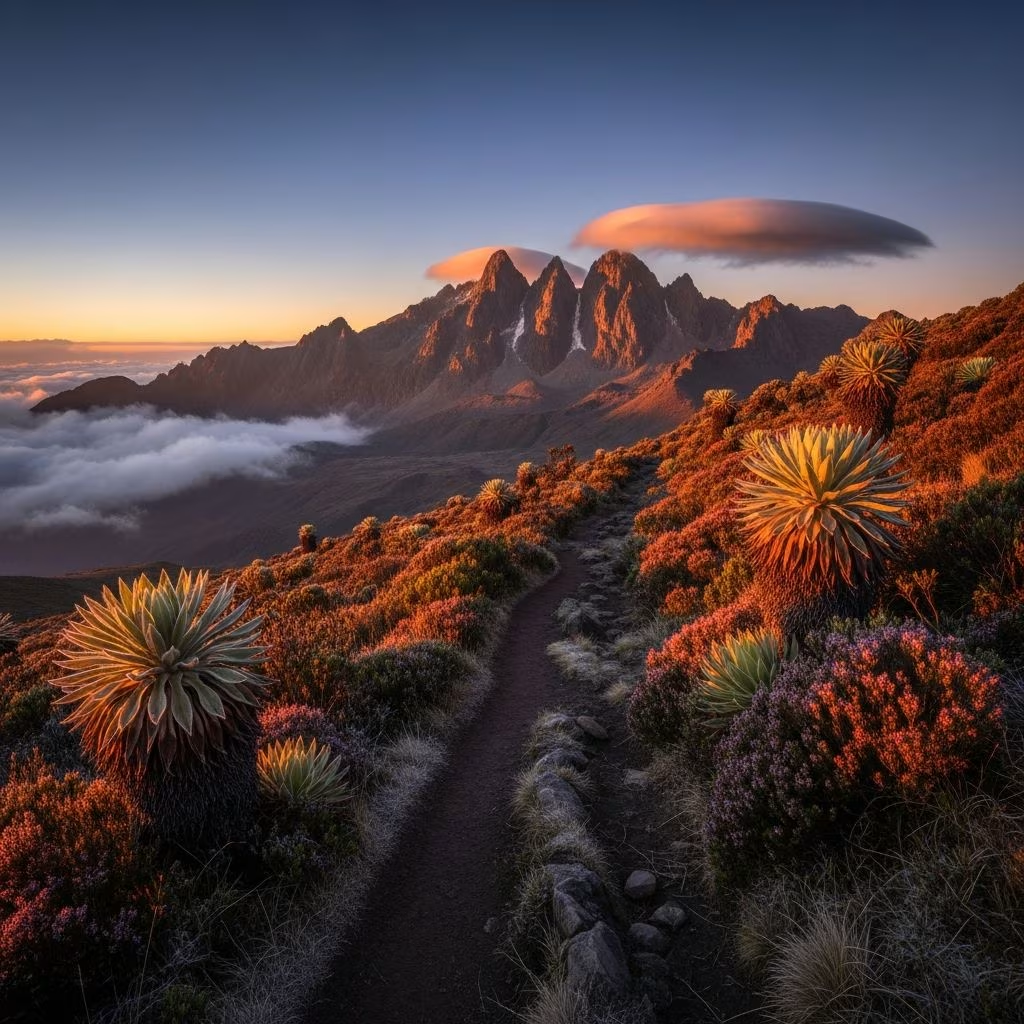
Mount Kenya stands as a majestic beacon in central Kenya, its snow-capped peaks piercing the sky at nearly 5,000 meters. Unlike the bustling paths of Kilimanjaro, this mountain offers trekkers a rare chance for introspection amid breathtaking landscapes. With diverse ecosystems from tropical forests to barren moors, a journey here promises not just physical challenge but profound solitude.
Mount Kenya’s allure lies in its accessibility and authenticity. Point Lenana, the trekking summit at 4,985 meters, Africa’s sixth-highest peak, welcomes fit hikers without technical climbing skills. Fewer tourists mean quieter trails, allowing immersion in nature’s symphony—bird calls, wind whispers, and the crunch of frost underfoot.
The mountain’s routes traverse multiple biomes: rainforest teeming with life, bamboo thickets, heather zones, and stark alpine deserts. This variety keeps the trek engaging, with each day revealing new wonders. Summit day demands endurance, often starting at 2:30 a.m. in biting cold, but rewards include sunrise over jagged peaks and endless horizons.
Several routes lead to Point Lenana, each offering unique flavors of isolation. The Sirimon Route, starting from the west, is beginner-friendly with open trails through dry landscapes. It passes Mackinders Valley, alive with streams and wildlife, before climbing to high camps.
For a fuller traverse, combine Sirimon ascent with Chogoria descent. Day one eases into highland forests; subsequent days cross gorges, waterfalls, and tarns. The Chogoria side boasts lush bamboo and dramatic valleys, perfect for photographers seeking uncrowded shots.
| Route | Duration | Highlights | Difficulty |
|---|---|---|---|
| Sirimon | 3-5 days | Mackinders Valley, open terrain | Moderate |
| Chogoria-Sirimon Traverse | 5 days | Waterfalls, gorges, bamboo forests | Moderate-Challenging |
| Narumoru | 4 days | Teleki Valley, vertical bogs | Moderate |
Shorter 4-day options via Narumoru suit time-constrained adventurers, starting at the gate with a dedicated team for support.
Day 1: Arrival and Forest Immersion
Begin at Sirimon Gate (2,440m). Hike 9km through montane forest to Judmier Camp (3,300m). Monkeys swing overhead, and the air thickens with mist. Pole pole—slowly slowly—sets the rhythm.
Day 2: Into the Moors
Ascend to Shipton’s Camp (4,200m) via Mackinders Valley. Giant groundsels and lobelias dot the landscape, resembling alien flora. Acclimatize with short walks; evenings are for stargazing in crisp air.
Day 3: Summit Push to Point Lenana
Pre-dawn start from Shipton to Lenana (16km round trip). Navigate rocky scree under headlamps, reaching the summit by sunrise. Views span Kenya’s plains; descend to Mingela or Meru Bandas.
Day 4: Descent Through Gorges
Drop via Chogoria, passing vivid tarns and Nanyuki River gorges. Lush vegetation contrasts summit austerity; camp amid waterfalls’ roar.
Day 5: Forest Finale
Easy downhill to Chogoria Gate, traversing highland forests. Reflect on the journey as vehicles await.
Fitness is key: Train with 6-8 hour hikes carrying 10-15kg packs. Cardiovascular endurance combats summit fatigue. Altitude sickness looms above 4,000m—hydrate relentlessly (4-5 liters daily) and heed pole pole pacing.
Obtain permits via Kenya Wildlife Service; porters/cooks enhance comfort, carrying loads while sharing cultural insights.
Mount Kenya hosts endemic species: the giant lobelia teleki, rock hyrax (Kilimanjaro’s ‘grandpa’), and elusive bongo antelope. Trails wind through afro-alpine moors, where frost pockets preserve prehistoric plants. Tread lightly to protect this UNESCO site.
Best seasons: Dry months (January-March, July-October) avoid mud; June-August brings snow for ethereal views.
Summit day tests limits—16 hours of effort in wind and dark. Yet, gradual acclimatization via 5-day itineraries minimizes issues. Mental fortitude shines in solitude; caves like those near Austrian Hut offer rustic shelter for technical climbers.
Post-summit, some extend with cycling or rafting in Kenyan wilds, blending adrenaline with recovery.
No—Lenana requires no technical skills, but steeper sections demand fitness. Fewer crowds enhance enjoyment.
Helpful but not essential. Preparation hikes suffice for most.
Sirimon: Gentle gradients, stunning valleys.
Not recommended; hire guides for navigation and safety.
5-day treks from $1,250, covering all logistics.
Beyond peaks, Mount Kenya fosters self-discovery. Quiet trails invite reflection, forging bonds with nature and self. Whether sleeping in caves or summiting at dawn, this trek redefines adventure in glorious isolation.
