

 Travel Essentials
 Travel Essentials

Comprehensive guide to trekking Mount Rinjani in Lombok, covering routes, difficulty levels, physical preparation, and what to expect on this challenging Southeast Asian adventure.
 Travel Essentials
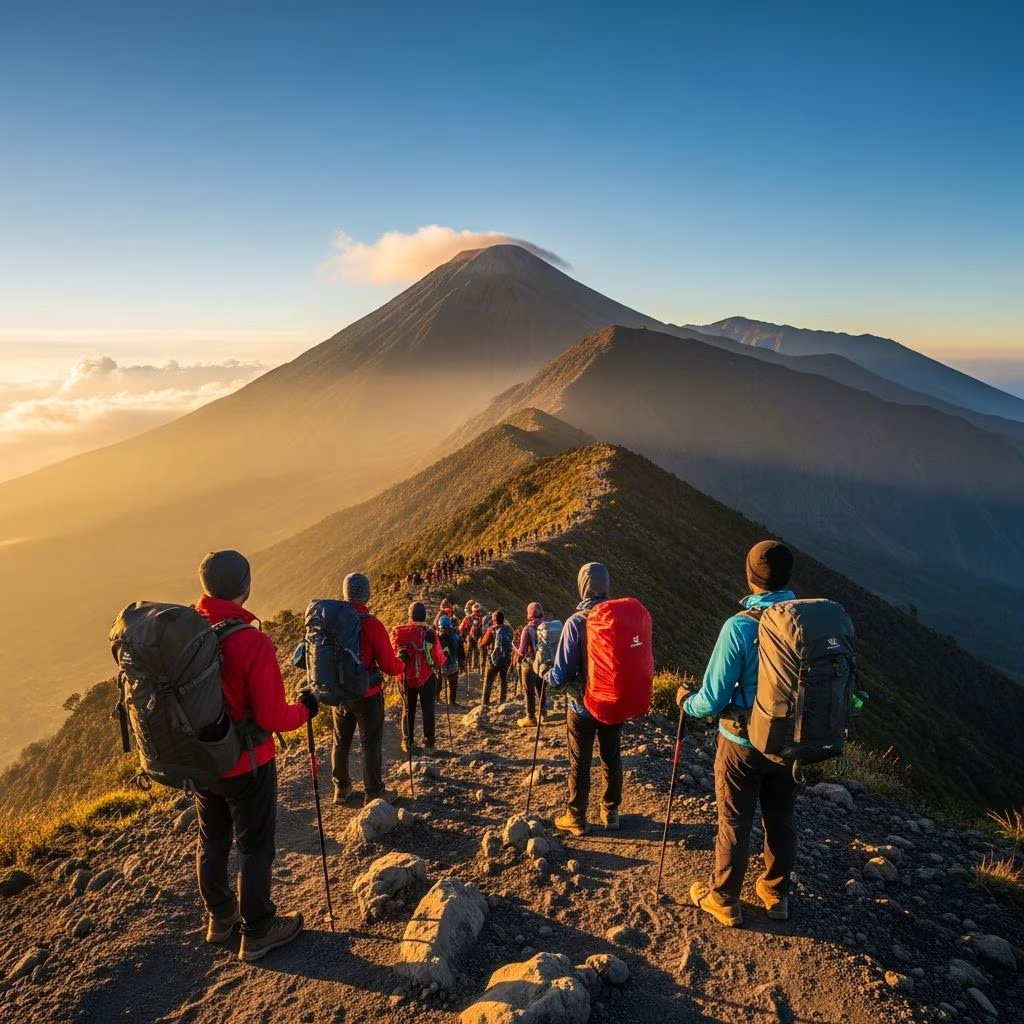
Rising majestically above the island of Lombok, Mount Rinjani stands as one of Indonesia’s most formidable natural attractions and a premier destination for adventure seekers across Southeast Asia. At 3,726 meters elevation, this active volcano represents both a physical challenge and a transformative journey for hikers willing to undertake its demanding terrain. The mountain draws thousands of visitors annually who come to experience its dramatic landscapes, pristine crater lake, and the profound sense of accomplishment that comes from reaching its summit.
What makes Rinjani particularly compelling is that it offers multiple pathways to adventure, accommodating various fitness levels and time constraints. Whether you’re seeking a relatively accessible crater-rim experience or aiming for the ultimate summit conquest, this volcanic wonder delivers an unforgettable experience that combines natural beauty with genuine physical achievement.
Mount Rinjani occupies a central position in Lombok’s landscape, functioning as both a geographic landmark and a cultural cornerstone for local communities. The volcano features multiple distinct zones, each with its own ecosystem and characteristics. The lower elevations transition from tropical rainforest to grassy savannah, while higher altitudes reveal increasingly sparse vegetation adapted to thinner air and cooler temperatures.
The mountain’s most distinctive feature is its massive crater, which contains a crater lake and the younger volcanic cone called Barujari. This geological complexity creates a landscape of remarkable diversity within a relatively compact area. The crater rim itself sits at approximately 2,640 meters, providing stunning vistas in all directions, while the true summit extends significantly higher, requiring dedicated effort to achieve.
The presence of hot springs during the dry season and the accessible crater lake add unique dimensions to the trekking experience, allowing adventurers to engage with the mountain’s geothermal activity firsthand. Local communities have long recognized the mountain’s importance, and modern trekking operations have developed sophisticated systems for safely guiding visitors through this complex terrain.
The approach to Mount Rinjani differs significantly depending on your chosen starting point and time availability. Understanding these options helps determine the best fit for your experience level and schedule.
The majority of trekking expeditions commence from either Sembalun or Senaru, two traditional villages that serve as gateway communities for mountaineers. These locations have developed comprehensive infrastructure supporting guided treks, with established accommodation, supply services, and experienced guide networks. Starting from Sembalun takes you through gently rolling terrain initially, while the Senaru approach involves slightly different trail characteristics but ultimately reaches the same summit.
From either starting point, standard treks require 2 to 3 days with overnight camping arrangements. The difference between routes often comes down to personal preference and logistics rather than significant difficulty variations. Many experienced trekkers prefer beginning at Sembalun and descending via the Senaru route, which eliminates backtracking and allows engagement with the crater lake and hot springs without retracing steps.
For those with limited time or seeking fewer crowds, the southern slope presents an intriguing option. The Tetebatu starting point, located just one hour from Lombok International Airport at Mataram, offers a compressed trekking experience. This route enables a 2-day, 1-night ascent to the summit, making it accessible for visitors with tighter schedules. The trade-off involves encountering significantly fewer fellow hikers and potentially a more intimate connection with the mountain environment.
Mount Rinjani unequivocally ranks among Southeast Asia’s most challenging hiking experiences, demanding serious physical preparation regardless of which route you select. The combination of high elevation, volcanic terrain, and extended hiking hours creates cumulative fatigue that catches many unprepared hikers off guard.
The mountain’s slopes consist of loose volcanic cinders, uneven rocky ground, and steep ascents that punish poor footwork. Unlike manicured hiking trails in developed countries, Rinjani’s paths require constant attention to foot placement and deliberate movement. The terrain transitions dramatically throughout the trek—from lush rainforest floor requiring careful navigation through roots and moisture-slicked sections to open volcanic landscape where loose rocks shift underfoot with every step.
The most brutal section typically occurs during the final summit push, where hikers ascend roughly one kilometer while battling primarily sand and volcanic ash. This final stage, despite its short distance, demands three hours or more due to the terrain’s relentless difficulty. Each step forward slides partially backward, creating a psychological test as much as a physical one.
Optimal preparation involves aerobic conditioning combining running, stair climbing, and hill training. Building leg strength specifically through squats, lunges, and calf raises provides direct benefit. Cardiovascular endurance matters considerably, as extended hiking at increasingly high elevations demands sustained oxygen delivery to working muscles.
Practical training involves extended hiking sessions carrying a weighted backpack, simulating actual trek conditions. Hiking uphill for 4-6 hours consecutively, several times monthly during your preparation phase, builds both physical capacity and mental resilience. Altitude acclimatization training proves invaluable, though few hikers have access to high-altitude environments pre-trek. Starting your trek with moderate pace during the first day helps your body adjust to the elevation.
The initial day typically covers approximately 7 kilometers with roughly 1,483 meters of elevation gain over 6-7 hours of hiking. Beginning with mandatory registration at the Mount Rinjani National Park office, hikers embark on the first segment through savannah landscape featuring gentle inclines. The temperature at this lower elevation ranges between 25-30°C, making the heat a significant factor before the cooling effect of higher altitudes.
The pace deliberately stays moderate, allowing bodies to begin acclimatizing while muscles warm to the demands ahead. A lunch break occurs midday at designated camp areas, providing rest and caloric replenishment. By evening, hikers arrive at the first campsite, having established a foundation for subsequent days. This strategic pacing prevents early exhaustion while building familiarity with the mountain environment.
Day two represents the expedition’s most demanding segment, requiring 10-11 hours of hiking to cover approximately 6.5 kilometers with 1,087 meters of elevation gain but 1,265 meters of descent. Groups typically depart at 2-3 AM, using headlamps to navigate by starlight before dawn breaks. The darkness serves a strategic purpose—cooler temperatures reduce heat exhaustion risk during the most strenuous climbing.
This day divides into multiple phases: the steep initial ascent demands use of handholds in certain sections, requiring hikers to pull themselves upward with arms as well as legs. The terrain then transitions to the crater rim, where hikers experience the dramatic shift from vegetation to volcanic landscape. Views open dramatically as the atmosphere clears, revealing the crater’s dramatic geography below.
The final summit push occurs near dawn, racing against the sun to reach the peak as light emerges across the landscape. This timing creates a photographic and emotional climax—the effort culminates in witnessing sunrise from one of Indonesia’s highest peaks. The descent that follows, while technically easier, presents psychological challenges as fatigue accumulates and legs cease responding normally to commands.
The final day involves approximately 1,860 meters of descent over 5-6 hours and 5.5 kilometers. While technically less demanding than day two, the extended downhill hiking tests knees and hip flexors that have already absorbed significant punishment. Hikers describe this phase as surreal, with leg muscles essentially malfunctioning after extreme exertion, creating a mechanical sensation often compared to walking as a robot.
The descent carries hikers through diverse ecosystems, passing the crater lake and local fishermen who regularly ascend the volcano for their livelihoods. Those trekking during dry seasons may encounter natural hot springs, adding an unexpected luxury to the trek’s conclusion. The final segment requires traversing approximately 2,000 meters through tropical jungle before reaching the base.
Hikers preferring a less intense experience can opt for a 2-day, 1-night trek concluding at the crater rim rather than the true summit. This modified itinerary reaches approximately 2,640 meters elevation while eliminating the volcanic summit cone climb. Participants still experience the dramatic crater views and significant altitude exposure while reducing total hiking hours and physical extremity.
This option appeals to those with moderate fitness or limited vacation time. The crater rim provides spectacular panoramic views of Rinjani’s interior landscape and encompasses sufficient challenge to satisfy adventure desires without extreme difficulty. The experience encompasses the essence of Rinjani trekking while remaining accessible to broader fitness ranges.
For visitors unable or unwilling to undertake multi-day expeditions, the foothills offer complementary experiences capturing aspects of the mountain environment. Half-day panorama walks led by local women traverse small villages and rice terraces, incorporating irrigation channels bordered by bamboo groves. These shorter excursions conclude at Sendang Gile, a waterfall nestled in jungle landscape, providing authentic engagement with the mountain’s lower ecological zones.
Most homestays in the Rinjani vicinity maintain relationships with local guides who lead customized foothills tours, offering flexibility for various interests and time constraints. These experiences provide cultural immersion and natural beauty appreciation without requiring the extensive physical commitment of full treks.
Official regulations require all climbers to trek with certified guides, a requirement that serves critical safety functions beyond bureaucratic formality. As an active volcano, Rinjani has demonstrated volcanic activity, including a 2016 eruption of the Barujari cone that necessitated tourist evacuations. Experienced guides maintain communication systems, possess rescue coordination knowledge, and understand mountain conditions that can change rapidly.
Attempting Rinjani independently creates unjustifiable risk, potentially leaving injured or stranded hikers unreachable by rescue services. The guide requirement ensures your participation registers with authorities who would coordinate emergency response if needed.
Reputable trekking companies conduct pre-trek health checks, assessing blood pressure and general physical condition. These assessments provide baseline health documentation and help identify potential complications before extended mountain exertion. Hikers with cardiovascular conditions, joint problems, or other health concerns should consult healthcare providers and communicate thoroughly with trekking operators.
Appropriate footwear represents the single most critical gear decision. Quality hiking boots or shoes with aggressive tread provide essential traction on loose volcanic terrain and twisted ankle prevention. Lightweight, layered clothing accommodates the dramatic temperature range from tropical lowlands to cool summit elevations. Warm layers become non-negotiable at higher altitudes where temperatures drop significantly below base-level conditions.
Additional essentials include headlamps or flashlights for pre-dawn hiking, adequate water containers, electrolyte replacement solutions, and high-energy foods formulated to maintain caloric intake during extended exertion. Sun protection through sunscreen, hats, and sunglasses addresses intense equatorial ultraviolet exposure.
Mount Rinjani experiences distinct seasonal patterns affecting trek conditions and experience quality. The dry season from May through September typically provides optimal conditions with clearer visibility and more stable weather. During this period, guides report higher success rates for summit achievements and more consistent hot spring availability.
The wet season brings increased rainfall, reduced visibility, and potentially treacherous trail conditions with enhanced mud and slippery surfaces. Despite less optimal conditions, wet season trekking remains possible and offers advantages including fewer crowds and lush vegetation. Trail conditions require closer attention during rainy periods, making experienced guides even more essential.
Selecting trekking operators requires evaluating guide experience, safety equipment, group size policies, and customer review documentation. Established companies with 15+ years operating history demonstrate proven safety records and operational reliability. Reputable guides possess intimate knowledge of trail conditions, weather patterns, and emergency protocols developed through extensive experience.
During high season, walk-up trek availability exists without extensive advance booking, though organizing through established companies typically ensures better group composition and guide quality. The additional planning investment pays dividends through enhanced safety and experience quality.
The mountain’s terrain, while accommodating varied fitness levels through different route options, fundamentally excludes visitors with mobility limitations. No trail sections provide accessibility for those requiring mobility assistance devices, and the uneven, steep terrain presents insurmountable barriers for wheelchair access or limited-mobility trekking. Prospective hikers should honestly assess personal mobility and physical limitations before committing.
May through September represents the optimal trekking window when dry season conditions provide clearer skies, more stable weather, and better visibility of panoramic views. Trail conditions remain significantly more favorable compared to wet season months.
Rinjani ranks among the region’s most challenging hikes, demanding sustained effort across multiple days with substantial elevation gain and technically difficult terrain. Proper preparation and reasonable fitness levels prove essential for successful completion.
While children have successfully completed Rinjani treks, the extended duration, physical demands, and altitude exposure require seriously fit children and careful evaluation. Most operators recommend minimum ages around 12-14 years for children with above-average fitness levels.
Gradual acclimatization through moderate day-one pacing, adequate hydration, electrolyte replacement, and proper nutrition fundamentally address altitude sickness prevention. Consulting healthcare providers about altitude sickness medications applies particularly to those with previous altitude sensitivity.
Trek costs vary substantially based on group size, guide experience, accommodation quality, and meals provided. Budget generally ranges from $150-400 USD for complete three-day expeditions depending on operator and included amenities.
Mount Rinjani transcends being merely a hiking destination; it represents a genuine physical and mental challenge that transforms participants through adversity, natural beauty, and personal accomplishment. The multi-day expedition combines technical terrain navigation, altitude acclimatization, and extended physical exertion into a comprehensive adventure experience. Whether pursuing the ultimate summit achievement or enjoying the crater-rim alternative, Rinjani delivers the profound satisfaction that comes from overcoming significant challenges in one of Indonesia’s most spectacular environments.
