

 Travel Essentials
 Travel Essentials

Explore Mt. Baker's epic ski descents with itineraries, training tips, and safety advice for all levels in this ultimate guide.
 Travel Essentials
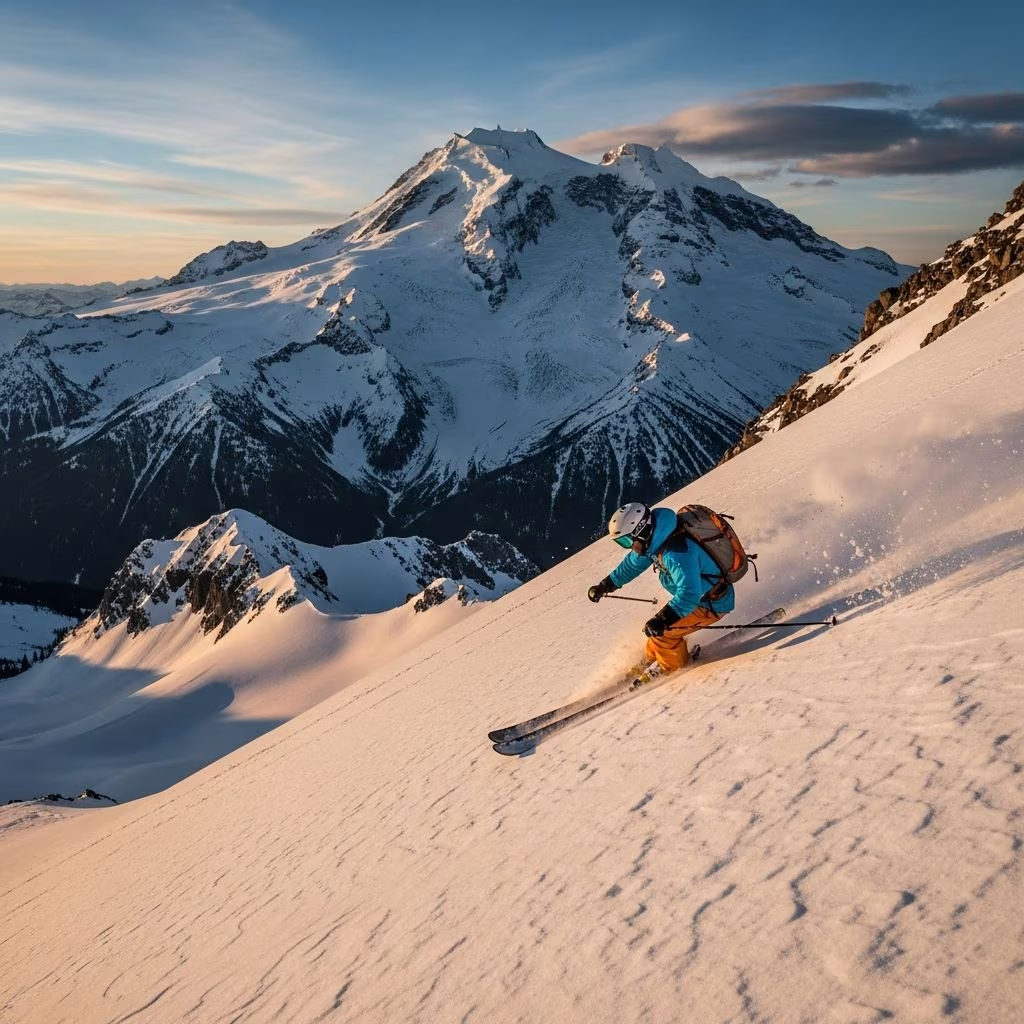
Mt. Baker, standing at 10,781 feet in Washington’s North Cascades, offers some of the most exhilarating ski descents in the contiguous United States. This glaciated peak draws backcountry enthusiasts with its vast glaciers, reliable snowpack, and stunning panoramic views. Whether you’re aiming for the summit via the Coleman-Deming Glacier or exploring the expansive backcountry around the ski area, Mt. Baker combines technical ski mountaineering with world-class powder skiing.
The mountain’s appeal lies in its accessibility from Seattle—about a 3-hour drive—and its position as the North Cascades’ highest volcano. Glaciers like the Easton and Squawk provide long, scenic runs with elevation drops exceeding 7,000 feet on summit days. Conditions often feature deep, cold snow, making it ideal for ski descents that reward skilled skiers with unforgettable lines.
Unlike resort skiing, Mt. Baker’s backcountry demands preparation for glacier travel, avalanche risks, and variable weather. Yet, guided options make it approachable for those building big-mountain skills.
Several routes cater to different experience levels, each offering unique challenges and rewards.
Backcountry tours near Mt. Baker Ski Area add variety, with 3,000-foot gains over 6 miles, adjustable based on conditions.
Guided trips structure the adventure, providing logistics, safety, and skill-building. Here’s a comparison of common formats:
| Trip Type | Duration | Elevation Gain | Key Features | Source |
|---|---|---|---|---|
| Summit Ski Descent (Private) | 1-3 Days | 4,000+ ft summit day | Custom routes, skills training (crampons, ice axe) | |
| Mountain Madness Descent | 3 Days | ~6,000 ft total | Incl. transport, tents, meals; pre-dawn summit | |
| Alpine Ascents Intro | 3-4 Days | 9,100 ft total | Ski training day, 3:1 ratio, Heliotrope approach | |
| Backcountry Tour | 1 Day | 3,000 ft | Ski area adjacent, weather-dependent |
Day 1: Approach to Base Camp. Start with orientation in Seattle or Bellingham, then hike or skin 2,750-4,000 feet through forests and meadows to camp at 6,000-7,000 feet. Pack weight: 40 lbs. Time: 4-6 hours.
Day 2: Skills and Powder Day. Practice glacier travel, crevasse rescue, and transitions with lighter packs (15 lbs). End with a fun descent.
Day 3: Summit Push and Mega Descent. Pre-dawn start (3-5 AM), climb 4,350 feet to the rim. Descend 7,100 feet of glaciated terrain back to trailhead. Total time: 8-12 hours.
Kit yourself properly to handle variable snow, glaciers, and weather.
Mt. Baker’s steep chutes and glaciers amplify risks. Travel in avalanche terrain is not recommended without expertise; ratings apply below 7,000 feet and vary hourly.
Key protocols:
Prime window: March to May for stable corn snow and longer days. Winter offers powder but higher avalanche danger. Ski area operates variably; backcountry gates open post-closure. Avoid summer unless hiking Artist Point.
Build endurance for 8-12 hour days with 40-lb packs. Focus on:
Intermediate+ skiers thrive; beginners should opt for guided intros.
Preserve this wilderness: Pack out waste, camp on durable surfaces, minimize fire impact. Glaciers are shrinking—respect the terrain.
| Element | Typical Cost | Included? |
|---|---|---|
| Guided Trip | $1,000-$1,500 | Guides, gear, food, transport |
| Personal Gear Rental | $200-400 | AT skis, boots, avy kit |
| Permits/Transport | $50-100 | Park fees, shuttle from Seattle |
| Food/Extras | $100-200 | Snacks, layers |
Book early via outfitters like Mountain Madness or Alpine Ascents. Private trips offer flexibility.
Intermediate-advanced; requires glacier skills and strong fitness. Guided trips teach essentials.
Recommended, but instructional trips welcome motivated newcomers.
Excellent—deep, cold powder; recent reports note 2-5 inches fresh.
High (80-90%) on guided trips with good weather.
Yes, splitboards work perfectly for ascents and descents.
Scout via apps like FATMAP. Transition efficiently to save energy. Post-storm, prioritize visibility for crevasse avoidance. Pair with Shuksan or Ruth for multi-peak weeks.
Mt. Baker delivers raw alpine thrill—prepare thoroughly for rewards like few peaks match.
