

 Travel Essentials
 Travel Essentials

Mt. Tabor Park in Portland offers tranquil hikes, volcanic views, and Quiet Park status. Uncover trails, history, amenities, and tips for peaceful urban escapes.
 Travel Essentials
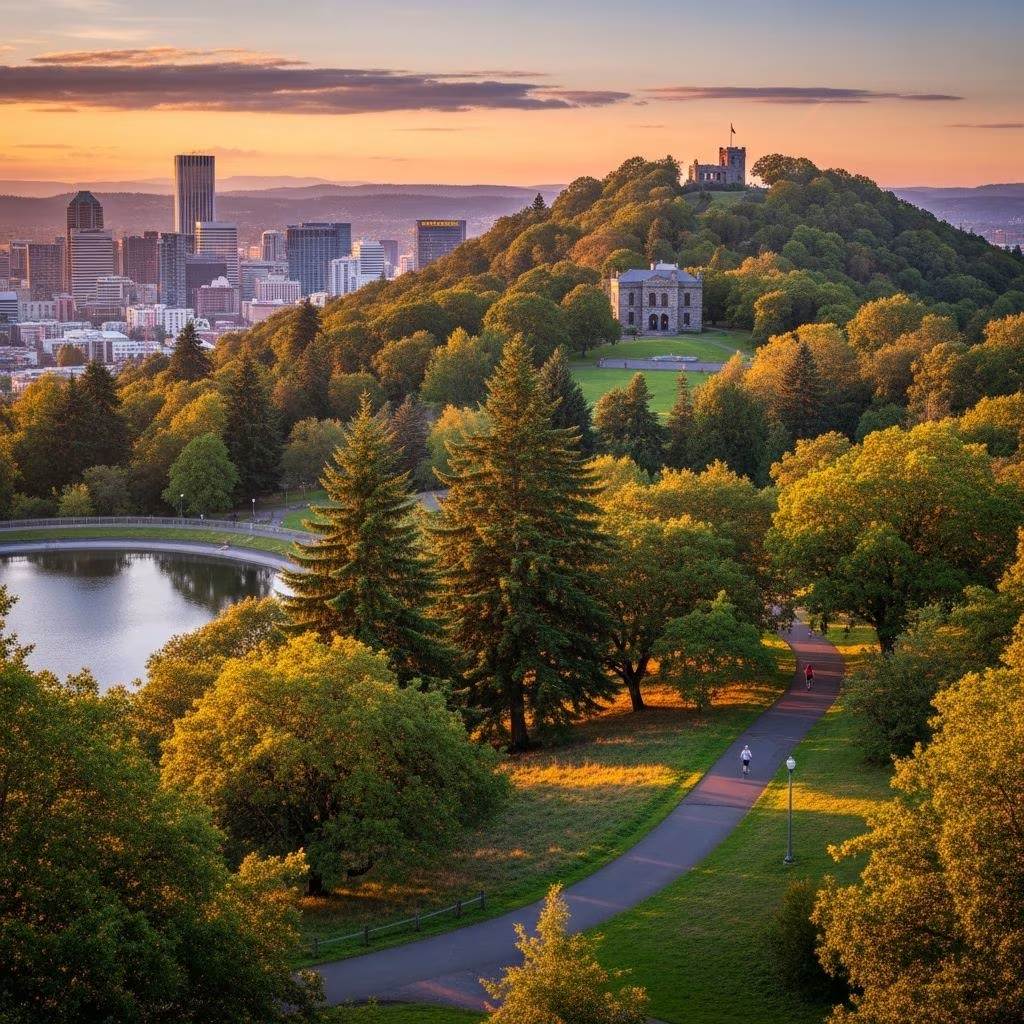
Mt. Tabor Park stands as a remarkable testament to nature’s resilience within a bustling cityscape. Perched on a 636-foot dormant volcano, this 191-acre haven in southeast Portland delivers breathtaking panoramas, whispering forests, and an unprecedented designation as America’s inaugural Urban Quiet Park. Awarded this honor by Quiet Parks International on May 26, 2023, Mt. Tabor invites visitors to immerse in natural silence amid urban life.
What sets Mt. Tabor apart is its Quiet Park status, a rare accolade emphasizing soundscape preservation. Quiet Parks International recognizes areas where human-generated noise remains minimal, fostering profound acoustic tranquility. Mt. Tabor achieved this as the first urban site in the U.S., with plans for similar designations in Seattle and New York by year’s end. This distinction underscores Portland’s dedication to safeguarding auditory peace, allowing bird songs and rustling leaves to dominate the sensory experience.
Unlike remote wilderness reserves, Mt. Tabor’s urban proximity amplifies its appeal. Residents and tourists alike can access profound quietude without extensive travel. The park’s elevation provides sweeping views of the Willamette River, downtown skyline, and Mount Hood on clear days, merging silence with visual splendor.
Portland boasts one of only six U.S. cities harboring an extinct volcano within boundaries, and Mt. Tabor exemplifies this geological curiosity. Formed millennia ago from Boring Lava Field eruptions, the cinder cone rises 636 feet, its slopes cloaked in lush Douglas firs, maples, and understory ferns. Open-air reservoirs at varying elevations add intrigue, once vital for city water supply and now scenic focal points.
These reservoirs, visible along trails, highlight engineering ingenuity blended with nature. Their concrete domes contrast verdant surroundings, offering reflective pools that mirror seasonal foliage changes. Hiking here feels like traversing ancient volcanic terrain, steps from coffee shops and neighborhoods.
Mt. Tabor’s trail system caters to all abilities, with paved roads and softer footpaths weaving through the landscape. Three marked loops provide structured adventures:
Trail maps are accessible online via Portland Parks and Recreation. Paved routes ensure ADA accessibility to the summit, while off-pavement paths invite deeper exploration. Early mornings or weekdays maximize quiet, aligning with the park’s ethos.
Beyond trails, Mt. Tabor brims with facilities enhancing extended stays. Key features include:
| Facility | Description | Accessibility |
|---|---|---|
| Picnic Areas | Scenic spots with tables and grills | ADA-compliant |
| Playgrounds | Equipment for children | ADA-accessible |
| Sports Courts | Basketball, tennis, volleyball | Paved surfaces |
| Dog Park | Fenced off-leash area | Lower hill base |
| Amphitheater | Outdoor event space | Open seating |
Restrooms and horseshoe pits round out options. Parking is limited—street spots and a small lot fill quickly—prompting TriMet bus 15 use from Belmont Street. Gates open 5 a.m. to midnight daily.
Named for a biblical mountain in Israel, Mt. Tabor entered public domain in 1909, evolving from raw land to manicured park. Early 20th-century visionaries transformed the volcano into a recreational jewel, installing reservoirs in the 1890s. Today, Friends of Mt. Tabor Park steward its legacy, advocating preservation amid urban pressures (contact: taborfriends@gmail.com).
Recent milestones include the 2023 Quiet Park designation and cultural additions like summit busts, reflecting ongoing community investment. Annual events such as the PDX Adult Soapbox Derby inject whimsy, drawing crowds without shattering acoustic serenity.
Spring wildflowers and fall colors peak seasonal beauty, though summer sunsets captivate. Avoid peak weekends for truest quiet. Pack layers—elevation brings cooler temps—and water, as fountains are sparse. Leash pets outside the dog area; bikes yield to hikers on shared paths.
For families, combine playground visits with short trails. Photographers cherish dawn light over reservoirs. Birdwatchers note species like varied thrushes in quieter zones.
Mt. Tabor’s Quiet Park status demands mindful conduct. Silence phones, avoid amplified music, and stick to paths to minimize erosion. Portland Parks and Recreation enforces rules, with Quiet Parks International monitoring sound levels. These efforts ensure enduring peace for future generations.
In a noise-saturated world, Mt. Tabor offers restorative escape. Its volcanic drama, accessible design, and sonic purity create unmatched appeal. Whether seeking solitude, exercise, or panoramas, this park delivers profoundly.
Yes, admission is free year-round.
TriMet bus 15 stops nearby at SE 60th and Belmont.
Yes, leashed everywhere except the off-leash dog park.
The 1-mile Red Trail offers flat sections and views.
Often, on clear days.
Portland Parks and Recreation, supported by Friends of Mt. Tabor.
