

 Travel Essentials
 Travel Essentials

Explore Namibia's epic dunes, national parks, and remote regions with essential planning tips, itineraries, and insider advice for self-drive or guided trips.
 Travel Essentials
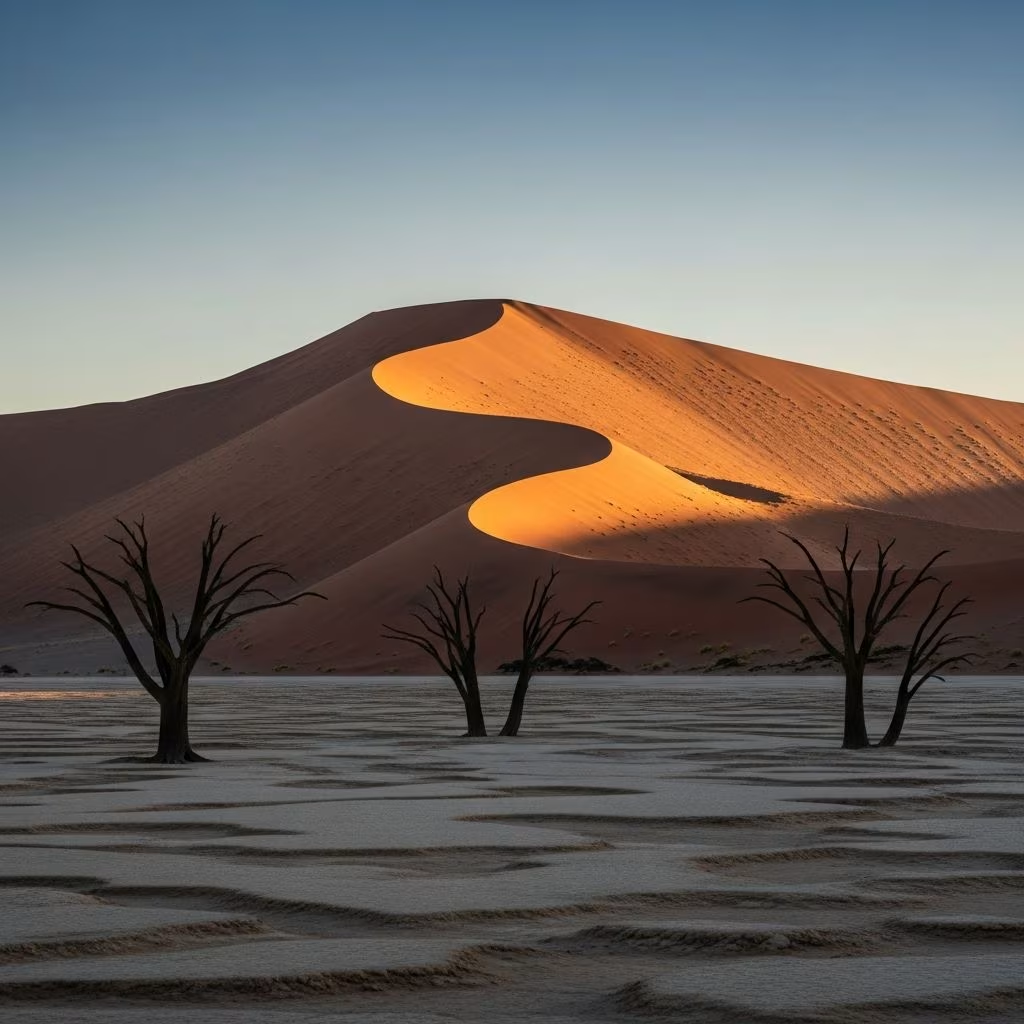
Namibia stands out as one of Africa’s most captivating destinations, offering a mesmerizing blend of dramatic deserts, abundant wildlife, and rich cultural heritage. Spanning over 825,000 square kilometers—roughly three times the size of the United Kingdom—this sparsely populated nation delivers unparalleled opportunities for self-discovery amid its raw, untamed beauty. Whether you’re climbing colossal sand dunes, tracking desert-adapted lions, or stargazing in ancient quiver tree forests, Namibia promises experiences that linger long after your journey ends.
The allure of Namibia lies in its extraordinary diversity. Home to the world’s oldest desert, the Namib, and the ethereal salt pans of Etosha, the country showcases nature at its most extreme and beautiful. Over 100 mammal species roam its plains, including the iconic oryx with their straight horns, alongside more than 300 bird varieties that thrill ornithologists and casual observers alike. Photographers flock here for the interplay of light on granite inselbergs, crashing ocean waves against dunes, and massive elephant herds at waterholes. Unlike more crowded safari spots, Namibia’s vast open spaces ensure intimate encounters with the wild.
For adventure seekers, activities abound: 4×4 trekking through rugged terrains, hot-air balloon rides over dawn-lit dunes, or kayaking with seals in coastal lagoons. Culturally, interactions with Himba and San communities provide glimpses into ancient traditions, where donkey carts and horseback travel persist in remote villages. This combination of isolation and accessibility makes Namibia ideal for independent explorers willing to embrace the road.
The optimal visiting window is Namibia’s dry season from May to October, when clear skies enhance visibility for game viewing and photography, and temperatures range from comfortable days to cool nights. July and August peak for wildlife concentrations around dwindling water sources, though prices rise accordingly. Avoid the wet summer months (November to April) unless seeking lush, green landscapes and fewer crowds, but note potential road closures from flash floods.
Most international flights land at Hosea Kutako International Airport near Windhoek, the lively capital serving as your launchpad. From there, renting a 4×4 vehicle is essential for navigating gravel roads and sandy tracks—opt for models with high clearance and off-road tires. Self-drive suits independent spirits, but guided tours offer stress-free logistics for first-timers. Budget 10-14 days minimum to cover highlights without excessive driving; two weeks allows a balanced loop from Windhoek southward to dunes, northward to parks, and coastal detours.
Currency is the Namibian Dollar (NAD), pegged to the South African Rand (ZAR), which is widely accepted. Carry cash for remote areas lacking ATMs, and use cards in cities. Stay connected via local SIM cards from MTC or Telecom, providing affordable data for navigation apps—though Google Maps underestimates gravel road times, so cross-reference with specialized tools like Tracks4Africa.
Accommodations range from luxury lodges and guesthouses in Windhoek (like family-run Voigtland) to wild camping in national parks. Airbnbs offer value in urban spots, while campsites near attractions provide immersive stargazing. Always book ahead for peak season. Driving demands caution: roads are mostly gravel, speeds average 60-80 km/h, and wildlife crossings are common. Deflate tires for sand driving, carry spares, and avoid night travel.
Health-wise, no mandatory vaccines beyond routine ones, but malaria prophylaxis is advised for northern regions like Etosha. Drink bottled water, use sunscreen, and respect UV intensity at high altitudes. U.S. travelers note visa-free entry for up to 90 days, but secure travel insurance covering medical evacuations given remoteness.
Craft your route around these must-see spots, prioritizing a clockwise loop to minimize backtracking. Start in Windhoek for acclimation, then venture out.
| Destination | Drive Time from Windhoek | Highlight Activity | Best Stay |
|---|---|---|---|
| Sossusvlei | 4-5 hours | Dune climb | Sesriem Campsite |
| Etosha | 5-6 hours | Waterhole safari | Okaukuejo Resort |
| Spitzkoppe | 4 hours | Rock hiking | Wild camping |
| Damaraland | 6-7 hours via Etosha | Elephant tracking | Community lodges |
Namibia excels in specialized safaris. Etosha’s pan attracts herds to artificial waterholes, yielding sightings of cheetahs sprinting, black rhinos silhouetted at dusk, and hyena choruses. The Namib hosts unique desert species: oryx surviving without water, Hartmann’s zebra on rocky slopes, and elusive desert lions prowling dunes. Beyond Big Five (missing buffalo in Etosha), spot meerkats, aardvarks, and flamingo flocks. Guided night drives reveal nocturnal wonders; binoculars and patience are key.
Engage with Namibia’s 13 ethnic groups. Himba women in otjize-red ochre greet visitors in Damaraland, sharing milk-based hospitality. San bushmen demonstrate tracking skills near Spitzkoppe. In rural areas, observe donkey carts and horseback herding, a testament to enduring traditions amid modernity. Windhoek’s markets buzz with crafts, while township tours reveal resilient communities. Respect customs: ask permission for photos, support community tourism.
Swakopmund pulses with adrenaline: sandboarding down dunes, skydiving over the desert, or quad-biking Skeleton Coast. Inland, canyon kayaking in the Ugab River or rock climbing Spitzkoppe’s peaks challenge enthusiasts. Hot-air ballooning offers serene dune panoramas at dawn. For water lovers, Walvis Bay’s pelican point hosts seal colonies and dolphin cruises.
Namibian cuisine fuses German and African influences: try eisbein (pork knuckle), venison steaks, and craft beers like Windhoek Lager. Roadside spots serve kapana with pap (maize porridge). In Solitaire, apple pie is legendary amid the desert. Stock braai (BBQ) supplies for campsites—game meats like kudu elevate meals.
Namibia ranks safe for travelers, with low crime, but petty theft occurs in Windhoek—keep valuables secure and avoid solo night walks. Road safety tops concerns: drive defensively, heed animal crossings. Environmentally, stick to tracks, remove litter, and choose eco-lodges. Support conservation via park fees funding anti-poaching.
Yes, with precautions like group tours and daytime driving. Women report positive experiences.
Essential for most routes; sedans suffice only sealed roads.
Windhoek-Sossusvlei-Etosha-Swakopmund loop, focusing 2-3 nights per spot.
Nearly: lion, leopard, elephant, rhino in Etosha; buffalo scarce.
$150-300/day including vehicle, fuel, lodges, parks (mid-range).
