


 Food & Culture
Food & Culture
Napa Valley Travel Guide: Wine, Dining & Itineraries
Discover Napa Valley's best wineries, restaurants, towns, and activities. Plan your perfect wine country escape with insider tips and comprehensive travel recommendations.
 Food & Culture
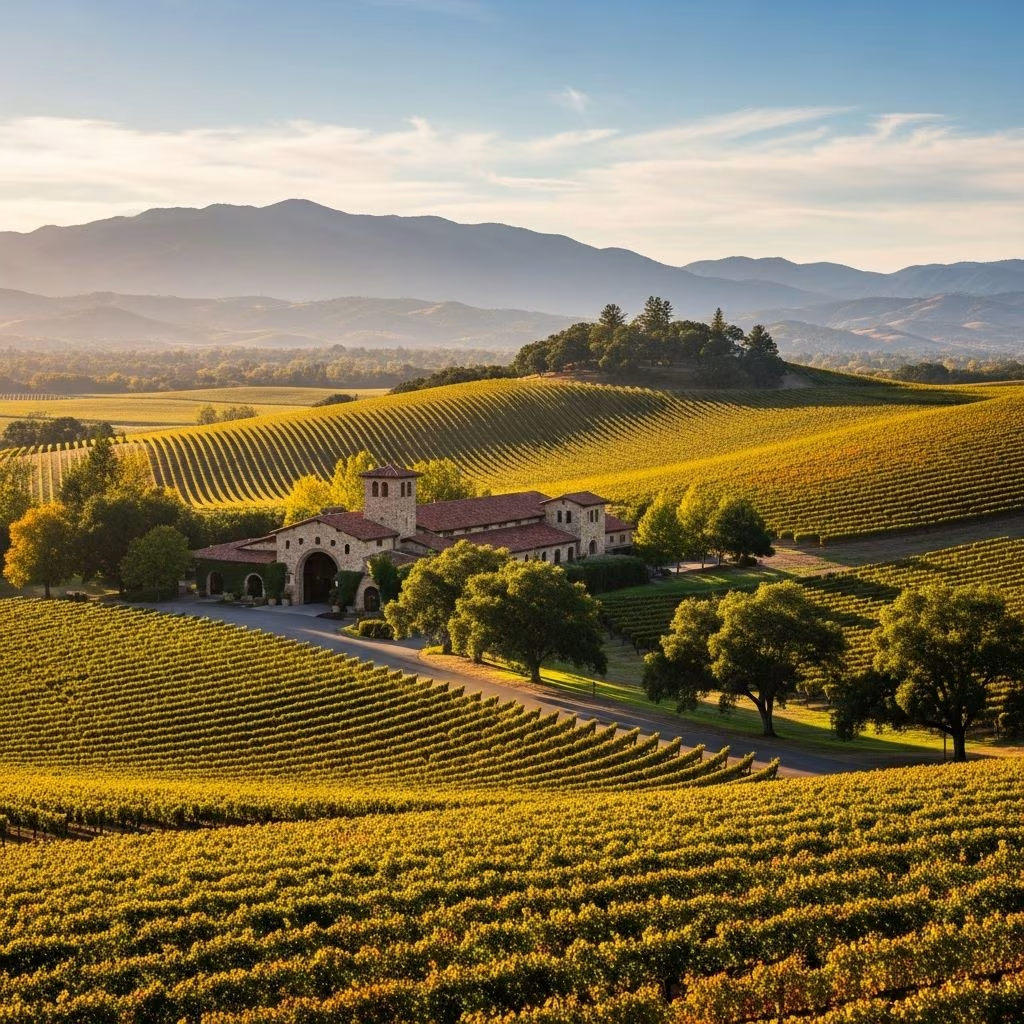
Nestled in Northern California’s rolling hills lies one of the world’s most celebrated wine-producing regions. The Napa Valley stands as a testament to exceptional viticulture, breathtaking natural landscapes, and an unwavering commitment to culinary excellence. Spanning approximately 30 miles in length and 5 miles in width, this renowned destination attracts millions of visitors annually who seek the perfect blend of relaxation, gastronomy, and wine exploration.
Beyond its reputation for producing world-class wines—particularly age-worthy cabernet sauvignon from its 16 distinct appellations—the valley offers an extraordinary range of experiences. From luxurious spa treatments to farm-to-table dining and outdoor adventures, Napa Valley serves every type of traveler, whether you’re a dedicated wine enthusiast, a culinary adventurer, or someone seeking rejuvenation and wellness.
Understanding Napa Valley’s Geographic Layout
The Napa Valley comprises several distinct towns, each with its own character and offerings. Understanding the geography helps visitors maximize their time and plan efficient itineraries that showcase diverse experiences without excessive driving.
Napa City serves as the valley’s urban hub, featuring a vibrant downtown district positioned along the Napa River. This area has undergone significant revitalization in recent years, transforming into a destination unto itself with boutique hotels, contemporary art galleries, and riverside dining establishments. The downtown area offers an excellent starting point for newcomers, providing easy access to visitor information and initial orientation to the region.
Yountville has earned distinction as the valley’s culinary capital, boasting an exceptional concentration of Michelin-starred restaurants and elevated dining institutions. This charming town combines upscale gastronomy with sophisticated shopping and art galleries, creating an atmosphere of refined elegance without pretension.
Rutherford and Oakville occupy the valley’s middle regions and are traditionally known for wine production rather than tourism infrastructure. However, these areas have increasingly welcomed visitors with quality wineries and tasting rooms, offering a more intimate, production-focused experience.
St. Helena blends historic charm with contemporary sophistication. As the location where Napa Valley’s winemaking tradition truly flourished, this town maintains deep connections to viticultural heritage while offering excellent shopping, galleries, and dining options.
Calistoga anchors the valley’s northern boundary and specializes in wellness and relaxation experiences. Natural hot springs, mineral pools, and luxury spa resorts define this town’s character, making it an ideal destination for visitors prioritizing rejuvenation.
American Canyon sits at the southern gateway and serves as an excellent base for exploring the valley’s southern regions, including the Carneros area known for pinot noir and sparkling wine production.
Transportation and Getting Around
Effective transportation planning is crucial for maximizing your Napa Valley experience. The region’s layout and the dispersed nature of wineries and attractions necessitate thoughtful movement strategies.
Renting a personal vehicle remains the most practical option for independent travelers. This approach provides flexibility to follow spontaneous interests, visit multiple locations in a single day, and access wineries located away from main corridors. Most major airports in the San Francisco Bay Area offer competitive car rental options.
Alternatively, several professional services cater to visitors who prefer not to drive. Wine tour companies offer curated experiences with knowledgeable guides who provide context about wineries, vineyards, and regional history. The Napa Valley Wine Train presents a distinctive transportation and dining experience, featuring a 36-mile journey through scenic vineyards with stops at historic wineries and fine dining service aboard vintage Pullman cars.
Public transportation options remain limited outside the main highway corridor, and rideshare services can be unreliable given the valley’s sparse population density and high demand during peak seasons.
Wine Tasting Experiences and Appellations
The Napa Valley encompasses 16 distinct wine appellations, each characterized by unique terroir—the combination of soil, climate, and geography that influences wine characteristics. With more than 400 wineries operating throughout the region, visitors face pleasant decision-making challenges when selecting tasting experiences.
Understanding appellation differences helps shape meaningful tasting itineraries. Carneros, situated in the southern portion where cool ocean breezes influence vineyard conditions, excels in pinot noir and sparkling wine production. This cooler microclimate produces wines with distinctive elegance and complexity.
The valley floor’s central regions, encompassing Rutherford, Oakville, and St. Helena, are famous for cabernet sauvignon. These areas benefit from afternoon sun exposure and well-draining soils that produce full-bodied, age-worthy wines.
Many wineries now offer appointment-only tastings, which provide more personalized experiences than walk-in formats. Scheduling in advance ensures quality time with knowledgeable staff and often includes access to reserve wines not available to general visitors. Tasting fees typically range from $20 to $75 per person, with fees often credited toward wine purchases.
Culinary Destinations and Dining Excellence
Napa Valley’s food scene represents one of North America’s most sophisticated culinary destinations, rivaling established gastronomic capitals. The region’s restaurant infrastructure reflects decades of culinary innovation and a deep commitment to showcasing local ingredients.
Fine dining establishments dot the landscape, with multiple Michelin-starred venues throughout Yountville, Napa City, and St. Helena. These restaurants feature seasonal menus reflecting produce availability and chef creativity, often paired with complementary wine selections from neighboring vineyards.
Beyond formal dining, casual farm-to-table establishments provide excellent meals in relaxed settings. These venues emphasize local sourcing and frequently feature cuisine reflecting California’s agricultural abundance and international influences.
The Oxbow Public Market in downtown Napa functions as both a culinary destination and ingredient marketplace. This 40,000-square-foot venue houses artisan producers, specialty food vendors, and restaurant concepts where visitors can assemble memorable meals by selecting from multiple vendors.
Accommodations for Every Preference
Lodging options throughout Napa Valley span a comprehensive range of price points and styles, accommodating diverse traveler needs and budgets.
Luxury resort properties offer comprehensive amenities including championship spas, fine dining establishments, golf courses, and wine libraries. These properties often feature vineyard views and provide sophisticated environments for complete relaxation.
Boutique hotels in downtown areas provide more intimate settings with distinctive character. These properties often occupy historic buildings or contemporary structures designed to reflect local aesthetic sensibilities.
Vacation rentals and smaller inns offer alternatives for travelers preferring personalized service or self-catering arrangements. Many properties provide kitchen facilities, allowing visitors to prepare meals using ingredients from local markets.
Beyond Wine: Complementary Activities and Attractions
While wine production and tasting anchor the Napa Valley experience, numerous alternative activities appeal to varied interests and preferences.
Outdoor Recreation opportunities include hiking trails offering valley panoramas, bicycle tours through vineyard-lined roads, and boating excursions on scenic lakes. Westwood Hills near Brown’s Valley provides accessible hiking with expansive views extending to San Pablo Bay and beyond on clear days.
Art and Culture venues throughout the valley showcase contemporary and traditional artwork. Gallery spaces in Yountville, St. Helena, and Napa City feature rotating exhibitions and permanent collections, enriching the cultural landscape.
Spa and Wellness Facilities in Calistoga and throughout the region capitalize on natural mineral springs and contemporary therapeutic techniques. Treatments ranging from traditional massages to mud baths and mineral soaks provide rejuvenating experiences.
Specialty Food Experiences extend beyond wine tasting. Olive oil tastings at regional estates, artisan cheese production facilities, and gourmet food shops offer opportunities to explore Napa Valley’s gastronomic diversity.
Shopping Districts in Yountville, St. Helena, and Napa City feature independent boutiques, specialty food shops, and home décor stores. Weekend farmers markets, particularly saturated with vendors on Saturday mornings, provide authentic local experiences and ingredients for picnic preparation.
Planning Your Ideal Itinerary
The optimal Napa Valley visit duration depends on personal interests, available time, and desired activity intensity. Three-day visits allow comprehensive overviews of major attractions, while five-day trips permit deeper exploration and more relaxed pacing.
Day One Strategy: Begin in downtown Napa, visiting the Welcome Center for orientation and recommendations. Explore the revitalized downtown district, including Oxbow Public Market, local galleries, and riverside establishments. Evening wine bars and restaurants provide comfortable transitions into wine country culture.
Day Two Exploration: Focus on a single town or appellation region. Visit 2-3 wineries with scheduled tastings, allowing adequate time for vineyard tours and quality tasting experiences. Lunch at a farm-to-table establishment provides midday refreshment and exposure to regional cuisine.
Day Three Focus: Explore a different geographic sector, visiting historic wineries and estates with distinctive character. Afternoon activities might include alternative experiences like olive oil tastings, art gallery browsing, or specialty shopping.
Additional Days Consideration: Extended visits permit unhurried pacing, wellness activities in Calistoga, comprehensive dining experiences at multiple restaurants, and participation in specialized tours or classes focused on wine education or culinary techniques.
Practical Planning Information
Best Times to Visit
Napa Valley operates year-round, with each season offering distinct advantages. Summer months (June-August) provide warm weather but attract significant crowds. Fall (September-October) combines pleasant temperatures with harvest season activities and fewer visitors than summer. Spring (March-May) brings blooming vineyards and moderate temperatures. Winter (November-February) offers the quietest conditions but occasional rainfall.
Budget Considerations
Wine tasting fees typically range from $20-$75 per person depending on winery reputation and wine quality. Fine dining experiences cost $75-$300+ per person including wines, while casual meals range from $15-$50. Accommodations span $100-$600+ nightly depending on property category and season.
Essential Preparation
Reserve winery tastings 1-2 weeks in advance, particularly during peak season. Book fine dining restaurants well ahead, as popular venues often achieve full reservations weeks in advance. Arrange ground transportation before arrival to ensure availability and avoid peak-season surcharges.
Frequently Asked Questions
What is the best way to experience Napa Valley wine culture without extensive wine knowledge?
Professional wine tour guides provide excellent education while handling driving logistics. Many winery staff members conduct tastings designed for varying expertise levels. Selecting diverse winery styles—from historic estates to contemporary producers—provides varied perspectives on winemaking approaches. Wine education classes offered through various venues provide foundational knowledge before tasting activities.
Are there kid-friendly activities throughout Napa Valley?
Yes, numerous attractions appeal to families. Traintown offers miniature train rides in a historical setting. Farmers markets provide interactive shopping experiences. Many wineries permit children in tasting rooms while parents taste. Outdoor recreation activities including hiking and biking accommodate families. Some spa facilities offer kid-friendly treatments.
What dining options exist for visitors with specific dietary requirements?
Restaurants throughout the valley accommodate vegetarian, vegan, gluten-free, and allergy-conscious diets. Farm-to-table establishments offer maximum menu flexibility due to their emphasis on ingredient availability. Oxbow Public Market vendors provide diverse options allowing customized meal preparation.
How much time should be allocated for individual winery visits?
Typical tastings last 45 minutes to 1.5 hours depending on winery presentation complexity and group size. Vineyard tours add 30-45 minutes. Budget 3-4 hours per winery including travel time and lunch if visiting multiple properties in one day.
What distinguishes Napa Valley wines from other regions?
The 16 distinct appellations each contribute unique characteristics influenced by specific soil, climate, and elevation conditions. Historical investment in viticulture quality and consistent innovation in winemaking techniques distinguish Napa Valley wines globally. The region’s emphasis on terroir—understanding and expressing geographic character through wine—drives production philosophy.
References
- Visit Napa Valley: A First Timer’s Guide to Napa Valley — Visit Napa Valley, 2026. https://www.visitnapavalley.com/things-to-do/trip-ideas/first-timers-guide-to-napa-valley/
- Napa Valley Travel Guide 2026 — Napa Valley, 2026. https://www.napavalley.com/explore/
- A First-Time Guide to Napa Valley — Lonely Planet, 2026. https://www.lonelyplanet.com/articles/guide-to-napa
- 3-Day Napa Valley Itinerary for First-Time Visitors — Napa Valley, 2026. https://www.napavalley.com/blog/the-perfect-napa-valley-itinerary-for-first-time-visitors/
- Napa – Forbes Travel Guide — Forbes Travel Guide, 2026. https://www.forbestravelguide.com/destinations/napa-california/travel-guide
On This Page
Understanding Napa Valley's Geographic Layout Transportation and Getting Around Wine Tasting Experiences and Appellations Culinary Destinations and Dining Excellence Accommodations for Every Preference Beyond Wine: Complementary Activities and Attractions Planning Your Ideal Itinerary Practical Planning Information Frequently Asked Questions← Previous
Vancouver Travel Guide 2026: Top Things to Do
Next →
Dublin Travel Guide 2026: Top Attractions, Itineraries & Tips
Related Reading
More in Food & Culture
Food & Culture Food & Culture
 Food & Culture
Best Places to Eat in Rome: Neighborhood Dining Guide
 Food & Culture
 Food & Culture