

 Travel Essentials
 Travel Essentials

Complete travel guide to Naples covering attractions, day trips, dining, transportation, and practical tips for exploring Italy's most authentic southern city.
 Travel Essentials
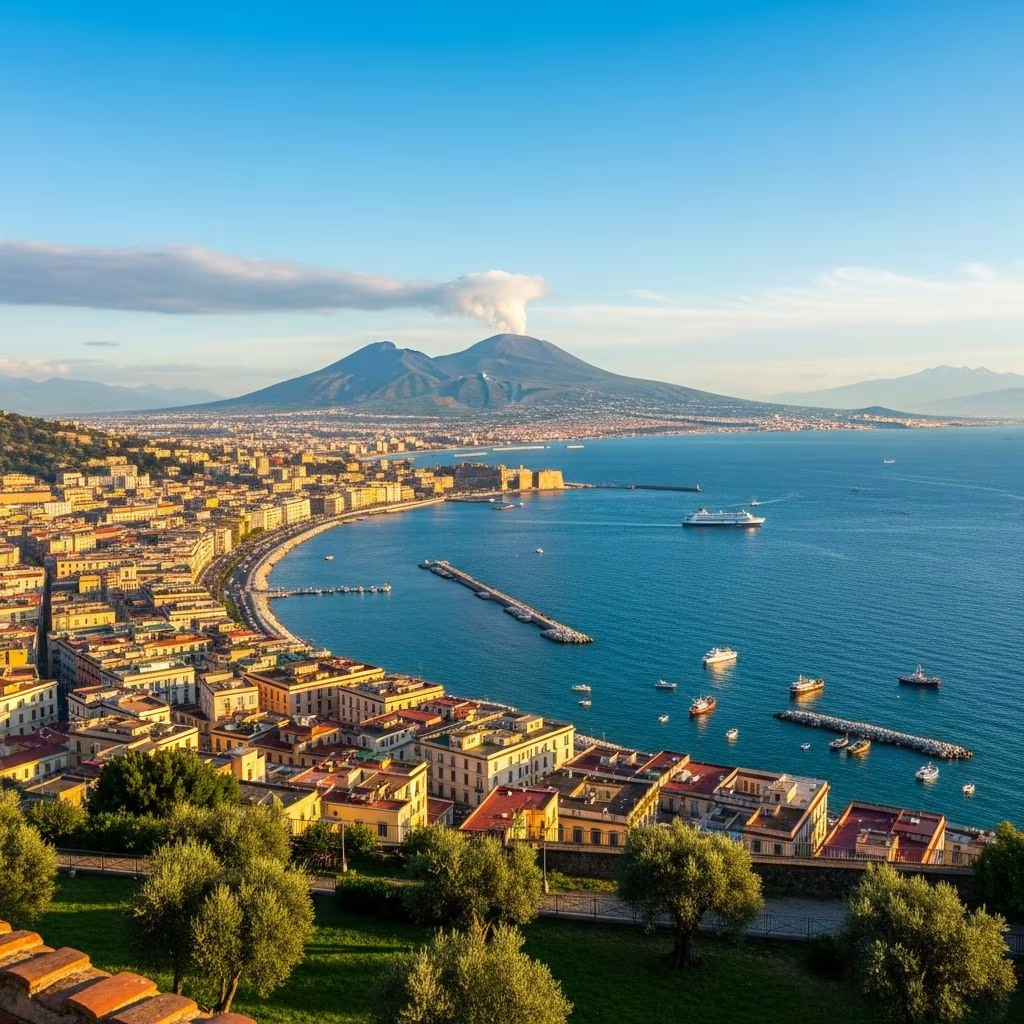
Naples stands as one of Europe’s most compelling yet frequently misunderstood destinations. Positioned along the Campania coast in southern Italy, this sprawling metropolis pulses with a distinctive energy that sets it apart from the polished elegance of northern Italian cities. The metropolitan area encompasses almost three million residents, creating a dense urban landscape filled with centuries of layered history, culinary traditions, and street-level authenticity that captivates visitors willing to embrace its raw, unfiltered character.
Naples functions as the capital of the Campania region and serves as the gateway to some of Italy’s most celebrated archaeological and natural wonders. The city’s position on the Bay of Naples provides stunning maritime views, while the looming presence of Mount Vesuvius—one of Europe’s most active volcanoes—shapes both the landscape and the local consciousness. The combination of volcanic history, dense urban development, and Mediterranean culture creates an atmosphere that feels distinctly different from other Italian destinations.
The city’s character emerges from centuries of historical layering. Once serving as the capital of the Kingdom of the Two Sicilies, Naples carries architectural and cultural remnants from Norman, Bourbon, and modern Italian periods. This historical complexity means that neighborhoods often transition dramatically within a few blocks, with baroque palaces standing alongside modest residential buildings, and ancient Roman structures lying beneath contemporary street-level commerce.
Planning your Naples visit requires understanding seasonal patterns and tourist flows. The summer months from June through August bring peak temperatures and maximum visitor numbers, creating crowded attractions and elevated accommodation prices. Spring (April-May) and fall (September-October) offer more temperate weather, manageable crowds, and better conditions for exploring both the city and nearby archaeological sites.
For first-time visitors, allocating a minimum of three full days allows time to explore the historic center, venture to either Pompeii or Mount Vesuvius, and experience the slower-paced moments that often yield the most authentic Neapolitan experiences. Visitors with five to six days can incorporate day trips to the Amalfi Coast, Caserta’s royal palace, or the island of Capri, while maintaining a more relaxed exploration pace.
Naples’ historic core contains numerous sites that deserve attention from both history enthusiasts and casual travelers. The National Archaeological Museum houses one of the world’s most significant collections of Roman artifacts, including treasures recovered from Pompeii and Herculaneum as well as Greek masterpieces in Roman copies. This institution provides essential context for understanding the region’s archaeological heritage.
Piazza del Plebiscito serves as Naples’ primary civic square, bordered by the imposing Royal Palace of Naples and the neoclassical Basilica of San Francesco di Paola. This expansive plaza underwent transformation from its problematic period as a public parking lot back into a dignified public gathering space, occasionally hosting open-air concerts and cultural events.
The Teatro di San Carlo, an 18th-century opera house accessed through Galleria Umberto I, represents one of Europe’s most elegant theatrical venues. This ornate shopping gallery features intricate mosaic floors and maintains architectural grandeur despite housing contemporary retail establishments. Visitors can tour the theater or attend performances during the cultural season.
The Cappella Sansevero showcases Baroque artistry through elaborate sculptures and frescoes, while Napoli Sotterranea offers underground tours through Naples’ extensive cave system that served as shelters during World War II. These sites provide perspectives on Naples’ spiritual heritage and wartime experience respectively.
Authentic Neapolitan experiences emerge through neighborhood exploration rather than conventional sightseeing. The Quartieri Spagnoli (Spanish Quarter) comprises narrow streets originally laid out for 16th-century Spanish barracks, now transformed into one of Naples’ most vibrant residential areas. Colorful facades, local shops, street-level activity, and the constant presence of motor scooters characterize this densely populated neighborhood that rewards casual wandering.
Piazza Dante and Piazza Bellini attract both locals and visitors seeking authentic urban environments. These squares provide excellent settings for observing daily Neapolitan life while enjoying coffee or casual meals at surrounding establishments.
Via dei Tribunali and Spaccanapoli comprise different sections of the same historic route traversing Naples’ ancient center. Walking the entire length creates a journey through pizza shops, church facades, neighborhood businesses, and local residents engaged in daily commerce and socializing. This thoroughfare essentially bisects Naples and connects many significant historical sites.
The Lungomare waterfront promenade stretches along the Bay of Naples, offering panoramic sea views and accessible recreation areas. This popular walking route provides respite from urban density while framing views of Vesuvius and nearby islands.
Naples earned global recognition for pizza through centuries of culinary refinement. Authentic Neapolitan pizza features simple ingredients—San Marzano tomatoes, mozzarella cheese, basil, and high-temperature wood-fired cooking—combined according to strict traditional methods. Pizzerias throughout the city range from casual neighborhood establishments to renowned destinations attracting international food pilgrims.
Beyond pizza, Naples offers distinctive seafood preparations reflecting its Mediterranean location. The historic fish market near Porta Nolana Station provides atmospheric early-morning experiences showcasing the catch from local waters and the vendor interactions that characterize traditional Italian food commerce. This market functions both as tourist attraction and working facility serving local residents.
Street-level food culture permeates Naples more visibly than in most Italian cities. Pastry shops offer sfogliatelle (layered pastry with ricotta filling) and other Neapolitan specialties, while informal eateries serve prepared foods at street-level service windows throughout residential neighborhoods.
The archaeological site of Pompeii ranks among the world’s most significant historical destinations. This Roman city, buried under volcanic ash during Mount Vesuvius’s eruption in 79 AD, remained remarkably preserved for nearly two millennia. The sprawling open-air museum allows visitors to walk through streets, homes, and public buildings essentially frozen in time, providing unparalleled insights into daily Roman life.
Reaching Pompeii from Naples requires approximately 40 minutes via the Circumvesuviana train, which operates frequently but often experiences crowding during peak hours. The Campania Express offers more comfortable conditions with four daily departures and a €15 fare, while public buses provide less crowded alternatives for those prioritizing quieter transit. Guided tours, bookable through the official Pompeii website or upon arrival at the park entrance, enhance understanding of the archaeological narrative.
Mount Vesuvius itself presents climbing opportunities for visitors interested in observing the volcanic crater and panoramic views from the summit. This active volcano dominates the Bay of Naples landscape and profoundly influenced the region’s history, culture, and consciousness. Clear weather days offer optimal visibility for both the crater views and surrounding coastal vistas.
The Reggia di Capodimonte (Palace of Capodimonte) functions as a former Bourbon royal residence situated within expansive grounds overlooking Naples. This ornate architectural palace now houses an impressive art collection originally assembled by the Farnese family, including paintings and decorative arts spanning multiple centuries. The surrounding park provides recreational space unusual in Naples’ generally dense urban environment, making the palace an attractive destination for art lovers and those seeking green space.
Naples’ public transportation system includes metro lines, buses, and the Circumvesuviana rail connecting the city to surrounding areas including Pompeii and coastal destinations. Navigation requires orientation to the historic center’s dense street network and sloped terrain, though the primary tourist attractions concentrate within manageable walking distances.
Taxi services operate throughout the city, though prices require negotiation or meter confirmation. Scooters and motor scooters proliferate as primary local transportation, requiring pedestrian alertness in narrow streets and plazas.
Naples offers more affordable travel experiences compared to northern Italian cities, with accommodation and dining costs significantly lower than tourist-heavy northern regions. Budget-conscious travelers can enjoy substantial meals, accommodations, and attraction access at reasonable prices, making Naples an economical base for exploring the broader Campania region including the Amalfi Coast and nearby islands.
| Duration | Recommended Activities |
|---|---|
| 2-3 Days | Historic center exploration, Pompeii or Vesuvius day trip, neighborhood walking, pizza dining |
| 4-5 Days | All above plus Capodimonte Palace, Amalfi Coast boat trip, slower neighborhood exploration |
| 6+ Days | All attractions plus Caserta royal palace, Capri island visit, extended local experiences |
Spring (April-May) and fall (September-October) provide optimal weather with moderate temperatures and fewer crowds than summer months. However, Naples remains accessible year-round, with winter offering the quietest atmosphere.
The Circumvesuviana train provides the most economical option with frequent departures and approximately 40-minute travel time, though crowding occurs during peak hours. The Campania Express offers greater comfort with four daily departures at €15.
Naples experiences higher crime rates compared to other major Italian cities, though tourists generally remain safe by maintaining standard urban precautions such as avoiding isolated areas after dark, securing belongings, and remaining aware of surroundings in crowded spaces.
Yes, organized day trips typically combine both sites, though dedicated exploration of either location individually provides more thorough experiences. Independent travel allows flexible scheduling between the two attractions.
While many neighborhoods offer authentic experiences, visitors should exercise particular caution in isolated areas after dark and remain alert in extremely crowded spaces during peak hours. Guided tours of less familiar areas provide safer exploration options.
Naples rewards travelers willing to embrace its distinctive character rather than expecting the polished tourist experiences characteristic of other Italian destinations. The combination of world-class archaeology, authentic street-level culture, exceptional cuisine, and Mediterranean maritime setting creates experiences fundamentally different from northern Italy. Success in Naples requires patience, openness to spontaneity, and appreciation for urban complexity. The city’s most memorable moments frequently emerge through unplanned neighborhood wandering rather than methodical attraction-checking, making flexibility essential to understanding why repeat visitors consistently return to this vibrant, raw, and authentically Italian metropolis.
