

 Travel Essentials
 Travel Essentials

Discover essential strategies for booking campsites, selecting ideal parks, and preparing for unforgettable camping experiences across U.S. national parks.
 Travel Essentials
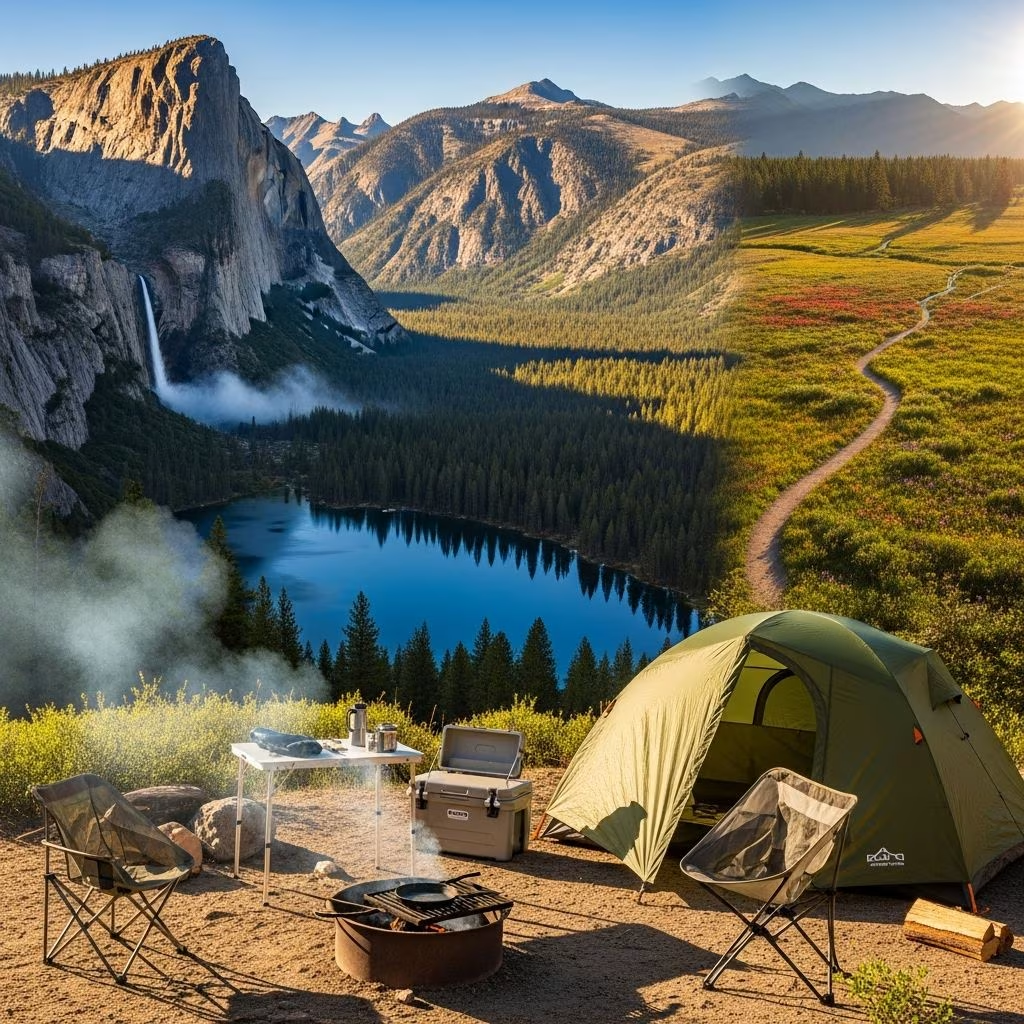
When planning a camping trip to a national park, one of the most critical decisions you’ll make is choosing between frontcountry and backcountry camping. These two approaches offer fundamentally different experiences, each with distinct advantages and requirements.
Frontcountry camping allows you to drive your vehicle directly to your campsite, eliminating the need for extensive backpacking or carrying heavy equipment long distances. These campgrounds are strategically positioned for accessibility, with most offering advance reservation options, though some operate on a first-come, first-served basis. Frontcountry sites typically charge a designated fee and provide convenient amenities including functional bathrooms, potable water supplies, picnic tables, and fire pits. Whether you’re pitching a traditional tent or sleeping in your vehicle, frontcountry campgrounds accommodate various camping styles, and many feature electric hookup options for RV travelers.
Backcountry camping represents a more primitive and immersive wilderness experience. This approach requires hikers to venture into remote areas on foot, carrying all necessary equipment and supplies. Backcountry camping demands greater physical preparation and self-sufficiency, as amenities are minimal or nonexistent. However, this style rewards adventurers with unparalleled solitude, authentic wilderness encounters, and a genuine connection to pristine natural environments.
Securing a desirable campsite in popular national parks requires understanding the reservation system and timing your bookings strategically. The federal government operates Recreation.gov, a centralized platform managing reservations across numerous national park campgrounds. This website serves as your primary resource for booking frontcountry campsites at most major parks.
Many national parks open their reservation windows approximately 6 months in advance. This extended lead time means that popular parks like Grand Canyon and Glacier often accept bookings well before your intended travel dates. Mark your calendar for when your desired park opens its reservation window—typically, these dates are announced on individual park websites or the National Park Service official portal.
Peak season camping—generally spanning late spring through early fall—fills rapidly. For summer travel, begin checking availability the moment your park’s reservation window opens. If your preferred dates are unavailable, consider visiting during shoulder seasons (spring and fall), which typically offer milder weather, fewer crowds, and greater campsite availability.
When official national park campgrounds prove fully booked, you have alternatives. Unfortunately, free camping within park boundaries is virtually impossible and explicitly prohibited by park regulations. However, national parks are frequently bordered by national forests, Bureau of Land Management (BLM) land, and other public lands that permit dispersed camping at no cost.
Many experienced campers strategically locate free campsites just outside park boundaries, then conduct day trips into the park itself. This approach saves money while providing legitimate camping options. Digital tools like The Dyrt and iOverlander help identify legal free camping locations near parks you wish to explore. Additionally, private campground networks such as Hipcamp offer nearby alternatives with less restrictive terms and expanded amenities compared to official park facilities.
National park campgrounds vary significantly in their amenities and available services. Understanding these differences helps you select facilities matching your comfort preferences and travel style.
Beyond utility considerations, most national park campgrounds feature substantial facilities. Spacious campsites accommodate both RV and tent camping, offering generous space for pitching tents or setting up additional camp furniture. Standard amenities include picnic tables, fire pits or grills, and bathhouse facilities with shower access. Many campgrounds are strategically located adjacent to visitor centers and amphitheaters, enhancing your educational experience and evening entertainment options.
Not all national park campgrounds operate exclusively on reservation systems. Some maintain first-come, first-served policies, particularly at smaller or less-visited locations. These campgrounds experience predictable surge patterns—Friday afternoons through Sunday mornings typically fill to capacity, while weekday availability remains significantly higher.
If pursuing first-come, first-served sites, adjust your travel timing accordingly. Arriving during weekday mornings dramatically increases your chances of obtaining a desirable campsite. Prepare a backup plan before departing home. Whether this means identifying alternative parks, researching nearby private campgrounds, or locating dispersed camping options, having contingencies prevents disappointment or difficult last-minute decisions.
| Park Name | Notable Campground | Key Features | Booking Strategy |
|---|---|---|---|
| Zion National Park | Watchman Campground | 30-amp electrical hookups; walking distance to visitor center and shuttle system | Reserve 6 months in advance during peak season |
| Guadalupe Mountains National Park | Pine Springs Campground | Dry camping with 360-degree panoramic views; direct trailhead access to park’s most popular hiking route | Smaller capacity; book early |
| Grand Canyon National Park | South Rim Campgrounds | Year-round availability; layered rock formations billions of years old | Reserve up to 6 months in advance |
| Glacier National Park | 13 Front Country Locations | View moose, bears, and 200+ bird species; rolling basis reservations | Book up to 6 months ahead |
| Great Smoky Mountains National Park | Cades Cove & Smokemont | Year-round availability; other sites open March-October | Peak season requires early reservations |
Your journey to securing a campsite begins at the official national park website for your chosen destination. Each park maintains comprehensive camping information within its “Plan Your Visit” section. Navigate to the “Eating & Sleeping” category, then select “Camping” to access detailed information about all available options.
Every listed campground specifies essential details including available services, site types (RV-only, combined RV/tent, tent-only, or walk-in/hike-in options), and reservation procedures. Some parks manage reservations directly through their websites, while others direct visitors to Recreation.gov or private concessionaire operators. The NPS app and individual park websites remain your most reliable information sources, particularly for current conditions, seasonal closures, and real-time availability.
National parks experience distinct seasonal variations affecting campground availability, weather conditions, and visitor density. Understanding these patterns helps optimize your camping experience.
Summer Season: Peak visitation (typically June through August) brings full campgrounds, higher accommodation prices, and crowded park facilities. However, nearly all campgrounds operate during summer, and warm weather permits extensive hiking and outdoor activities.
Shoulder Seasons (Spring and Fall): These periods offer milder weather, significantly fewer crowds, and improved campsite availability compared to peak summer. Spring typically spans March through May, while fall covers September through October. Both seasons provide comfortable camping conditions with reduced competition for prime sites.
Winter Season: Most national park campgrounds close seasonally, though some maintain year-round operations. Winter camping requires specialized preparation but rewards dedicated adventurers with solitude and unique environmental beauty. Elevation, geographic location, and park-specific policies determine winter camping availability.
Recreational vehicle travelers face specific constraints when selecting national park campgrounds. Size limitations vary significantly across parks—larger RVs and extended trailers may exceed length restrictions at many facilities. Research your specific park’s size requirements before booking, as exceeding maximum length restrictions can result in reservation cancellations or relocation requirements.
While full hookups remain rare in national parks, strategic site selection provides viable options. Parks offering complete hookup facilities include Big Bend, Death Valley, Everglades, Pinnacles, Yellowstone, and Zion. For RVers requiring electrical service, Watchman Campground in Zion provides 30-amp connections with convenient proximity to park infrastructure. Private campground networks near park boundaries often accommodate larger RVs with modern amenities including EV chargers and full hookup services.
Comfortable camping requires appropriate equipment. A quality, durable mattress represents your most important investment for achieving restorative sleep in outdoor environments. Prioritize comfort alongside durability when selecting camping bedding. Additional essential items include weather-appropriate shelter, sleeping bags rated for seasonal temperatures, and cooking equipment suitable for your campsite’s facilities.
Begin monitoring your desired park’s reservation window approximately 6 months before your intended travel dates. Most parks release reservations on specific dates; checking the park’s website provides exact timing. For popular parks during peak season, availability disappears within days or hours of the reservation window opening.
Frontcountry camping allows vehicle access to your campsite and typically includes amenities like bathrooms and water. Backcountry camping involves hiking to remote locations with minimal facilities, requiring greater preparation but offering superior wilderness immersion.
Free legal camping within national park boundaries is virtually impossible. However, adjacent national forests and BLM lands frequently permit free dispersed camping just outside official park boundaries.
Great Smoky Mountains National Park maintains year-round camping at Cades Cove and Smokemont campgrounds. Grand Canyon’s South Rim campgrounds operate year-round, though North Rim closes October through May. Most other parks operate seasonally, typically March through October.
Visit each park’s official website and navigate to the “Plan Your Visit” section, then select “Camping” for comprehensive information. Recreation.gov serves as the primary reservation platform for most parks. The National Park Service app provides additional resources and current conditions.
