Staying within a national park boundaries offers travelers an unparalleled opportunity to immerse themselves in pristine natural landscapes without sacrificing comfort or convenience. Rather than commuting from distant towns, guests who choose in-park accommodations wake to stunning vistas, enjoy extended exploration time, and experience the parks’ unique character throughout their visit. The following guide explores exceptional lodging options that blend modern amenities with authentic wilderness experiences across America’s most treasured protected areas.
Understanding In-Park vs. Gateway Lodging
National park accommodations fall into two primary categories: facilities located within park boundaries and those positioned just outside entrance areas. In-park properties provide direct access to attractions, allowing visitors to maximize their time on trails and viewpoints. Gateway lodgings offer more options and sometimes lower rates, though they require additional travel time to reach park features. Understanding these distinctions helps travelers determine which option best suits their schedule, budget, and preferred experience level.
Many parks feature limited in-park accommodations, creating high demand during peak seasons. Planning well in advance—often months ahead—becomes essential for securing preferred rooms or cabins. Conversely, gateway communities typically offer greater availability and diverse price points, making them suitable for flexible travelers or those visiting during shoulder seasons.
Historic Mountain Lodges: Architectural Treasures
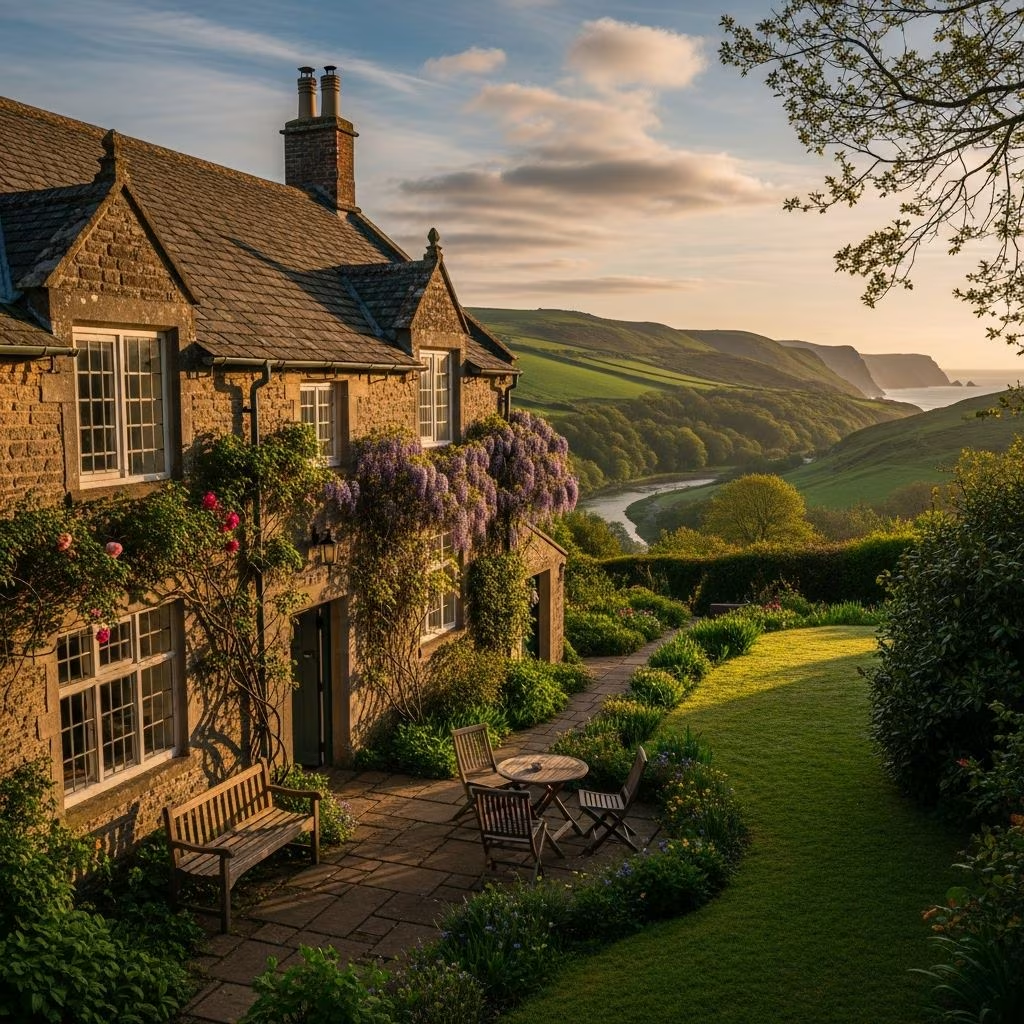
Several national parks preserve historic lodge buildings constructed during the early twentieth century, representing architectural heritage alongside natural preservation. These establishments originally served wealthy visitors traveling by rail and carriage, and many maintain their original character while incorporating contemporary conveniences. The rustic grandeur of these structures complements their mountain and canyon settings, creating atmospheric bases for exploration.
Historic lodges typically feature common areas with massive stone fireplaces, vintage furnishings, and period details that transport guests to earlier eras of American travel culture. Guest rooms range from traditionally appointed chambers to modern suites, allowing visitors to choose their preferred balance between authentic period experience and current comfort standards. Dining facilities within these properties often emphasize locally sourced ingredients and regional cuisine, enhancing the sense of place.
Alpine Retreats and Mountain Views
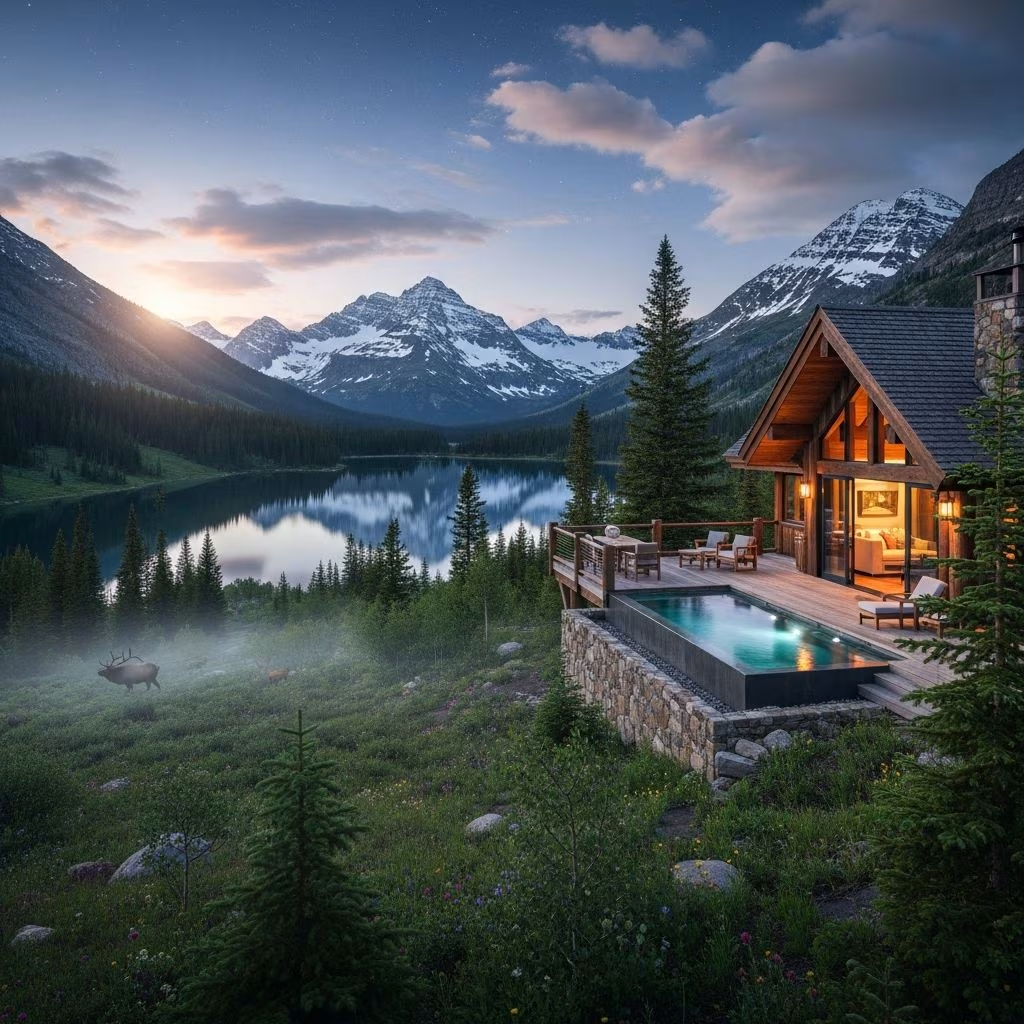
Properties positioned at higher elevations provide dramatic mountain vistas and access to alpine ecosystems. These accommodations typically feature cabins or lodge rooms with windows framing pristine peaks and forested slopes. Guests staying at such facilities benefit from cooler temperatures during summer months and the opportunity to observe wildlife in natural habitats.
Many mountain lodges include amenities specifically designed for alpine exploration. Guided horseback riding expeditions traverse backcountry trails, while gourmet dining experiences showcase regional specialties and award-winning wine collections. Some properties provide bicycles for self-guided exploration, allowing guests to venture along park roads and shorter trail systems at their own pace. Morning breakfasts often include hearty preparations designed to fuel day-long adventures, while evening meals celebrate the day’s discoveries.
Specific Mountain Destinations
- Towering peaks visible from cabin windows create memorable overnight experiences
- High-altitude meadows accessible via guided walks during summer months
- Stargazing opportunities enhanced by elevation and minimal light pollution
- Seasonal wildflower displays painting slopes with vibrant colors
- Cooler evening temperatures ideal for comfortable sleeping
Gateway Communities and Nearby Alternatives
Towns positioned just outside park entrances offer expanded lodging selections, frequently featuring chain hotels, independent inns, and budget-friendly options unavailable within parks. These communities provide dining variety, gift shops, and services that enhance visitor convenience. Gateway lodging becomes particularly valuable during peak seasons when in-park facilities reach capacity, or for travelers seeking specific amenities like spas or conference facilities.
Strategic positioning near multiple park entrances makes gateway communities attractive bases for extended visits exploring various park regions. Travelers can select lodging based on preferred amenities and price points, then drive short distances to trailheads and attractions. This approach particularly suits families with young children, visitors with mobility considerations, or those prioritizing comfort over immersion.
Seasonal Availability and Booking Strategies
National park accommodations operate on seasonal schedules reflecting weather patterns and visitor demand. Summer months typically see complete occupancy, while shoulder seasons (spring and fall) offer better availability alongside pleasant weather. Winter closures affect many properties at higher elevations or in northern regions, though some parks maintain year-round operations.
Advance reservations become essential for peak season visits, with many properties opening bookings six to twelve months ahead. Travelers should monitor reservation systems starting six months before planned visits, as popular accommodations fill quickly. Cancellation policies vary significantly, making it important to review terms before booking. Last-minute travelers might find availability by calling properties directly, as occasional cancellations create openings even during busy periods.
Seasonal Considerations Table
| Season | Availability | Weather | Booking Strategy |
|---|---|---|---|
| Summer (June-August) | Limited to none | Warmest, most stable | Book 6-12 months ahead |
| Spring (April-May) | Moderate | Variable, increasingly pleasant | Book 3-6 months ahead |
| Fall (September-October) | Good | Cooling, often spectacular colors | Book 2-4 months ahead |
| Winter (November-March) | Excellent | Cold, snowy at elevation | Book as needed; call for specials |
Accommodation Types and Configurations
National park lodging encompasses diverse accommodation styles catering to various preferences and budgets. Traditional lodge rooms typically feature period-appropriate furnishings within historic buildings, offering authentic experiences alongside modern amenities like climate control and private bathrooms. Cabin accommodations range from rustic structures with minimal facilities to fully appointed homes with multiple bedrooms and full kitchens.
Modern eco-resort properties represent recent additions to park accommodations, combining contemporary design with environmental consciousness. These facilities often feature sustainable building materials, renewable energy systems, and water conservation technologies. Glamping options—luxury camping with furnished tents or yurts—appeal to adventurous travelers seeking outdoor immersion with comfort amenities. Cottage-style units provide middle-ground options between traditional cabins and lodge rooms, often including sitting areas and enhanced privacy.
Accommodation Feature Comparison
- Historic Lodge Rooms: Traditional aesthetics, shared or private baths, common gathering spaces, often no in-room phones or TVs
- Modern Cabins: Private facilities, full kitchens, heating/cooling, varying luxury levels
- Eco-Resort Suites: Contemporary design, sustainable features, premium amenities, environmental education components
- Glamping Accommodations: Canvas or fabric structures, basic furnishings, shared facilities, immersive nature connection
- Cottage Units: Independent structures, living areas, kitchen facilities, enhanced privacy
Amenities and Guest Services
In-park accommodations vary significantly in available amenities, reflecting their position within parks and operational constraints. Properties within parks typically prioritize essentials—comfortable beds, private bathrooms, climate control—while minimizing environmental impact. Many restrict televisions, telephones, or internet access, encouraging guests to focus on natural surroundings and community interaction.
Dining facilities range from casual cafeterias to fine restaurants emphasizing regional cuisine and locally sourced ingredients. Some properties offer packed lunch options for guests planning full-day explorations, reducing the need to leave parks during daylight hours. Activity programs organized by staff or partner companies facilitate guided experiences—naturalist walks, ranger talks, photography workshops—enriching visitor understanding of park ecosystems and geology.
Recreational amenities often include bicycles, fishing equipment, and sports gear available for guest use. Conference facilities accommodate small meetings and events, making some properties suitable for corporate retreats or family reunions. Spa services, fitness centers, and pool facilities appear increasingly in newer or recently renovated properties, though such amenities remain less common within park boundaries than in gateway communities.
Planning Your In-Park Stay
Successful in-park experiences require thoughtful planning addressing numerous variables. First-time visitors benefit from researching park geography, understanding which regions contain accommodations, and identifying primary attractions. Some parks concentrate lodging in single areas, limiting flexibility, while others distribute facilities across multiple zones.
Determining optimal stay length involves balancing desired experiences with logistical constraints. A single night enables visitors to experience park highlights and atmospheric in-park dining, while multi-night stays facilitate deeper exploration of backcountry areas and diverse ecosystems. Multi-night visitors should plan varied activities—longer hikes one day, scenic drives another, educational programs on others—to maintain engagement throughout their visit.
Budget considerations should account for room rates, meal costs, activity fees, and transportation. In-park accommodations and dining typically cost more than gateway alternatives, but convenience and time savings often justify premium pricing. Package deals combining lodging, meals, and activities sometimes offer better value than booking components separately.
Frequently Asked Questions
What should I pack for in-park accommodations?
Pack layers suitable for temperature variations between daytime hiking and cooler evenings. Comfortable walking shoes essential for exploration, rain gear for weather changes, and sun protection remain important regardless of season. Most accommodations provide basic toiletries, though personal preferences might warrant bringing preferred products. Binoculars and cameras enhance wildlife viewing and photography. Many parks prohibit certain items—check facility guidelines before packing.
Are pets allowed in national park accommodations?
Pet policies vary considerably by property. Some facilities welcome dogs in designated cabins for additional fees, while others prohibit animals entirely. Contact specific properties to determine their policies. Park regulations regarding pets on trails and in public areas also vary—always review current guidelines on park websites.
How far in advance should I book?
Peak season (summer) reservations should be made 6-12 months ahead. Shoulder seasons allow 2-4 months advance booking. Winter visits typically require less advance planning, with 2-8 weeks notice usually sufficient. Always check specific properties, as some popular year-round destinations fill quickly regardless of season.
What dining options are available for dietary restrictions?
Contact properties in advance regarding dietary needs—vegetarian, vegan, gluten-free, allergies. Most accommodations accommodate special requests with advance notice. Bringing supplementary provisions offers backup assurance, particularly in remote park locations with limited services.
Can I find affordable in-park lodging?
Budget options include basic cabin accommodations without private bathrooms, dormitory-style rooms, or off-season rates at properties that remain open. Gateway communities typically offer more affordable options than in-park facilities. Visiting during shoulder seasons (spring/fall) or winter reduces accommodation costs while providing excellent experiences.
Conclusion
In-park accommodations transform national park visits from day-excursion experiences into immersive wilderness retreats. Whether selecting historic lodges steeped in early-twentieth-century elegance, contemporary eco-resorts showcasing sustainable practices, or rustic cabins providing authentic backcountry experiences, visitors find options matching diverse preferences and budgets. Staying within park boundaries maximizes exploration time, deepens environmental connection, and creates memorable experiences within America’s most spectacular protected landscapes. Strategic planning, advance reservations, and thoughtful consideration of accommodation types ensure satisfying stays that complement rather than compete with the parks’ primary attractions.
References
- America’s National Park Lodges, Hotels and Inns — Park Ranger John. Accessed April 2026. https://www.parkrangerjohn.com/americas-national-park-lodges-hotels-and-inns/
- These 12 unique lodges let you stay within US national parks — Lonely Planet. Accessed April 2026. https://www.lonelyplanet.com/articles/best-national-park-lodges
- U.S. National Park Lodges & Hotels — Expedia. Accessed April 2026. https://www.expedia.com/lp/b/us-national-parks-lodging
- Yellowstone National Park Lodges: Lodging in Yellowstone — Yellowstone National Park Lodges Official. Accessed April 2026. https://www.yellowstonenationalparklodges.com