

Food & Culture Stays Travel Essentials Travel Guides Trip Ideas
Categories
From the Blog
Remy’s Ratatouille Adventure at EPCOT: Ride Review, Tips & 2D Update
Travel Essentials

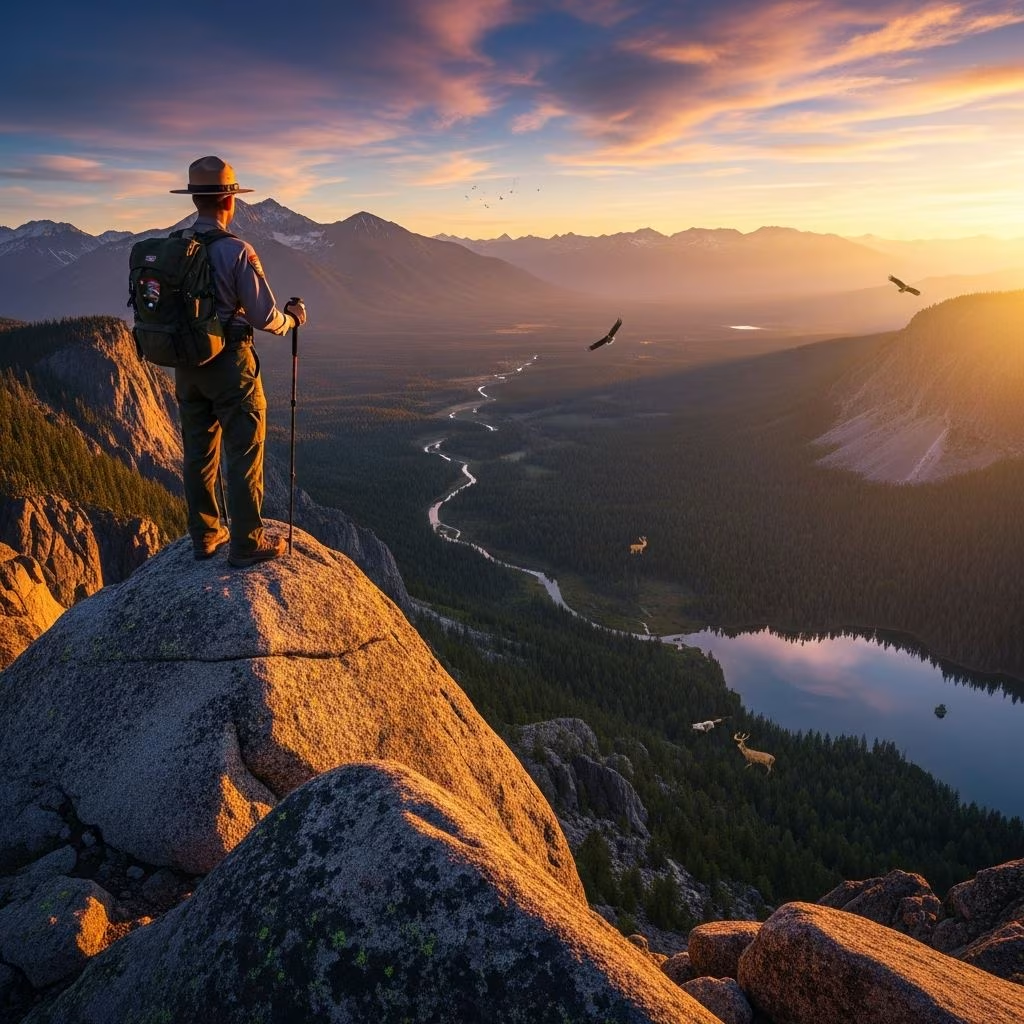
National Park Travel Tips from Park Rangers

Discover essential ranger-approved tips for planning visits, staying safe, engaging with nature, and making the most of national parks without crowds or mishaps.
Travel Essentials

America’s national parks offer breathtaking landscapes, diverse wildlife, and endless opportunities for adventure. To truly maximize your visit, draw from the wisdom of seasoned park rangers who protect these treasures daily. This guide compiles proven strategies for seamless planning, hazard avoidance, and immersive experiences, ensuring your trip is safe, enjoyable, and memorable.

Mastering Pre-Trip Preparation

Effective national park visits start long before you pack your bags. Rangers emphasize thorough research to sidestep common pitfalls like closed trails or reservation bottlenecks.

  • Research park-specific rules: Every park has unique requirements for permits, food storage, and group sizes. Check the official park website for current regulations, seasonal closures, and entry fees.
  • Download essential apps: The NPS app provides offline maps, ranger-led tour details, accessibility info, and real-time updates—perfect for areas with no cell service.
  • Build flexible itineraries: Outline key attractions, hiking options, and sunrise/sunset times while online. Include backups for weather shifts or overcrowding.

Visitor centers serve as goldmines for last-minute intel. Rangers there offer tailored advice on trail difficulty, current conditions, and hidden gems based on your group’s needs.

Peak seasons transform popular parks into bustling hubs. Proactive booking prevents disappointment.

Park ExampleReservation NeedBest Strategy
YosemiteTimed entry permitsBook 3-6 months ahead
Rocky MountainScenic drive accessEarly morning slots
YellowstoneCampgrounds/lodgesOff-season or weekdays

Opt for shoulder seasons (spring/fall) or early/late hours to dodge lines. Arriving at dawn often means solitary trails and prime wildlife viewing. Patience pays off—rangers note that crowds thin after 9 AM and before 4 PM.

Prioritizing Safety in the Wild

National parks’ raw beauty demands respect for nature’s power. Rangers stress prevention over rescue.

  • Buddy system and group cohesion: Never hike alone; stay within sight of your party to minimize lost visitor risks.
  • Trail discipline: Stick to marked paths to avoid slips, encounters with hazards, or erosion damage. Shortcuts endanger lives and ecosystems.
  • Gear checklist: Pack first aid kits, bear spray (where required), ample water (1 gallon/person/day), high-energy snacks, layered clothing, and navigation tools.

Designate a safety leader for groups to monitor weather, equipment, and emergencies. Practice skills like CPR beforehand. Always inform someone outside your group of your plans.

Wildlife Encounters: Observe, Don’t Interact

Seeing bison, bears, or elk is thrilling but risky if mishandled. Rangers enforce strict distances to protect both visitors and animals.

  • Maintain **100 yards** from bears/wolves and **25 yards** from all other wildlife, including bison.
  • Use binoculars or zoom lenses for photos—never approach for selfies.
  • Store food in bear-proof containers or vehicle trunks; never leave it in tents.
  • Hike noisily in bear country: talk loudly, clap, or use bells to alert animals.

You’re a guest in their home—disruption stresses wildlife and can lead to aggressive behavior or euthanization.

Family-Friendly Park Magic

National parks captivate all ages, especially with interactive programs. The free Junior Ranger initiative engages kids through age-appropriate activities like scavenger hunts and journals.

  • Pick up booklets at visitor centers.
  • Complete tasks on trails or exhibits.
  • Return for a swearing-in ceremony and badge—kids beam with pride.

Ranger-led hikes, stargazing, and campfire talks build lasting memories while teaching stewardship.

Sustainable Practices for Future Generations

Leave No Trace principles ensure parks endure. Rangers urge minimal impact.

  • Pack out all trash, including micro-bits like apple cores.
  • Use privies; bury human waste 6-8 inches deep if none available.
  • Avoid picking plants/flowers or feeding animals.
  • Stay on durable surfaces to prevent trail sprawl.

Respect historic sites—don’t carve, climb, or touch artifacts.

Leveraging Technology and Local Knowledge

Blend digital tools with human expertise. Beyond the NPS app, follow park social media for alerts and events.

At entry stations or centers, grab free maps and ask rangers pointed questions: “What’s the best moderate hike for families today?” Their insights often reveal under-the-radar spots.

Weather Wisdom and Backup Strategies

Conditions change rapidly—flash floods, lightning, snow. Monitor forecasts via NPS sites and pack accordingly.

  • Lightning: Seek low ground, avoid ridges.
  • Heat: Hydrate proactively, rest in shade.
  • Cold: Layer with wool/synthetics, not cotton.

Always have Plan B: shorter loops, drives, or nearby sites if trails close.

Accessibility and Inclusivity

Many parks offer wheelchair-friendly paths, audio guides, and adaptive programs. The NPS app flags these—plan inclusive routes.

Common Pitfalls to Avoid

MistakeConsequenceRanger Fix
No water planningDehydration/heat illness1 gal/person/day minimum
Feeding wildlifeDependency/aggressionSecure all attractants
Off-trail wanderingInjury/erosionDesignated paths only
Ignoring closuresFines/dangerCheck visitor center first

FAQs: Your National Park Questions Answered

What should I pack for a day hike?

The ten essentials: navigation, sun protection, insulation, illumination, first aid, fire, repair kit, food, water, emergency shelter.

Are pets allowed in national parks?

Generally no on trails; leashed in campgrounds/developed areas only. Check park rules.

How early should I arrive in peak season?

First light—beat crowds and secure spots.

What’s the fine for feeding wildlife?

Up to $5,000 and jail time; it’s deadly for animals.

Can I camp without a reservation?

First-come sites exist but fill fast; book ahead for guarantees.

Embrace these ranger-honed tactics to transform your national park journey from good to legendary. Safe travels!

References

  1. 10 Must-Do Prep Tips for Visiting America’s National Parks — Travelling Lens. 2023. https://travellinglens.substack.com/p/10-prep-tips-for-national-parks
  2. Tips for Safely Visiting National Parks — National Parks Conservation Association. 2024. https://www.nationalparks.org/connect/blog/tips-safely-visiting-national-parks
  3. Plan Your Vacation Like a Park Ranger — U.S. National Park Service. 2023-10-01. https://www.nps.gov/aboutus/news/plan-like-a-park-ranger.htm
  4. Things to Know Before Visiting the US National Parks — For the Love of Wanderlust. 2022. https://fortheloveofwanderlust.com/things-to-know-before-visiting-the-us-national-parks/
  5. Plan Your National Park Vacation Like a Park Ranger — RVIA. 2023. https://www.rvia.org/news-insights/plan-your-national-park-vacation-park-ranger
  6. Top 10 Ranger Tips for planning a summer visit to Yellowstone — National Parks Collecting (YouTube). 2023. https://www.youtube.com/watch?v=ekZLqE7XRU0
ME
medha deb
Medha Deb is an editor with…

Medha Deb is an editor with a master's degree in Applied Linguistics from the University of Hyderabad. She believes that her qualification has helped her develop a deep understanding of language and its application in various contexts. Medha specializes in the areas of beauty, health, sports, and wellness and is committed to ensuring that the content on the website is of the highest quality.Medha's passion for writing and editing began early in life when she joined a book writer's club with her mother. It was there that she discovered her love for the written word and the power it holds to inform, inspire, and transform lives. Since then, she has honed her skills as a writer and editor, working with a variety of clients and publications to produce compelling and informative content. Currently, she writes and edits for CultureTreker.She is also an ardent animal lover and dedicates her time and resources to the foster care of neonatal kittens, providing them with the love and attention they need to thrive. Her commitment to animal welfare is a testament to her compassion and empathy, and it underscores her belief in the importance of caring for the most vulnerable members of our society.

← Previous
Best Parks and Gardens in Melbourne: Top Green Spaces to Explore
‹›
