

 Travel Essentials
 Travel Essentials

Explore the national parks with the highest mosquito populations, why they thrive there, and practical tips to minimize bites during your visit.
 Travel Essentials
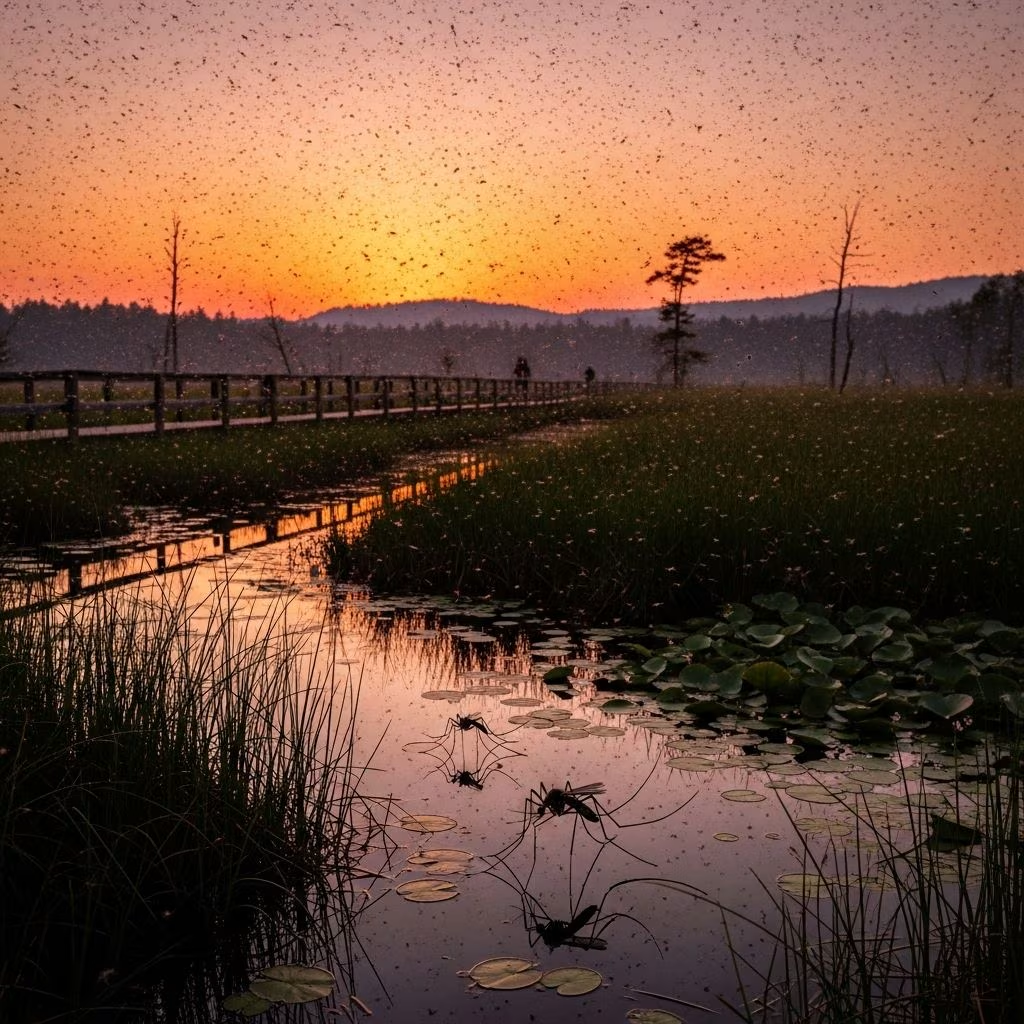
Mosquitoes can transform a dream national park trip into an itchy nightmare, with swarms descending on hikers and campers alike. Data from specialized forecasts reveal specific parks where these pests peak in activity, driven by climate, water sources, and local species abundance. Understanding these hotspots empowers travelers to prepare effectively or choose alternatives.
Mosquito populations explode in environments rich in standing water, warmth, and vegetation—hallmarks of many protected lands. Females lay eggs in moist areas like marshes, ponds, and even temporary puddles after rain, hatching into larvae that mature rapidly in humid conditions. National parks often preserve these natural breeding grounds to protect biodiversity, forgoing widespread pesticide use.
Forecast models integrate weather patterns, temperature, and entomological data to predict activity levels by region. High-risk zones feature consistent moisture from rivers, lakes, or floods, fostering dozens of species. For instance, certain parks host over 20 mosquito varieties, each with unique biting habits and peak seasons.
Several U.S. national parks consistently rank highest for mosquito encounters, based on predictive analytics and visitor reports. These destinations demand robust defenses for enjoyable exploration.
| Park Name | Key Factors | Peak Season | Species Count (Est.) |
|---|---|---|---|
| Shenandoah National Park | Humid forests, streams | Summer | Multiple |
| Badlands National Park | Seasonal wetlands | Late spring-summer | High |
| Everglades National Park | Swamps, mangroves | Year-round, peaks wet season | Diverse |
| Rocky Mountain National Park | Mountain meadows, snowmelt | July-August | Abundant |
| White Sands National Park | Moisture-trapping dunes | Summer rains | Notable |
| Yellowstone National Park | Thermal pools, rivers | July biting peaks | 29 species |
| Congaree National Park | Floodplain forests | Mid-spring to mid-fall | At least 20 |
These parks top lists from mosquito activity forecasts, combining local species research with real-time weather inputs. Yellowstone alone documents 29 culicid species, with certain types dominating summer biting counts.
In Virginia’s Shenandoah, dense canopies and abundant streams create perfect mosquito habitats. Visitors report heavy activity along trails, especially in shaded, low-lying areas. The park’s eastern location amplifies humidity, sustaining populations through peak visitation months.
South Dakota’s Badlands appear arid, but seasonal rains fill depressions, breeding aggressive biters. Prairie potholes become nurseries, leading to surges after storms. Hikers in draws face the worst concentrations.
Florida’s vast wetlands host year-round mosquitoes, intensifying during rainy seasons. Mangrove edges and sawgrass prairies teem with species adapted to saline and fresh waters. Early settlers battled swarms that felled livestock overnight.
Some parks deploy innovative meters to gauge current threats. Congaree National Park’s “Skeeter Meter” rates conditions from “All Clear” to “War Zone,” updating via social media post-floods or rains. Levels reflect egg-laying sites from recent weather, helping plan outings. Everglades’ Flamingo center features a similar gauge, alerting to intensity spikes.
Check park apps, NPS sites, or forecasts before traveling. Real-time data pinpoints safe windows, like early mornings or post-frost periods when activity dips.
Preparation trumps reaction. Layer defenses for high-risk parks:
Test combinations pre-trip. Reapply after sweat or water exposure for continuous coverage.
Not all parks buzz with pests. Arid or high-elevation sites offer respite without losing scenic thrills.
These maintain adventure minus the itch, per activity maps.
Mosquito seasons vary: Southern parks like Everglades buzz perpetually, northern ones like Yellowstone peak mid-summer from snowmelt. Climate shifts extend ranges northward, with warmer winters boosting overwintering eggs. Recent floods in places like South Carolina amplify Congaree threats.
Track long-term trends via NPS ecology reports. Adaptive travel—off-peak visits—preserves enjoyment.
Bites transmit diseases like West Nile or Zika in some regions, though national parks report low incidence. Allergic reactions swell welts; infections follow scratches. Hydrate, monitor symptoms, seek care for fever post-visit.
Forecasts highlight Shenandoah, Everglades, and Congaree for top activity, with Yellowstone hosting 29 species.
Employ DEET repellents, protective clothing, and visit during low-activity times like winter or mid-day.
Rarely, to safeguard wildlife; they rely on meters and visitor precautions instead.
Low-activity options like Joshua Tree or Utah’s Mighty Five minimize encounters.
December-April in southern sites; post-frost in northern ones.
Armed with this intel, tailor trips to evade swarms. High-risk parks reward the prepared with unparalleled beauty—pack smart, check meters, and embrace the wild responsibly.
