

 Travel Essentials
 Travel Essentials

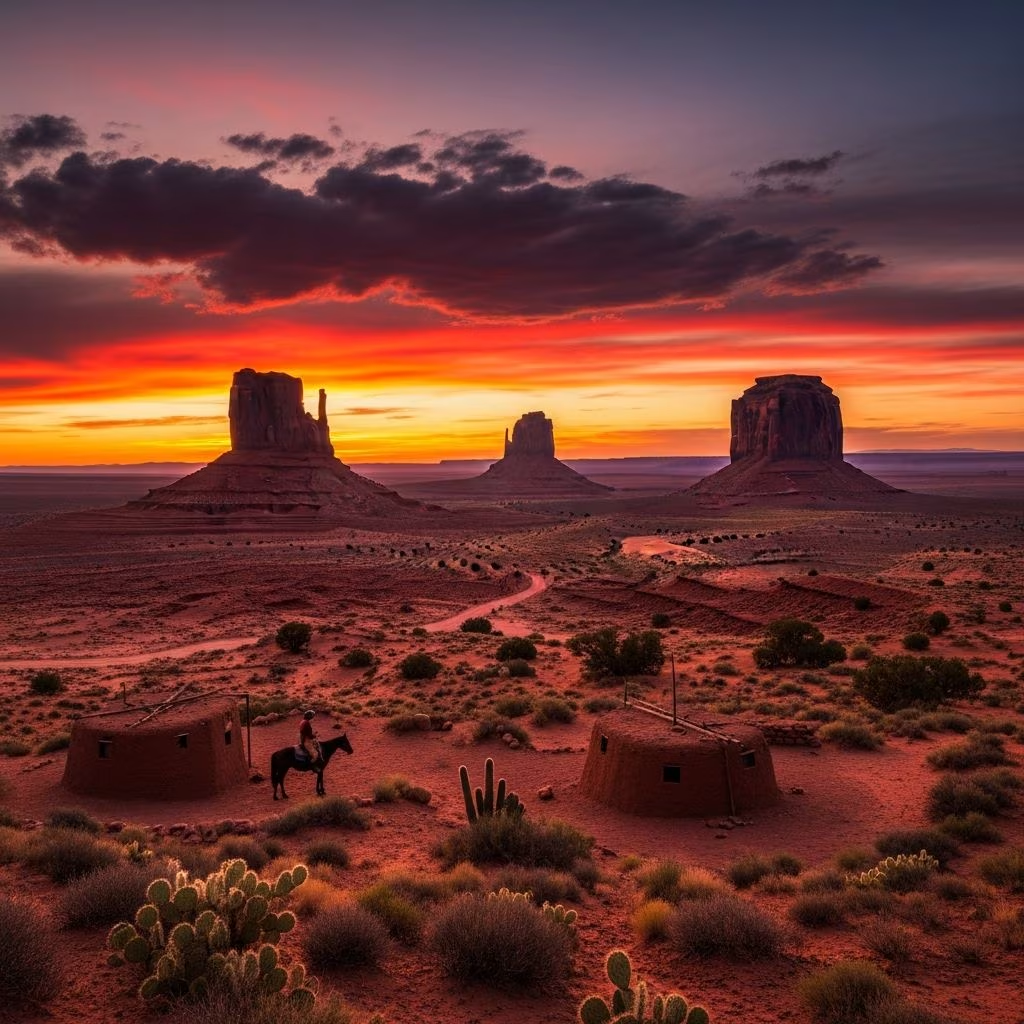
Discover the Navajo Nation's history, culture, iconic landmarks like Monument Valley, and essential etiquette for an authentic visit to this expansive reservation.
 Travel Essentials
The Navajo Nation, home to the Diné people, spans over 27,000 square miles across Arizona, New Mexico, and Utah, making it the largest reservation in the United States. This vast territory offers breathtaking landscapes, profound cultural heritage, and opportunities for respectful exploration.
The Navajo, known as Diné, trace their roots to Athabaskan ancestors from northwest Canada and Alaska around the 15th century. Migrating southward, they adapted to the Southwest’s deserts and canyons, blending hunting, gathering, farming, and later herding into their way of life. Central to Diné philosophy is hozho, a concept of balance, beauty, and harmony that permeates spirituality, art, and daily practices.
Four sacred mountains define the traditional boundaries: Blanca Peak (east, white), Mount Taylor (south, blue), San Francisco Peaks (west, yellow), and Hesperus Peak (north, black). These sites, along with rivers and lightning-struck trees, are revered as traditional cultural properties (TCPs) essential for ceremonies involving prayers, songs, pollen offerings, and gemstones. The Navajo Nation Heritage and Historic Preservation Department actively protects these elements, consulting on developments to safeguard cultural integrity.
Navajo history reflects remarkable endurance. In 1864, U.S. forces under Kit Carson forced 8,000-10,000 Diné on the Long Walk to Bosque Redondo, a tragic 300-mile relocation causing immense suffering. The 1868 treaty established the reservation, allowing return and cultural revival. Today, over 300,000 enrolled members maintain traditions amid modern challenges.
The Navajo Nation boasts iconic sites blending geology and spirituality.
This UNESCO-recognized area features towering sandstone buttes like the Mittens, sacred in Diné lore. Guided tours by Navajo operators reveal geological stories and photo spots. Entry: $20/vehicle; tours $75+ per person.
Within the Nation, this 84,000-acre canyon holds Ancestral Puebloan ruins like White House Ruin. Drive South Rim overlooks or join Jeep tours; hiking Mummy Cave requires guides. It’s a living landscape for Diné farming and herding.
| Site | Location | Highlights | Access Notes |
|---|---|---|---|
| Antelope Canyon | Page, AZ | Slot canyons with light beams; photography tours. | Guided only; $50-100; timed tickets. |
| Window Rock | AZ (Capital) | Tribal HQ, WWII Code Talker Museum. | Free; open daily. |
| Hubbell Trading Post | AZ | Historic site with weaving demos. | NPS-managed; free. |
| Shiprock Pinnacle | NM | Sacred volcanic neck; no climbing. | View from roads; respect closures. |
Engage through art, crafts, and events. Navajo weaving, renowned for intricate rugs, uses natural dyes from sacred plants. Turquoise jewelry symbolizes protection. Visit the Navajo Nation Museum in Window Rock for exhibits, a hogan replica, and library.
Markets like the Western Navajo Fair showcase dances, rodeos, and vendors. Learn silversmithing or sandpainting, tied to healing ceremonies where colored sands depict spiritual stories.
Getting There: Fly into Albuquerque (ABQ), Flagstaff (FLG), or Phoenix (PHX); rent 4WD for remote roads. No major airports inside; shuttles available.
Best Times: Spring (Mar-May) or fall (Sep-Nov) for mild weather; summers hot (100°F+), winters snowy.
Costs: Budget $150-300/day including lodging, tours, meals.
Diné value privacy and harmony. Key rules:
Support locals: Buy direct from artists, dine at stands (frybread tacos legendary). Time differs—Navajo Standard Time lags Arizona by 1 hour.
Sacred sites face threats from development, climate change. Urbanization encroaches, disrupting rituals; education links reverence to stewardship. The Navajo Nation Council and Heritage Department enforce protections, emphasizing TCPs for hozho. Visitors aid by respecting boundaries.
Primarily Diné bizaad, a melodic Athabaskan tongue; English widely used.
No—dry reservation; violations fined.
Many sites self-guided, but tours recommended for depth/respect.
Limited; check parks.
Spotty; download maps.
