

 Travel Essentials
 Travel Essentials

Explore Nebraska's Platte River Valley during the sandhill crane migration, where up to a million birds gather. Learn viewing tips, prime spots, and conservation efforts for this stunning spectacle.
 Travel Essentials
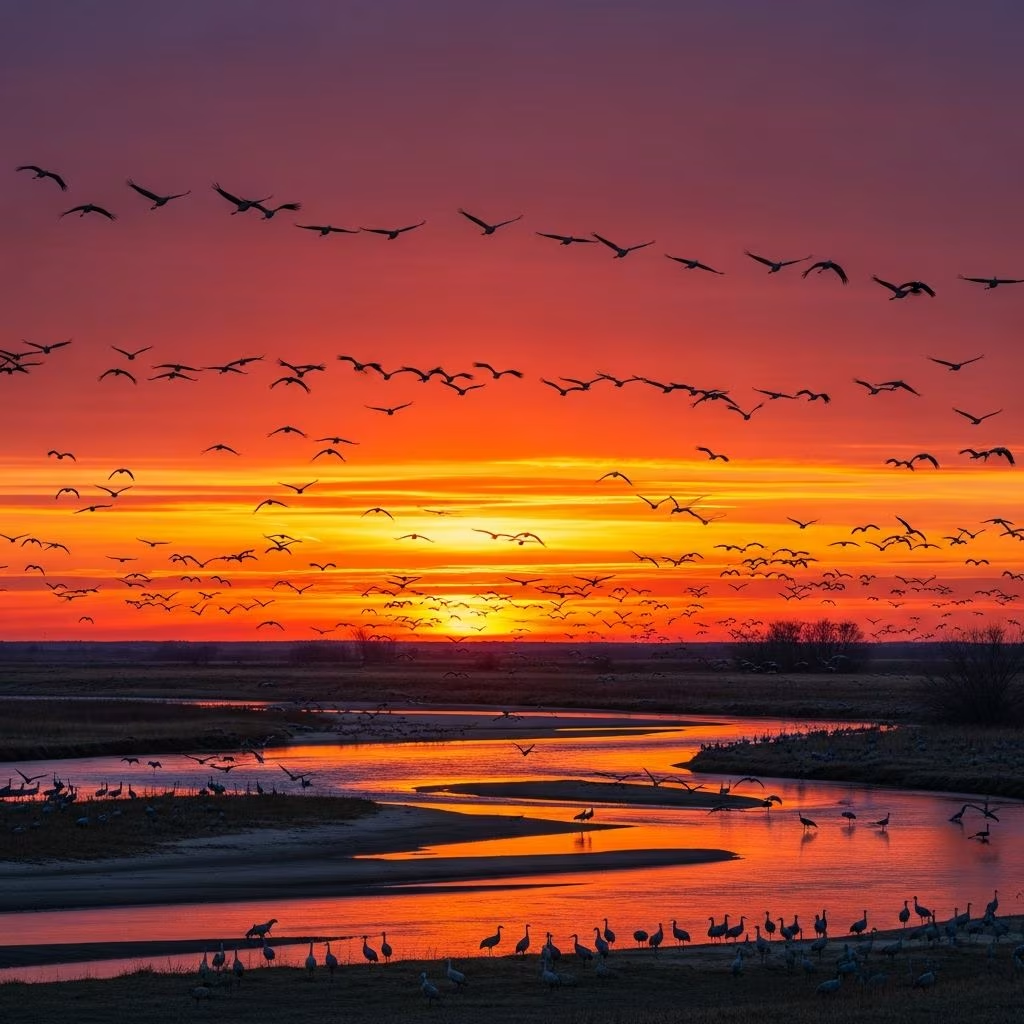
The Platte River Valley in central Nebraska transforms into one of North America’s most awe-inspiring natural events each spring, as vast flocks of sandhill cranes descend for their annual migration stopover. Hosting nearly 80% of the global population—up to one million birds—this gathering peaks from mid-February to early April, primarily in March, creating a symphony of calls, dances, and aerial displays.
Sandhill cranes, tall gray birds with striking red crowns and a wingspan reaching six feet, undertake grueling journeys from wintering grounds in Texas, New Mexico, and Mexico to breeding areas in Canada, Alaska, and Siberia. Nebraska’s central Platte River serves as a critical refueling station, where they fatten up on corn kernels from harvested fields and invertebrates from wetlands to double their body weight before the final northern push.
Arrival begins in mid-February, with numbers surging to peaks in late March. Warm springs accelerate the timeline, while harsh winters delay it slightly. By early April, a mass departure empties the valley, though stragglers linger into May. Daily flights cover 200-500 miles, but the Platte provides essential rest.
The Platte’s wide, shallow channels—often just six inches deep—offer perfect roosting spots at night, mimicking sandbars where cranes stand densely packed, up to 12,000 per half-mile. This setup protects them from predators while allowing quick escapes via flight. Daytime sees them foraging in adjacent cornfields and meadows.
This unique habitat, spanning 150 miles, concentrates the world’s largest crane assembly, making it unparalleled globally.
Timing your visit maximizes the spectacle. Sunrise and sunset deliver the most dramatic scenes, while daytime offers flexible exploration.
| Time of Day | What to Expect | Best Locations |
|---|---|---|
| Sunrise | Cranes ‘rise’ in unison, filling the sky with thousands amid trumpeting calls and courtship dances. | Blinds at Crane Trust, Rowe Sanctuary |
| Daytime | Foraging flocks in fields; drive rural roads for close encounters. | Cornfields near Platte, designated pull-offs |
| Sunset | Mass flights to river roosts; kettles soaring like smoke wisps. | River blinds, footbridges |
March hosts peak density, but check weather-influenced patterns.
Near Wood River, the Crane Trust manages 10,000 acres of protected habitat. Expert-led blind tours place you inches from roosting cranes at dawn and dusk. Options include:
Booking for March 2026 opens soon; virtual tours available for remote viewers.
In Gibbon, the Iain Nicolson Audubon Center at Rowe Sanctuary debuts an expanded facility with accessibility-focused exhibits on crane ecology. Sunrise/sunset blind tours mirror Crane Trust offerings, plus a live crane cam for previews. Trails explore prairie habitats teeming with feeder birds.
For budget flexibility, scan harvested fields and meadows within miles of the Platte. Safe spots include gravel roadsides away from bridges. Sunrise/sunset river views shine from public accesses; daytime driving yields foraging groups.
Safety Tip: Park off-road, use binoculars/spotting scopes, and maintain distance to avoid disturbance.
When to Go: Mid-March for maximum numbers; extend to late March for stragglers.
Where to Stay:
What to Bring:
Costs: Tours $25-100/person; free self-guided. Book blinds early—fills fast!
Beyond numbers, observe intricate dances: Pairs leap, bow, and toss grass in synchronized displays. Unmated birds join ‘kettles’ for aerial scouting. Listen for their rollicking bugle—a prehistoric chorus echoing across the valley.
Habitat loss from river channeling, agriculture, and development threatens this flyway. Organizations like Crane Trust and Audubon restore wet meadows, manage flows, and advocate for protections. Your visit supports these efforts via fees and awareness.
Climate shifts may alter timings; ongoing monitoring ensures resilience.
Peak viewing occurs mid-to-late March along the Platte River Valley, from mid-February to early April.
No—self-guided roadside viewing works well daytime—but guided blinds offer closest sunrise/sunset access.
Yes; Crane Trust daytime tours suit ages 6+, with accessible options at Rowe’s new center.
Absolutely; photo workshops available. Use long lenses from blinds to respect birds.
Cranes seek sheltered river stretches or fields; tours proceed with adjustments.
Pair crane viewing with Spring Creek Prairie Reserve trails, teeming with songbirds, bison, and wildflowers. Nearby, explore Fort Kearny historic site or Stolley State Recreation Area for hiking.
