

 Travel Essentials
 Travel Essentials

Discover vital tips for safe trekking in Nepal, covering altitude management, gear essentials, guided vs solo options, weather awareness, and emergency preparedness to ensure a thrilling yet secure journey.
 Travel Essentials
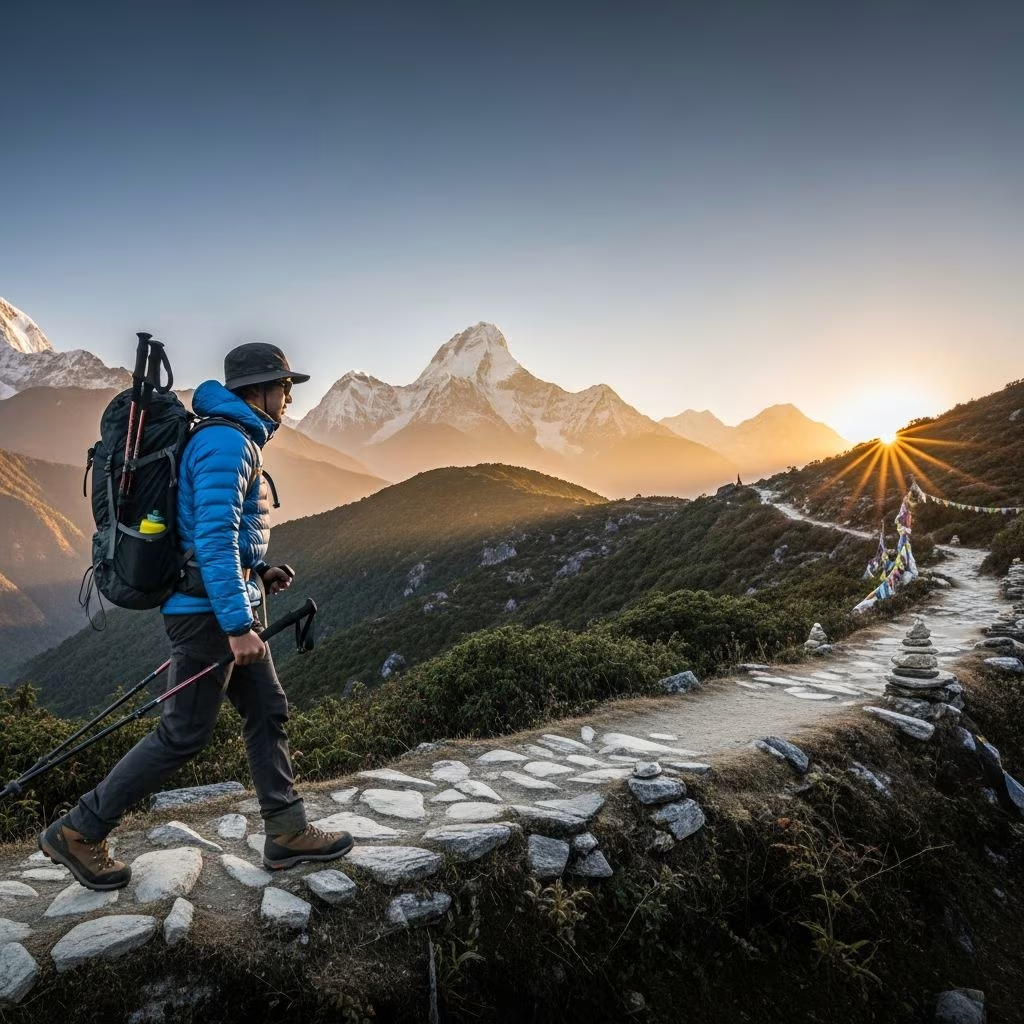
Nepal’s Himalayan trails offer breathtaking vistas and cultural immersion, but safety demands preparation and respect for the mountains. This guide equips trekkers with practical strategies to minimize risks and maximize enjoyment on routes like Everest Base Camp and Annapurna Circuit.
Nepal boasts diverse trekking options, from low-elevation paths below 4,000 meters to high-altitude challenges exceeding that threshold. Low-altitude routes feature milder weather, reliable facilities, and fewer health concerns, making them ideal for novices. High-altitude treks, however, introduce harsher conditions like extreme cold, snowfall, and remoteness, necessitating advanced planning.
Popular trails such as Poon Hill, Annapurna Base Camp (ABC), and Ghandruk-Ghorepani provide teahouses, checkpoints, and support networks, enhancing safety. Remote areas like Dolpo or Kanchenjunga lack phone coverage and medical posts, amplifying the need for self-reliance tools.
The primary threat on Nepali treks is **altitude sickness**, affecting anyone due to thinner air above 2,500 meters. Symptoms include headaches, nausea, dizziness, and severe cases like pulmonary or cerebral edema, which can be fatal without descent.
Beyond altitude, gastrointestinal issues from contaminated water pose risks. Always purify water via tablets, filters, or boiling.
Proper equipment is non-negotiable for Nepal’s unpredictable weather, shifting from scorching sun to freezing nights and sudden snow.
| Category | Low-Altitude Essentials | High-Altitude Must-Haves |
|---|---|---|
| Clothing | Breathable layers, rain jacket, umbrella for summer | Thermal base layers, insulated jacket, waterproof pants, gloves |
| Footwear | Sturdy hiking boots, gaiters | Crampons for snow, insulated boots |
| Protection | Sunscreen, hat | Snow goggles, high-UV sunglasses, balaclava |
| Other | Daypack, trekking poles | Sleeping bag (rated to -10°C), headlamp |
Carry a comprehensive first-aid kit: painkillers, anti-diarrheal, bandages, altitude meds, and blister treatments. For remoteness, pack a satellite phone or GPS tracker.
Solo trekking suits experienced adventurers on marked, popular routes with TIMS (Trekkers’ Information Management System) checkpoints that track progress and alert authorities in emergencies.
Guided treks excel for safety, especially for beginners or high-altitude ventures. Licensed guides receive first-aid and mountain safety training, navigate hazards, provide cultural insights, and liaise with locals for real-time updates.
Recommendation: First-timers or remote trekkers hire guides; pairs or groups suffice for standard routes.
Nepal’s mountains deliver sudden monsoons, landslides, avalanches, and rockfalls, particularly in narrow valleys or snowy zones.
Government initiatives post-disasters include weather warnings and GPS mandates, though enforcement varies.
Mandatory: Secure trek-specific insurance covering helicopter evacuation up to 6,000 meters—essential as roads are absent in most areas.
Share your itinerary with family, your embassy, and lodge owners; update daily. Carry emergency contacts and a whistle.
In crises:
Obtain TIMS card (US$20-40) and region-specific permits (e.g., Everest US$30/week). Checkpoints ensure route adherence and safety.
Respect norms: ‘Namaste’ greetings, modest dress in villages, no littering—’take only photos, leave only footprints’.
| Route | Duration | Max Altitude | Best For | Safety Notes |
|---|---|---|---|---|
| Poon Hill | 4-5 days | 3,210m | Beginners | Teahouses, low altitude risk |
| Annapurna Circuit | 10-15 days | 5,416m | Intermediate | Guided recommended, acclimatization days |
| Everest Base Camp | 12-16 days | 5,364m | Advanced | High traffic, but altitude critical |
Yes, on popular routes with daytime travel and teahouse stays; guides add security.
Acclimatize, hydrate, ascend slowly, and descend at symptom onset.
Spring (Mar-May) and autumn (Sep-Nov) offer clear skies and stable weather.
Not for easy, marked trails, but essential for remote or first-time high-altitude.
Insurance enables heli-evac; satellite communicators summon help.
With diligent preparation, Nepal’s trails transform risks into rewarding adventures. Prioritize safety to savor the Himalayas fully.
