

 Travel Essentials
 Travel Essentials

Explore Nepal's Terai region: wildlife in Chitwan and Bardia, Lumbini's sacred sites, birdwatching havens, and adventure beyond the Himalayas. Perfect for first-time visitors seeking nature and culture.
 Travel Essentials
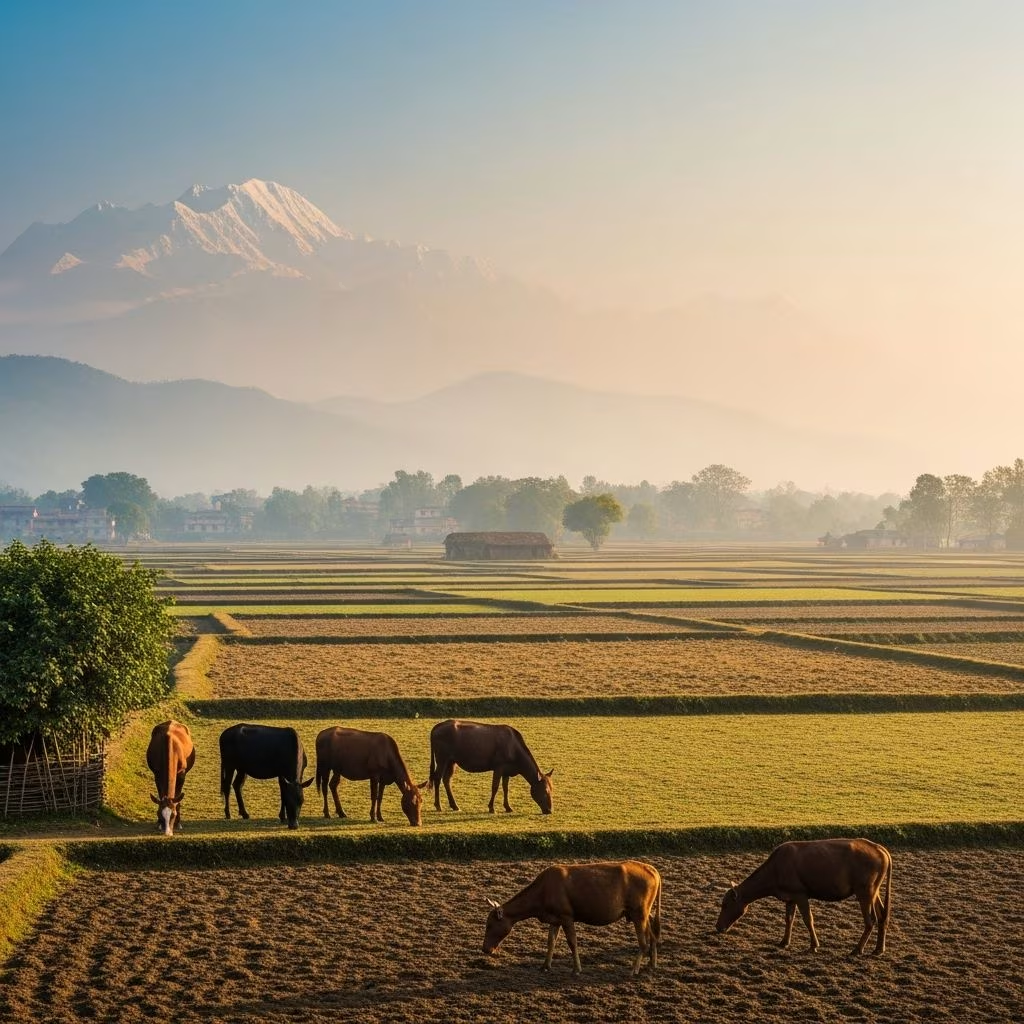
Nepal’s Terai region stretches across the southern plains, offering a stark contrast to the towering Himalayas. This lush expanse of grasslands, forests, and rivers teems with wildlife, ancient cultural sites, and vibrant local communities, making it an ideal destination for nature lovers and cultural explorers alike.
The Terai forms Nepal’s southern frontier, a narrow band of subtropical lowlands bordering India. Comprising fertile floodplains fed by Himalayan rivers like the Rapti and Saptakoshi, it features diverse ecosystems from dense sal forests to marshy wetlands. This flat terrain, rarely exceeding 300 meters in elevation, supports rich biodiversity and agriculture, including rice paddies and tea estates.
Climate varies seasonally: cool, dry winters (November-February) with temperatures around 10-25°C provide the best visiting window, ideal for outdoor activities. Summers (March-May) bring heat up to 40°C, while monsoons (June-September) deliver heavy rains, transforming landscapes but risking floods and malaria. October offers a pleasant transition with post-monsoon clarity.
| Season | Temperature Range | Best For | Challenges |
|---|---|---|---|
| Winter (Nov-Feb) | 10-25°C | Wildlife safaris, birding | Cool evenings |
| Pre-monsoon (Mar-May) | 25-40°C | Fewer crowds | Intense heat |
| Monsoon (Jun-Sep) | 25-35°C | Lush greenery | Rain, leeches, malaria |
| Post-monsoon (Oct) | 20-30°C | Clear skies, festivals | Peak crowds |
The Terai shines as Nepal’s premier wildlife destination, home to UNESCO-listed parks boasting Asia’s top biodiversity hotspots.
Spanning 952 sq km along the Rapti River, Chitwan National Park shelters over 700 one-horned rhinos, wild elephants, and elusive Bengal tigers. Its mosaic of grasslands, lakes, and sal forests supports 68 mammal species and 544 birds. Explore via jeep safaris, canoe trips through crocodile-infested waters, or guided jungle walks. Rhino populations have surged from near-extinction, marking a conservation triumph.
For authentic immersion, base in Tharu community homestays near Sauraha or quieter spots like Barauli, where women-led initiatives offer cooking classes and village bike tours.
In the far west, Bardia offers higher tiger sighting odds than Chitwan, amid denser forests and fewer visitors. Spot tigers, gangetic dolphins in the Karnali River, and diverse birds on elephant-back or 4WD excursions. Its remoteness preserves a raw, less commercialized vibe.
Eastern Terai’s Koshi Tappu, on the Saptakoshi floodplain, hosts 500+ bird species, including swamp francolins, Bengal floricans, and migratory flocks from Siberia. Walk the 6km trail, spot Ganges dolphins, or wild water buffalo. Tented camps provide expert guides.
Beyond wildlife, the Terai cradles profound heritage sites blending Hindu, Buddhist, and indigenous Tharu traditions.
This UNESCO World Heritage site in the western Terai marks Prince Siddhartha Gautama’s birth in 563 BCE. Key attractions include the Maya Devi Temple with its sacred pond, ancient monastery ruins, and a bodhi tree marking the exact spot. Surrounding monasteries from Thailand, China, and Germany create a global pilgrimage hub. Visit the on-site museum for artifacts.
The Tharu people, malaria-resistant natives, maintain unique stick dances, intricate paintings, and cuisine like spicy curries and fermented fish. Homestays foster cultural exchange, from weaving workshops to festival participation.
Terai offers more than parks: hike tea-clad hills in Ilam, trek to Khaptad National Park’s meadows in the west, or wander Tansen’s Newari paths to temples and viewpoints. Cycle rural tracks or raft Karnali rapids in Bardia.
Top Adventures:
Getting There: Fly to Bharatpur (for Chitwan), Nepalgunj (Bardia), or Siddharthanagar (Lumbini) from Kathmandu. Bumpy buses or shared jeeps connect from India borders. Internal flights save time over 10+ hour drives.
Accommodation: Options range from luxury lodges like Chitwan’s Tiger Tops to budget guesthouses and eco-homestays. Book park permits and guides in advance.
Health Precautions: Malaria risk peaks in monsoon; use repellents, nets, and prophylactics. Leeches abound in wet seasons—salt repels them. Carry water purifiers.
| Destination | Access | Stay Options | Best Time |
|---|---|---|---|
| Chitwan | Fly to Bharatpur or bus | Homestays, resorts | Nov-Feb |
| Bardia | Fly to Nepalgunj | Jungle lodges | Oct-Mar |
| Lumbini | Fly to Bhairahawa | Monastery guesthouses | Oct-Apr |
| Koshi Tappu | Bus from Biratnagar | Tented camps | Nov-Feb |
Savor Tharu specialties: dhikri (rice dumplings), roti with wild pork curry, and sweet sel rotis. In towns, try momos, dal bhat, and chai amid bazaars. Festivals like Maghi (January) feature Tharu dances.
Terai’s parks exemplify rhino recovery, but poaching persists. Choose ethical operators avoiding elephant rides, support community tourism, and follow no-trace principles.
November to February for mild weather and peak wildlife viewing.
Yes, with standard precautions; stick to guided activities in parks.
7-10 days: 3 in Chitwan, 2 in Lumbini, 2 in Bardia.
Nepal visa on arrival; park entry ~$30 USD, plus guide fees.
Present June-October; consult doctor for prophylaxis.
