


 Food & Culture
Food & Culture
New Haven Apizza: The Story of Connecticut’s Iconic Coal-Fired Pizza
Explore New Haven's iconic apizza scene, from historic pizzerias like Pepe's and Sally's to the cultural passion that makes it a pizza pilgrimage destination.
 Food & Culture
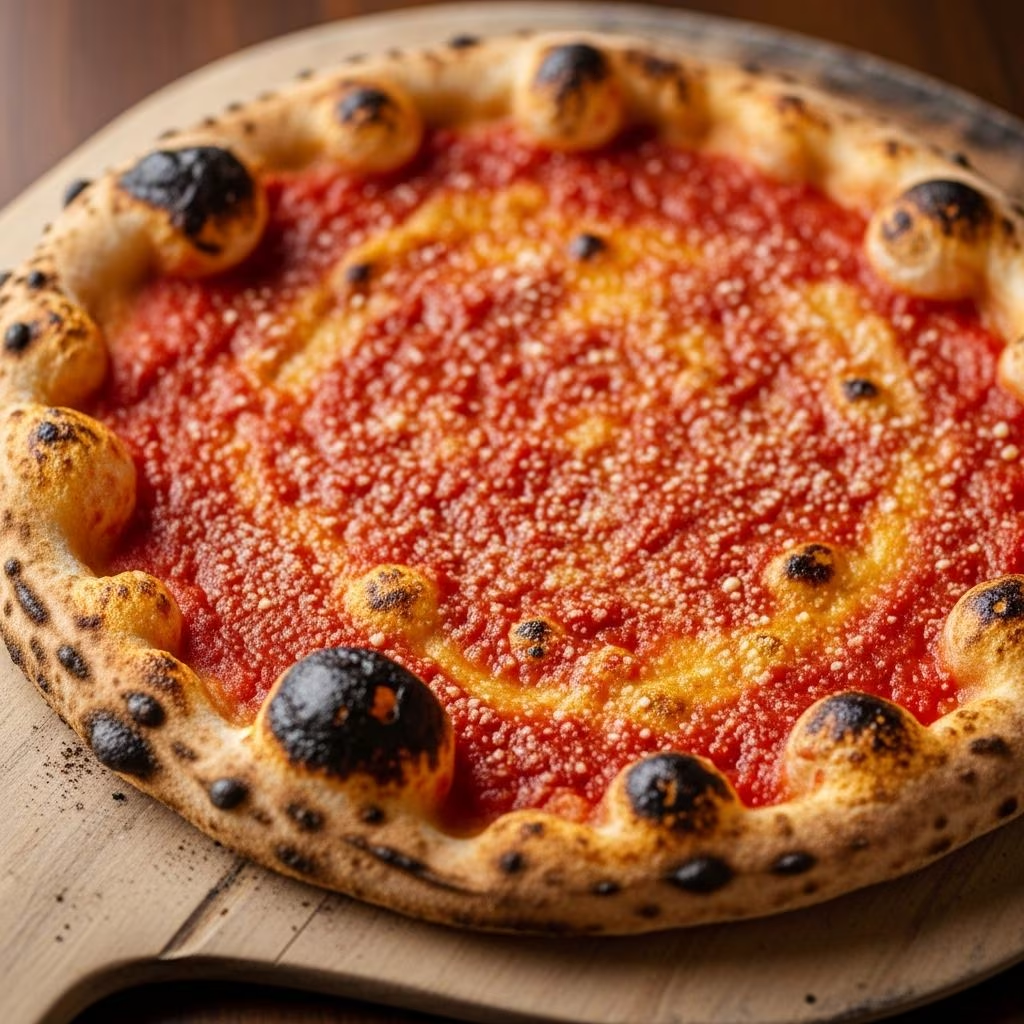
New Haven, Connecticut, stands as a beacon for pizza enthusiasts worldwide, where the thin, coal-charred crust known as apizza has elevated a simple dish into a cultural icon. This style, born from Italian immigrant roots, features oblong pies baked in blazing coal ovens, delivering a chewy texture and distinctive smokiness that sets it apart from other American pizzas.
The Immigrant Roots of a Pizza Revolution
In the late 19th century, waves of Italian immigrants from the Amalfi Coast arrived in New Haven, seeking factory jobs in the bustling industrial city. These newcomers brought baking traditions, firing up massive coal ovens to produce crusty breads for fellow workers. By the 1890s, these ovens became the foundation for something extraordinary: apizza.
Francesco “Frank” Pepe opened his pizzeria in 1925 on Wooster Street, marking the official birth of New Haven-style pizza. Pepe’s Napoletana drew from Neapolitan techniques but adapted to local coal fires, creating pies with blistered edges and minimal cheese. This innovation spread, influencing spots like Sally’s Apizza, founded by relatives, and Modern Apizza.
- Italian immigrants in the 1890s built coal ovens for bread, evolving into pizza production.
- Frank Pepe’s 1925 opening standardized the thin, charred crust.
- Family rivalries among pizzerias fueled quality and tradition.
Mastering the Art of Coal-Fired Apizza
The hallmark of apizza is its coal-fired baking, reaching temperatures over 900°F for just minutes. This process yields a crust that’s simultaneously crisp and chewy, with leopard-like char spots from the oven’s intense heat. Unlike gas or wood ovens, coal imparts a unique smoky depth without overpowering toppings.
Dough is stretched thin and often oblong, not round, to maximize crust exposure. Toppings remain sparse: fresh mozzarella sparingly applied to avoid sogginess, paired with crushed tomatoes and oregano. Signature pies like the white clam pizza—loaded with littleneck clams, garlic, and olive oil—epitomize this restraint.
| Pizza Style | Crust Type | Oven Fuel | Key Toppings |
|---|---|---|---|
| New Haven Apizza | Thin, oblong, charred | Coal | Clams, tomato, minimal cheese |
| New York Style | Foldable, hand-tossed | Gas/Wood | Cheese, pepperoni, heavy sauce |
| Neapolitan | Soft, puffy edge | Wood | San Marzano tomatoes, buffalo mozzarella |
Wooster Street: The Heartbeat of Apizza Culture
Wooster Street in New Haven’s Little Italy pulses with pizza heritage. Frank Pepe Pizzeria Napoletana, often ranked America’s top pizza spot, draws lines that snake around the block. Across the street, Sally’s Apizza upholds family recipes since 1938, famous for its tomato pie—a sauce-only masterpiece.
Modern Apizza, slightly off the main drag, offers a neighborhood vibe with inventive takes like the Spanish pie, blending chorizo and olives. These spots, within a six-block radius, ignite fierce local debates: Pepe’s for tradition, Sally’s for chew, Modern for innovation.
Visiting requires strategy. Expect waits of 1-2 hours, especially weekends. Many order takeout to picnic in nearby East Rock Park, pies staying hot in foil.
Signature Pies That Define the Scene
- White Clam Pizza (Pepe’s): Shucked clams, garlic, oregano, olive oil—no red sauce. The briny seafood shines against charred crust.
- Tomato Pie (Sally’s): Pure crushed tomatoes, pecorino, and herbs. Simplicity amplifies oven flavors.
- Mozzarella Pie (Modern): Fresh mozz, grated cheese, garlic—balanced and bubbly.
- Plain Apizza: Tomato, cheese, dustings of parm— the ultimate test of crust quality.
These aren’t loaded extravaganzas; they’re platforms for the oven’s magic. Locals pronounce it “ah-beetz,” ordering by shorthand like “plain tomato”.
Beyond the Big Three: Expanding Apizza Empire
New Haven’s influence extends nationally. Pepe’s and Sally’s outposts dot cities like New York and Boston, while independents like Zeneli’s in Waterbury carry the torch. Internationally, London spots replicate the coal-fired char, proving apizza’s global appeal.
Documentaries like “Pizza, A Love Story” capture this fervor, interviewing chefs, lining up fans, and exploring immigrant tales. Directed by Gorman Bechard, it highlights urban renewal’s role in preserving Wooster Street.
Why New Haven Apizza Captivates Food Lovers
Apizza’s allure lies in its purity. The coal char evokes Naples’ street ovens, but New Haven’s water—rumored for perfect dough—and relentless tradition elevate it. It’s drier than New York’s foldable slices, chewier than deep-dish, bridging old world and new.
Celebrities and politicians flock here: Presidents from Clinton to Biden have praised Pepe’s. Yet it’s the everyday lines of locals and pilgrims that affirm its status. One bite reveals why: crackly exterior yields to airy chew, flavors layered without excess.
Planning Your New Haven Pizza Pilgrimage
Start with Pepe’s for lunch (opens 11:30 AM), hit Sally’s for dinner. Walk off calories at Yale’s campus or Beinecke Library. Bridgeport offers Zuppardi’s for a coal-fired detour. Budget $20-30 per pie, feeding 2-4.
- Go early or late to beat crowds.
- Order whole pies—no slices at icons.
- Pair with Foxon Park sodas, a local staple.
- Combine with New Haven eats: lobster rolls at Lenny’s or burgers at Ted’s.
Apizza vs. the World: A Taste Test Guide
For skeptics, compare styles:
- Texture: Apizza’s char beats New York’s uniformity.
- Flavor: Smoky coal trumps gas blandness.
- Innovation: Clam pizza outshines pepperoni norms.
National accolades back this: Pepe’s tops lists decade after decade, despite New Haven’s tiny population.
FAQs: Your Apizza Questions Answered
What makes New Haven pizza different?
Thin, coal-charred crust, oblong shape, and sparse toppings distinguish apizza from thicker, cheesier styles.
Which pizzeria is best: Pepe’s, Sally’s, or Modern?
Debate rages—Pepe’s for tradition, Sally’s for tomato pie, Modern for accessibility. Try all three.
Is apizza gluten-free friendly?
Traditional apizza uses wheat flour; check for dedicated gluten-free options at newer spots.
How long to wait in line?
30 minutes to 2 hours peak times. Takeout skips seating hassles.
Can I get apizza outside Connecticut?
Yes, via Pepe’s/Sally’s expansions and copycats, though coal ovens are key.
The Future of New Haven’s Pizza Legacy
As generations pass recipes, apizza endures urban changes and copycats. New ovens maintain authenticity, while chefs experiment cautiously. New Haven remains pizza’s undisputed soul, where every char spot tells a century-old story.
References
- New Haven–style pizza — Wikipedia. 2024-01-15. https://en.wikipedia.org/wiki/New_Haven-style_pizza
- Pizza, A Love Story — CTMQ (Connecticut Museum Quarterly). 2023-05-20. https://www.ctmq.org/pizza-a-love-story/
- Pizza, A Love Story Trailer — YouTube (Official Channel). 2019-11-12. https://www.youtube.com/watch?v=w8GOXNSdc-s
- Why Is New Haven Pizza So Good? — YouTube (Tonic). 2020-03-10. https://www.youtube.com/watch?v=dm-8eMHS10s
On This Page
The Immigrant Roots of a Pizza Revolution Mastering the Art of Coal-Fired Apizza Wooster Street: The Heartbeat of Apizza Culture Signature Pies That Define the Scene Beyond the Big Three: Expanding Apizza Empire Why New Haven Apizza Captivates Food Lovers Planning Your New Haven Pizza Pilgrimage Apizza vs. the World: A Taste Test Guide FAQs: Your Apizza Questions Answered The Future of New Haven's Pizza Legacy← Previous
Best Time to Visit Cape Cod: A Seasonal Travel Guide
Next →
Best Florida Keys Hotels and Resorts for 2026
Related Reading
More in Food & Culture
Food & Culture Food & Culture
 Food & Culture
Best Places to Eat in Rome: Neighborhood Dining Guide
 Food & Culture
 Food & Culture