


 Food & Culture
Food & Culture
New Mexican Cuisine: History, Signature Dishes & Regional Flavors
Explore authentic New Mexican dishes, regional specialties, and celebrated restaurants showcasing traditional cooking methods and locally-sourced ingredients.
 Food & Culture
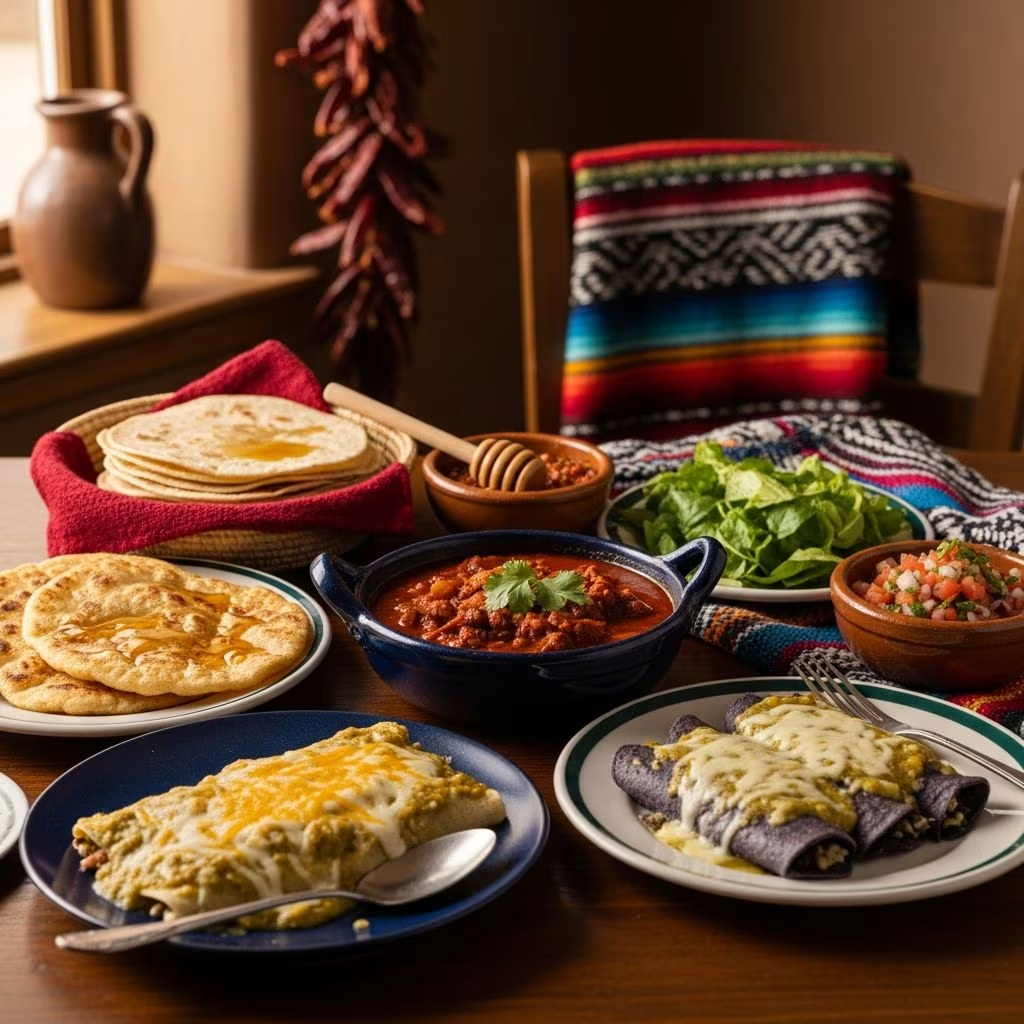
New Mexican cuisine represents one of America’s most distinctive and historically rich food cultures, deeply rooted in indigenous traditions, Spanish colonial influences, and regional agricultural practices. Unlike the broader category of Mexican food found throughout the United States, New Mexican cooking maintains its own identity through unique preparation methods, specific ingredient selections, and generational recipes passed down through families and communities. The food of New Mexico tells stories of cultural convergence, resilience, and the profound connection between landscape and sustenance.
The Foundation of New Mexican Flavor Profiles
At the heart of New Mexican cooking lies an appreciation for simplicity and authenticity. The cuisine emphasizes home-style preparation and earthy flavors rather than elaborate techniques or complex spice combinations. This philosophy reflects the agricultural heritage of the region, where ingredients were chosen based on what grew locally and could be preserved for seasonal use. The resulting dishes showcase the natural qualities of fundamental components rather than masking them with heavy sauces or excessive seasoning.
The terroir of New Mexico plays an essential role in defining the regional food identity. The high desert climate, moderate elevations, and specific growing conditions create an environment where certain crops flourish in ways they cannot elsewhere. This environmental uniqueness translates directly into the final products appearing on dinner tables throughout the state, making authentic New Mexican food impossible to replicate authentically outside the region.
Essential Ingredients That Define the Cuisine
Understanding New Mexican food requires familiarity with the key ingredients that appear across nearly every traditional dish. These foundational components work in concert to create the distinctive flavor profile recognized by both locals and visitors.
- Green Chile: The signature ingredient of New Mexican cooking, green chile appears in countless dishes and is celebrated as the state’s most essential culinary element. Fresh green chiles are roasted, peeled, and incorporated into everything from breakfast dishes to dinner entrees, providing both heat and subtle vegetal sweetness.
- Red Chile: Dried red chiles form the basis for many sauces and marinades, offering deeper, more concentrated flavors than their green counterparts. These are ground into powders, stewed into rich sauces, and used to create the distinctive red enchiladas that define New Mexican comfort food.
- Corn: Whether fresh, dried, or ground into masa, corn appears as a structural element in tamales, tortillas, and numerous other preparations, connecting modern New Mexican cuisine directly to pre-Columbian cooking traditions.
- Beans: Pinto beans cooked until creamy form a nutritious base for many meals and serve as a canvas for absorbing surrounding flavors, particularly green and red chile preparations.
- Cheese: Traditionally made locally or sourced regionally, cheese adds richness to enchiladas, chiles rellenos, and contemporary dishes like green chile cheeseburgers.
Signature Dishes That Represent Regional Identity
Certain dishes have become so integral to New Mexican dining that they function as cultural ambassadors, immediately evoking the region for anyone familiar with the cuisine. These preparations showcase different cooking techniques while demonstrating how the region’s foundational ingredients combine to create satisfying, memorable meals.
Chile-Based Preparations
Chiles Rellenos represent one of the most elegant applications of New Mexican ingredients. Large poblano or New Mexico chiles are roasted, peeled, and stuffed with cheese or meat, then typically covered with a light egg batter and simmered in red or green chile sauce. The result is a delicate yet substantial dish that balances the natural sweetness of the chile with savory fillings and bright sauce.
Red Enchiladas demonstrate how New Mexican cooks transformed Spanish colonial cooking techniques with indigenous and regional ingredients. Corn tortillas are dipped in rich red chile sauce, filled with protein and cheese, then layered or rolled and baked until bubbling. The quality of the red chile sauce determines the success of the dish, making this preparation a measure of a restaurant’s commitment to authentic technique.
Comfort Foods with Cultural Significance
Green Chile Cheeseburgers exemplify the New Mexican approach to contemporary American cuisine. By incorporating roasted green chile and local cheese into a simple hamburger, New Mexican cooks created a dish that bridges traditions while remaining true to regional identity. This seemingly simple preparation has become so iconic that many locals consider it a quintessential New Mexican experience.
Sopapillas function as both bread and dessert in New Mexican dining. These fried pastry pillows arrive at the table still puffed with steam, ready to be drizzled with honey or filled with savory ingredients like meat and chile sauce. The versatility of sopapillas—able to transition between courses or stand alone as a sweet treat—demonstrates the adaptability embedded in New Mexican culinary traditions.
Breakfast and Everyday Fare
Breakfast Burritos have become synonymous with New Mexican casual dining. These handheld meals combine scrambled eggs, breakfast meats, potatoes, cheese, and chile wrapped in flour tortillas, creating a portable version of New Mexican home cooking. The breakfast burrito’s popularity has spread far beyond the region, though authentic versions maintain local ingredients and preparation methods.
Carne Adovada showcases the preservation techniques inherited from Spanish colonial cooking while incorporating indigenous chiles. Pork is marinated and cooked slowly in red chile sauce until tender, creating a dish that improves with time and maintains its flavors through reheating. This preparation demonstrates how New Mexican cooks value patience and technique in developing deep, complex flavors.
Regional Variations and Local Specialties
While New Mexican cuisine shares common characteristics across the state, distinct regional variations reflect local agricultural conditions, historical settlement patterns, and family traditions. Communities throughout the region have developed specialties that visitors should seek out when traveling.
Northern New Mexico, particularly around Santa Fe, maintains strong connections to traditional preparations and indigenous techniques. Restaurants in this region often emphasize family recipes and locally-sourced ingredients, creating dining experiences that feel deeply connected to place and history. The tourist infrastructure in areas like Santa Fe has created opportunities for both casual and upscale New Mexican dining experiences.
Las Cruces and Southern New Mexico offer distinct preparations influenced by proximity to Mexico and different agricultural conditions. Red enchiladas prepared in this region often incorporate locally-grown chiles with specific heat characteristics, and dishes like stuffed sopapillas represent creative variations on traditional themes. Restaurants specializing in regional food become destinations for both locals and informed travelers seeking authentic preparations.
Albuquerque functions as the culinary crossroads of New Mexico, where diverse neighborhoods maintain distinct restaurant traditions while also fostering experimentation and fusion approaches to the regional cuisine. The city’s size and diversity create opportunities to sample preparations from throughout the state as well as innovations that push traditional boundaries.
Notable Restaurants Preserving Culinary Heritage
Certain establishments have earned recognition for their dedication to authentic New Mexican cooking, whether through family traditions, consistency in preparation, or commitment to quality ingredients. These restaurants function as cultural institutions, maintaining standards while educating both locals and visitors about regional food traditions.
Maria’s New Mexican Kitchen in Santa Fe has operated since 1952, serving as a local favorite despite its modest location away from the tourist center. The restaurant’s longevity demonstrates community support for authentic home-style cooking, suggesting that quality and tradition matter more than prominence or marketing.
La Nueva Casita in Las Cruces has earned recognition for red enchiladas that rival preparations found in Northern New Mexico, suggesting that quality New Mexican cooking transcends geographic boundaries within the state. Such restaurants prove that excellence in regional cuisine doesn’t depend on location but rather on commitment to technique and ingredients.
Regional establishments throughout Albuquerque, including Nopalito, Las Trancas, and La Posta, offer specialized preparations and consistent quality that attract both discerning locals and visitors seeking authentic experiences beyond tourist-oriented establishments. These restaurants demonstrate how healthy New Mexican dining scenes support competition that drives quality improvements across the market.
Modern Interpretations and Evolving Traditions
Contemporary New Mexican cooking represents not abandonment of tradition but rather organic evolution of culinary practices. New generations of chefs and restaurant operators grapple with questions about authenticity, innovation, and cultural preservation while responding to changing consumer preferences and ingredient availability.
Some establishments explore alternative approaches to traditional ingredients, creating dishes with distinctive flavor profiles while maintaining recognizable connections to regional heritage. These variations challenge diners to consider how regional cuisines adapt and evolve while remaining authentic to their essential character and values.
The challenge of balancing tradition with innovation appears throughout New Mexican culinary establishments, with some restaurants emphasizing historical accuracy while others celebrate contemporary interpretations. Both approaches contribute to the vitality of regional food culture, ensuring that New Mexican cuisine remains relevant and exciting for successive generations.
Planning Your New Mexican Culinary Journey
Experiencing authentic New Mexican cuisine requires intentional choices about where to eat and what to order. Visitors and locals alike benefit from understanding how to navigate the regional food landscape and recognize quality preparations.
Research Before Visiting: Community recommendations and specialized food blogs provide more reliable guidance than generic travel sites or tourist marketing materials. Seeking out locals’ favorite establishments often reveals restaurants with deep roots in communities and genuine commitments to quality.
Embrace the Basics: The most authentic and satisfying New Mexican food often appears simple. A well-prepared red enchilada or perfect green chile cheeseburger demonstrates mastery of fundamentals rather than culinary showmanship. Diners should approach these dishes with high expectations rather than dismissing them as unsophisticated.
Venture Beyond Tourist Areas: While Santa Fe’s downtown certainly offers quality dining options, the most genuine New Mexican food experiences often occur in modest establishments serving neighborhood customers. These restaurants maintain lower profiles, less elaborate presentations, and deeper commitments to traditional recipes.
Common Questions About New Mexican Cuisine
- How does New Mexican food differ from Mexican food?
- New Mexican cuisine evolved independently, emphasizing distinctive regional ingredients like specific chile varieties and maintaining unique preparation methods. The cuisine reflects New Mexico’s specific geography, history, and cultural blending rather than following Mexican culinary traditions directly.
- Why is green chile so central to New Mexican cooking?
- Green chile thrives in New Mexico’s climate and soil conditions, making it the region’s most abundant and culturally significant ingredient. Its versatility allows incorporation into nearly any dish, from breakfast to dinner, sweet to savory applications.
- Are New Mexican dishes very spicy?
- Heat levels vary significantly depending on the specific chile variety, preparation method, and individual restaurant traditions. While some dishes deliver substantial heat, many preparations offer complexity and flavor without overwhelming spiciness. Diners should ask about heat levels before ordering.
- Where can I find the most authentic New Mexican restaurants?
- Established local restaurants in residential neighborhoods, family-operated establishments with long histories, and places serving primarily local clientele typically offer more authentic experiences than tourist-oriented venues. Seeking recommendations from residents provides reliable guidance.
- Can I replicate New Mexican recipes at home?
- While quality ingredients sourced from specialty suppliers enable reasonable approximations of New Mexican dishes at home, the unique chiles and local products available in New Mexico itself create flavor profiles difficult to reproduce elsewhere. Visiting the region remains the most authentic way to experience the cuisine at its source.
The Cultural Significance of New Mexican Food
Beyond nutritional sustenance and sensory pleasure, New Mexican cuisine functions as a living archive of cultural history, environmental knowledge, and community identity. The dishes served in homes and restaurants throughout the state carry meanings rooted in indigenous traditions, Spanish colonial influences, and American frontier experiences. Understanding this deeper context enriches any meal and deepens appreciation for what might otherwise seem like simple food.
The enduring popularity of New Mexican cuisine among both locals and visitors reflects the universal appeal of authentic, unpretentious food rooted in specific places and traditions. In an era of industrial food systems and homogenized global cuisine, New Mexican cooking’s commitment to regional ingredients, family recipes, and straightforward preparation offers an alternative approach to eating that honors both history and contemporary quality standards.
References
- The Best New Mexican Food — AFAR. Accessed April 2026. https://www.afar.com/travel-tips/the-best-new-mexican-food
- Our 20 Favorite New Mexican Foods — New Mexico Magazine. Accessed April 2026. https://www.newmexicomagazine.org/blog/post/best-new-mexico-foods/
- The 5 Best New Mexican Foods — SantaFe.com. Accessed April 2026. https://santafe.com/tasting-new-mexico-top-20-new-mexican-foods/
- New Mexican Food: Top 24 Dishes — TasteAtlas. Accessed April 2026. https://www.tasteatlas.com/best-rated-dishes-in-new-mexico
- New Mexican Food in Las Cruces, New Mexico–Quick Tips — Steve’s Food Blog. Accessed April 2026. https://www.stevesfoodblog.com/blog/new-mexican-food-in-las-cruces-new-mexico-quick-tips/
On This Page
The Foundation of New Mexican Flavor Profiles Essential Ingredients That Define the Cuisine Signature Dishes That Represent Regional Identity Regional Variations and Local Specialties Notable Restaurants Preserving Culinary Heritage Modern Interpretations and Evolving Traditions Planning Your New Mexican Culinary Journey Common Questions About New Mexican Cuisine The Cultural Significance of New Mexican Food← Previous
Best Things to Do in New Mexico: Top Sights & Experiences
Next →
Best Things to Do in Istanbul: Top Sights, Markets & Neighborhoods
Related Reading
More in Food & Culture
Food & Culture Food & Culture
 Food & Culture
Best Places to Eat in Rome: Neighborhood Dining Guide
 Food & Culture
 Food & Culture