


 Food & Culture
Food & Culture
New Nordic Cuisine in Copenhagen: A Culinary Guide
Explore Copenhagen's transformation into a world-class culinary hub through New Nordic cuisine, featuring local ingredients, innovative techniques, and award-winning restaurants.
 Food & Culture
The Birth of a Gastronomic Movement
Copenhagen has undergone a remarkable transformation over the past two decades, emerging as one of the world’s most influential culinary centers. This shift began in earnest during the early 2000s when visionary chefs recognized that their region possessed extraordinary raw materials waiting to be showcased on the international stage. The movement that emerged prioritizes simplicity, seasonality, and a deep respect for Nordic ingredients—a philosophy that has since influenced restaurant kitchens across the globe.
The Danish capital’s ascent into gastronomic prominence represents more than just excellent cooking; it reflects a fundamental reimagining of what Northern European cuisine could become. Where previous generations viewed Nordic food as hearty but unsophisticated, contemporary chefs have unveiled layers of complexity, subtlety, and innovation hidden within traditional preparations.
The Foundation: Understanding Local Ingredients
At the heart of Copenhagen’s culinary success lies an unwavering commitment to locally sourced ingredients. The surrounding Danish landscape provides an abundance of exceptional raw materials that form the backbone of New Nordic cuisine. These include premium pork products, wild game, pristine seafood from both Atlantic and Baltic waters, and an impressive array of root vegetables that thrive in the Nordic climate.
The philosophy extends beyond mere ingredient selection. Chefs working within this movement have developed sophisticated techniques to highlight the natural qualities of each component, allowing flavors to speak for themselves rather than being masked by heavy sauces or excessive preparation. This approach demands both restraint and precision—qualities that distinguish Nordic culinary philosophy from other contemporary food movements.
Seasonal Variation and Menu Development
One distinctive characteristic of Copenhagen’s restaurant scene involves the strategic embrace of seasonal change. Rather than fighting against nature’s rhythms, establishments structure their menus around what thrives during each period of the year. Spring brings tender vegetables and fresh herbs, summer offers berries and lighter proteins, autumn provides mushrooms and game, while winter enables creative use of root vegetables and preserved elements.
This seasonal approach creates a living culinary calendar that encourages repeat visits and keeps the dining experience dynamic. Restaurants regularly refresh their offerings, preventing menu fatigue while ensuring that diners always encounter ingredients at their peak flavor and nutritional value.
Exploring Copenhagen’s Restaurant Landscape
The Flagship: Noma and Its Legacy
No discussion of Copenhagen’s food scene can proceed without acknowledging Noma, which has fundamentally shaped global perceptions of Nordic cuisine. Founded by chefs Claus Meyer and René Redzepi in 2004 within a converted warehouse along the Copenhagen waterfront, this restaurant achieved unprecedented international recognition. The establishment earned the distinction of being named the world’s best restaurant multiple times, cementing its status as both a culinary landmark and a symbol of Nordic excellence.
Beyond its accolades, Noma’s significance lies in its role as a proving ground for Nordic culinary principles. By demonstrating that sophisticated, world-class cuisine could be built entirely upon regional ingredients and seasonal availability, the restaurant inspired an entire ecosystem of dining establishments throughout Copenhagen.
Diverse Venues Across the City
While Noma deserves recognition as a pioneer, Copenhagen’s culinary renaissance encompasses numerous venues offering distinct interpretations of Nordic principles. These establishments have cultivated their own identities while sharing core commitments to quality, locality, and seasonal consciousness.
Restaurant Radio exemplifies the locavore commitment, positioning itself as an extension of the New Nordic Food Movement championed by Claus Meyer. This venue emphasizes set menu experiences paired with carefully selected wines, encouraging diners to embrace the chef’s creative vision and seasonal interpretations.
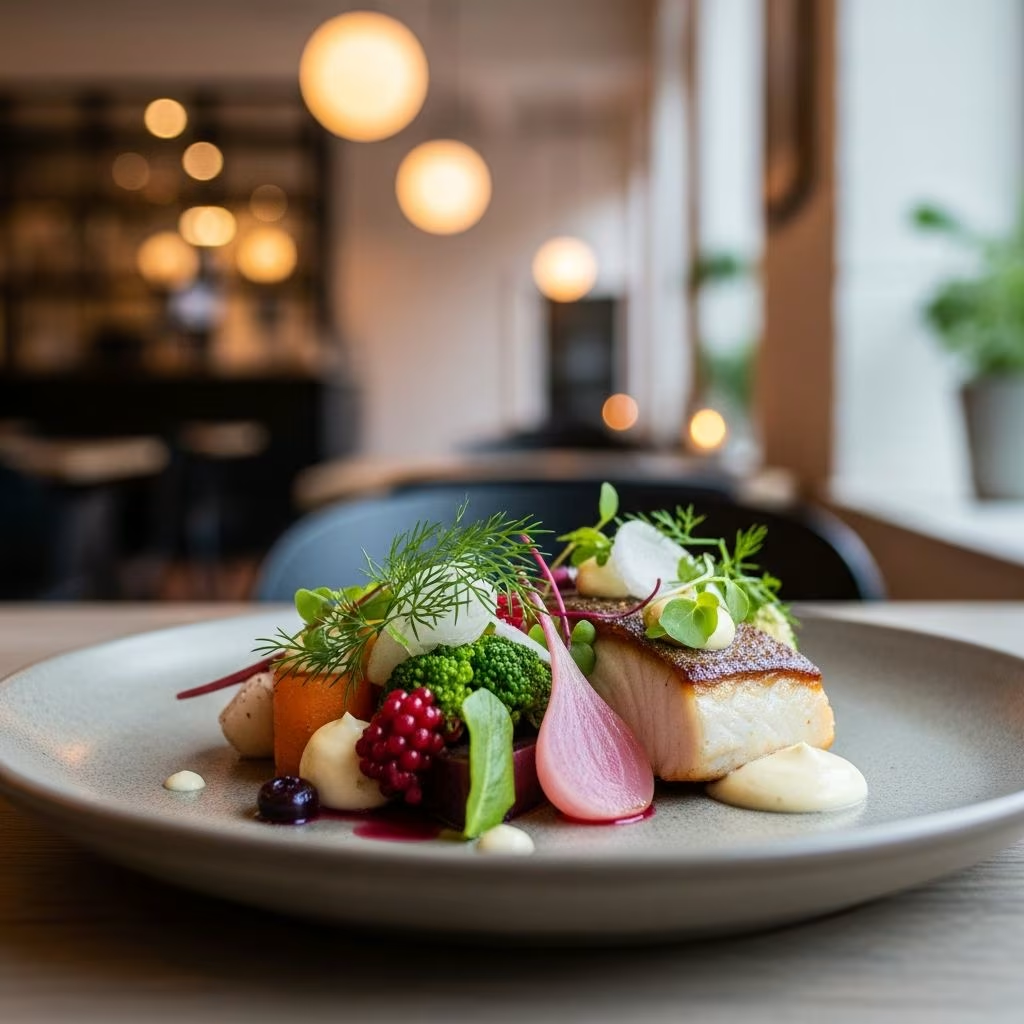
Almanak, housed within The Standard—a combined restaurant and jazz venue situated in a historic customs building—takes inspiration from traditional Danish preparation methods while incorporating contemporary seasonal ingredients. The menu features inventive dishes such as glazed beetroot with blackberry and smoked cheese, demonstrating how classical foundations can support innovative execution.
Marv & Ben has developed a reputation for serving uncomplicated, beautifully executed dishes that showcase ingredient quality. The restaurant’s commitment to sourcing exclusively Danish products, preferring items from the closest possible proximity to Copenhagen, reflects the intensity with which some establishments pursue localization.
AOC operates with an elemental approach that prioritizes the complete sensory experience. This intimate venue, accommodating roughly forty-five diners within a seventeenth-century cellar space, has earned Michelin recognition through its meticulous attention to visual presentation, aroma, and flavor complexity.
Recognition and International Standing
Copenhagen’s emergence as a gastronomic destination has translated into concrete recognition from international culinary organizations. The city currently hosts fifteen establishments that collectively hold twenty-four Michelin stars, positioning it among Europe’s most decorated restaurant cities. This concentration of excellence reflects not coincidental good fortune but rather a deliberate cultural commitment to culinary advancement.
The Michelin star system, while imperfect, serves as one metric by which international diners assess restaurant quality. Copenhagen’s strong representation demonstrates that chefs working within Nordic principles have achieved technical proficiency and creative excellence that resonates with professional evaluators accustomed to assessing cuisine worldwide.
Beyond High-End Dining: Accessible Nordic Food Culture
Traditional Street Food Heritage
While fine dining establishments capture international attention, Copenhagen’s food culture extends meaningfully into casual eating traditions that reflect authentic Danish preferences. Classic street food represents an important dimension of local culinary identity, particularly through the pølser (hot dog served in a bun), a ubiquitous element of Copenhagen’s food landscape.
These modest creations emerge from a network of pølser vogn (hot dog carts) stationed throughout the city. Rather than being relegated to fast food irrelevance, quality vendors have elevated this category by emphasizing ingredient integrity and preparation care. DØP exemplifies this approach, offering organic hot dogs that honor traditional recipes while incorporating innovative options for customers seeking alternatives. The vendor’s location near Rundetårn makes it easily accessible for those exploring central Copenhagen.
Smørrebrød: The Iconic Lunch Format
Another significant element of Copenhagen’s food identity involves smørrebrød—the open-faced sandwich tradition typically consumed at midday. These creations layer carefully selected ingredients atop dense, flavorful bread, creating compositions that balance visual appeal with sophisticated flavor development.
Traditional establishments like Schønnemann have maintained this custom across generations, preserving preparation methods and ingredient combinations that define authentic smørrebrød. Contemporary venues such as Aamanns have reimagined the format without abandoning its essential character, offering both restaurant seating and takeaway options that accommodate modern dining patterns.
Specialized Culinary Niches
Seafood-Focused Establishments
Given Copenhagen’s position on the Danish coastline and its historical maritime importance, seafood naturally occupies a prominent position within the city’s culinary identity. Kødbyens Fiskebar, operating within Copenhagen’s vibrant Meatpacking District, has become renowned for prioritizing fish and shellfish preparations.
The restaurant demonstrates commitment to transparency regarding ingredient sourcing, with menus clearly identifying the origins of seafood components. This practice extends from Greenlandic snow crab to Danish Limfjord oysters and mussels, allowing diners to understand exactly where their meal originates. Such transparency reflects the broader Nordic commitment to ingredient accountability and local sourcing.
Beyond the primary protein focus, venues like Kødbyens Fiskebar also highlight Danish wine production—an often-overlooked aspect of Nordic gastronomy. The establishment provides opportunities to sample locally produced whites that pair thoughtfully with seafood preparations, challenging assumptions that Scandinavian wine production lacks sophistication.
The Philosophy Underlying Nordic Excellence
Simplicity as Sophistication
A fundamental principle distinguishing New Nordic cuisine involves the embrace of simplicity as a vehicle for culinary excellence. Rather than viewing minimalism as a limitation, chefs working within this tradition recognize that exceptional ingredients require minimal intervention to shine. This philosophy demands both confidence and restraint—qualities often more difficult to master than complex technique.
By allowing ingredients to maintain their essential character while providing careful preparation and thoughtful plating, Nordic chefs demonstrate that sophistication need not correlate with elaboration. This approach has influenced culinary thinking globally, encouraging chefs worldwide to reconsider the relationship between simplicity and excellence.
Innovation Within Tradition
Copenhagen’s culinary scene successfully balances reverence for traditional Nordic food culture with enthusiasm for contemporary innovation. Rather than dismissing historical preparation methods as outdated, modern chefs recognize that generations of accumulated knowledge contain valuable insights. Simultaneously, they apply current scientific understanding, modern techniques, and creative reimagining to create dishes that honor tradition while advancing the cuisine forward.
Practical Guide for Culinary Explorers
Navigating Price and Experience
Copenhagen’s diverse restaurant ecosystem accommodates various budgets and dining philosophies. Fine dining establishments like Noma, AOC, and Restaurant Radio command premium prices reflecting their technical sophistication, rare ingredients, and extensive research. However, exceptional eating experiences remain accessible through mid-range venues, casual seafood establishments, and street food vendors.
Visitors seeking to experience Nordic cuisine need not restrict themselves to high-end venues. Smørrebrød restaurants, seafood bars, and quality pølser carts deliver authentic Copenhagen food culture at accessible price points while maintaining the ingredient quality and preparation care fundamental to Nordic philosophy.
Timing Your Culinary Exploration
Because seasonal ingredient availability fundamentally shapes menu development, the timing of a Copenhagen visit influences the specific dining experience. Spring and early summer offer light, vegetable-forward dishes, while autumn provides game and mushroom-focused preparations. Winter enables creative use of preserved elements and hearty components that sustain through colder months. Rather than viewing seasonal variation as inconsistency, travelers might consider it an encouragement to experience the cuisine across multiple seasons.
Conclusion: A Culinary Destination Reimagined
Copenhagen’s emergence as a world-class gastronomic destination represents a remarkable achievement in contemporary food culture. By recognizing the inherent quality of Nordic ingredients and developing refined techniques to showcase them, local chefs have created a cuisine that speaks authentically to place while achieving international acclaim. From Michelin-starred fine dining establishments to beloved street food vendors, the city offers layered culinary experiences that reward both casual exploration and serious gastronomic study. The New Nordic movement has fundamentally altered global conversations about regional cuisine, demonstrating that exceptional food emerges not from exotic ingredients or elaborate techniques alone, but from genuine understanding of ingredients, deep respect for culinary tradition, and courageous innovation. Copenhagen stands as testament to the transformative power of culinary vision.
References
- Copenhagen on a plate: new Nordic cuisine — Lonely Planet. https://www.lonelyplanet.com/articles/copenhagen-on-a-plate-new-nordic-cuisine
- Where to Eat New Nordic Cuisine in Copenhagen — AFAR Magazine. https://www.afar.com/travel-tips/where-to-eat-new-nordic-cuisine-in-copenhagen
- The New Nordic Cuisine — Butterfield & Robinson. https://www.butterfield.com/get-inspired/the-new-nordic-cuisine
- New Nordic Cuisine: It put Copenhagen on world gastro map — John Henderson Travel. https://johnhendersontravel.com/new-nordic-cuisine/
On This Page
The Birth of a Gastronomic Movement The Foundation: Understanding Local Ingredients Exploring Copenhagen's Restaurant Landscape Recognition and International Standing Beyond High-End Dining: Accessible Nordic Food Culture Specialized Culinary Niches The Philosophy Underlying Nordic Excellence Practical Guide for Culinary Explorers Conclusion: A Culinary Destination Reimagined← Previous
Oxapampa, Peru: Jungle Town of Culture, Coffee & Adventure
Next →
Komodo National Park Guide: Dragons, Diving & Pink Beach
Related Reading
More in Food & Culture
Food & Culture Food & Culture
 Food & Culture
Best Places to Eat in Rome: Neighborhood Dining Guide
 Food & Culture
 Food & Culture