


 Food & Culture
Food & Culture
New Nordic Cuisine in Copenhagen: A Guide to the City’s Culinary Revolution
Explore Copenhagen's transformation into a gastronomic destination through New Nordic cuisine, featuring award-winning restaurants, local ingredients, and innovative culinary traditions.
 Food & Culture
Copenhagen has transformed into one of the world’s most celebrated culinary destinations over the past two decades, establishing itself as a center of gastronomic innovation and excellence. This transformation stems from a deliberate movement that emphasizes authenticity, sustainability, and creative interpretation of regional ingredients. The city’s rise in the international food scene represents more than just excellent restaurants; it reflects a philosophical shift in how chefs approach cooking, sourcing, and the relationship between food and place.
The movement that sparked this revolution began in the early 2000s when forward-thinking chefs recognized the untapped potential of Scandinavian ingredients and culinary traditions. These professionals understood that Nordic cuisine possessed distinct characteristics worthy of celebration and innovation. Rather than emulating established European culinary centers, they chose to honor their own heritage while introducing contemporary techniques and presentations. This approach created something entirely new—a cuisine that feels both rooted in tradition and contemporary in execution.
The Philosophy Behind Modern Nordic Cooking
New Nordic cuisine operates on several core principles that distinguish it from other contemporary food movements. The philosophy prioritizes simplicity in preparation while demanding complexity in flavor development. Chefs working within this framework focus on understanding their ingredients deeply, respecting their natural qualities, and allowing those qualities to shine through minimal manipulation.
The movement emphasizes complete utilization of ingredients, minimal waste, and a commitment to seasonality that goes beyond mere trend. Rather than offering the same dishes year-round, restaurants embracing Nordic principles adjust their menus based on what grows, lives, and thrives during each season. This approach requires intimate knowledge of local agricultural and fishing cycles, demanding that chefs maintain relationships with producers and understand the rhythms of their regional landscape.
Sustainability forms another cornerstone of this culinary approach. The movement reflects growing awareness that responsible food sourcing matters not only for the environment but for the quality and integrity of the final product. Chefs in Copenhagen have become advocates for sustainable fishing practices, heritage crop preservation, and ethical animal husbandry. This commitment extends beyond marketing rhetoric to fundamentally shape menu development and sourcing decisions.
Essential Components of the Nordic Pantry
Copenhagen’s culinary landscape draws upon an extraordinary range of regional ingredients that define the flavor profiles of New Nordic cuisine. Understanding these core elements provides insight into why the movement developed such distinctive character.
Proteins from Land and Sea
Denmark’s geographic position and agricultural heritage provide access to exceptional proteins. Pork holds particular importance in the regional food culture, with Danish pork renowned for its quality and utilized throughout restaurants at all price points. Game from forests and moorlands brings rich, complex flavors to restaurant tables, appearing in preparations that range from refined to rustic.
The waters surrounding Denmark yield extraordinary seafood resources. Greenlandic snowcrab, Danish Limfjord oysters, and mussels from pristine waters provide the foundation for numerous dishes. Fish restaurants in Copenhagen showcase the versatility of these marine ingredients, from simply prepared fillets to elaborate preparations that highlight subtle flavors.
Vegetables and Root Crops
Copenhagen’s cool climate supports cultivation of hearty vegetables and root crops that have anchored Nordic cuisine for centuries. Beets, parsnips, turnips, and other underground vegetables feature prominently in modern interpretations, where chefs explore their full potential through roasting, braising, fermenting, and other techniques. Fresh berries, both cultivated and foraged, provide seasonal bursts of flavor and color throughout the year.
Artisanal and Specialty Products
Danish producers create exceptional cheeses, butter, and other dairy products that complement and elevate dishes. Even Danish white wines, once considered an unlikely product, now appear on restaurant wine lists, demonstrating the expanding scope of regional production.
Iconic Establishments Defining the Movement
Several restaurants have become synonymous with New Nordic cuisine, each contributing distinctive interpretations while honoring core principles. These establishments range from casual to fine dining, demonstrating that the philosophy applies across price points and formats.
Flagship Innovators
Certain restaurants pioneered approaches that became foundational to the entire movement, establishing aesthetic and philosophical frameworks that others would build upon or react against. These establishments combined technical excellence with conceptual rigor, proving that Nordic cuisine deserved recognition alongside traditional European culinary centers.
Contemporary Practitioners
Beyond flagship establishments, numerous restaurants throughout Copenhagen offer their own interpretations of New Nordic principles. Some emphasize historical Danish dishes, updating preparation methods while respecting traditional flavor combinations. Others take more experimental approaches, using Nordic ingredients as launching points for avant-garde techniques and presentations.
Restaurants located in the Meatpacking District, a neighborhood that transformed from industrial area to culinary hub, demonstrate the movement’s reach beyond fine dining institutions. Fish-focused establishments in this district have earned significant acclaim, with chefs carefully sourcing seafood and often displaying detailed information about ingredient provenance.
Experiencing Traditional Danish Food Culture
Understanding New Nordic cuisine requires recognizing its connection to traditional Danish food culture. While contemporary restaurants reimagine regional dishes, street food and casual dining traditions continue alongside high-end establishments, creating a multifaceted food landscape.
The Open-Faced Sandwich Tradition
Smørrebrød, the iconic open-faced sandwich, represents a foundation of Danish eating culture. This tradition typically appears at lunch service in specialized restaurants that have served the same preparations for generations. Smørrebrød bases consist of quality bread topped with carefully selected proteins, vegetables, and garnishes, creating combinations that balance flavors and textures. Contemporary restaurants offer updated versions alongside traditional preparations, acknowledging both historical importance and modern culinary perspectives.
Street Food and Casual Dining
Pølser, or Danish hot dogs served from mobile carts throughout the city, represent another essential element of Copenhagen’s food culture. These are not casual throwaway meals but rather carefully prepared items using quality ingredients. Contemporary vendors source organic meats, offer creative toppings, and apply the same attention to detail found in fine dining establishments.
The Restaurant Landscape
| Restaurant Category | Characteristics | Typical Features |
|---|---|---|
| Fine Dining Nordic | Award-winning establishments emphasizing innovation and technical excellence | Multi-course menus, wine pairings, refined presentations, Michelin recognition |
| Contemporary Casual | Restaurants balancing Nordic principles with accessible formats | Seasonal menus, reasonable pricing, comfortable atmospheres, direct sourcing |
| Historical Traditions | Establishments preserving Danish culinary heritage | Traditional preparations, historic settings, lunch-focused service |
| Street Food and Casual | Quality quick service and casual dining options | Organic ingredients, creative preparations, accessibility, affordable prices |
Copenhagen’s dining scene now encompasses 15 restaurants holding a collective 24 Michelin stars, indicating both the movement’s success and the city’s recognition by international culinary authorities. However, the New Nordic philosophy extends far beyond fine dining, influencing everything from casual neighborhood restaurants to street food vendors.
Locavorism as Movement Foundation
The commitment to using local ingredients forms perhaps the most distinctive characteristic of New Nordic cuisine. This goes beyond marketing strategy to represent a fundamental philosophy about the relationship between place, ingredients, and flavor.
Restaurants embracing locavore principles often state explicitly that everything used comes from within Denmark or even specifically from regions near Copenhagen. This commitment requires maintaining relationships with producers, understanding seasonal availability intimately, and sometimes collaborating with farmers to grow specific crops or preserve heritage varieties.
The locavore approach also influences menu development and restaurant operations. Rather than planning menus based on what dishes a chef wishes to serve, many Nordic restaurants begin with what is available and excellent, then develop dishes around those ingredients. This inverted approach produces menus that feel authentic to place and season while challenging chefs to innovate creatively within constraints.
Seasonal Dining and Menu Evolution
Seasonality in New Nordic cuisine operates at a level deeper than simply noting which ingredients are available. The philosophy recognizes that seasonal ingredients possess distinct qualities—winter roots taste different from summer vegetables, seafood changes character throughout the year, and game seasons determine availability of different proteins.
Restaurants committed to this principle often change their menus completely or substantially with each season, sometimes multiple times annually. This practice requires flexibility from diners, who encounter different offerings on each visit. For regular patrons, this creates dynamic dining experiences where returning to favorite restaurants introduces exploration and discovery rather than repetition.
Innovation Within Tradition
New Nordic cuisine balances respect for tradition with genuine innovation. Chefs working within this framework are not simply replicating historical preparations but rather asking how traditional ingredients and flavor combinations might be explored through contemporary techniques and presentations.
This balance manifests differently across establishments. Some restaurants focus primarily on historical dishes, updating preparation methods while maintaining recognizable connection to heritage recipes. Others use traditional ingredients as starting points for highly conceptual dishes that bear little visual resemblance to their inspirations. Both approaches remain valid within the broader movement, reflecting the philosophy’s flexibility and strength.
The Experience of Dining
Visiting restaurants embracing New Nordic principles offers distinctive experiences shaped by philosophical commitments. Many establishments feature simple, uncluttered dining rooms where attention remains on food. Others create theatrical experiences where presentation and service form essential components of the meal. Wine pairings frequently emphasize lesser-known regional producers, educating diners about Scandinavian viticulture.
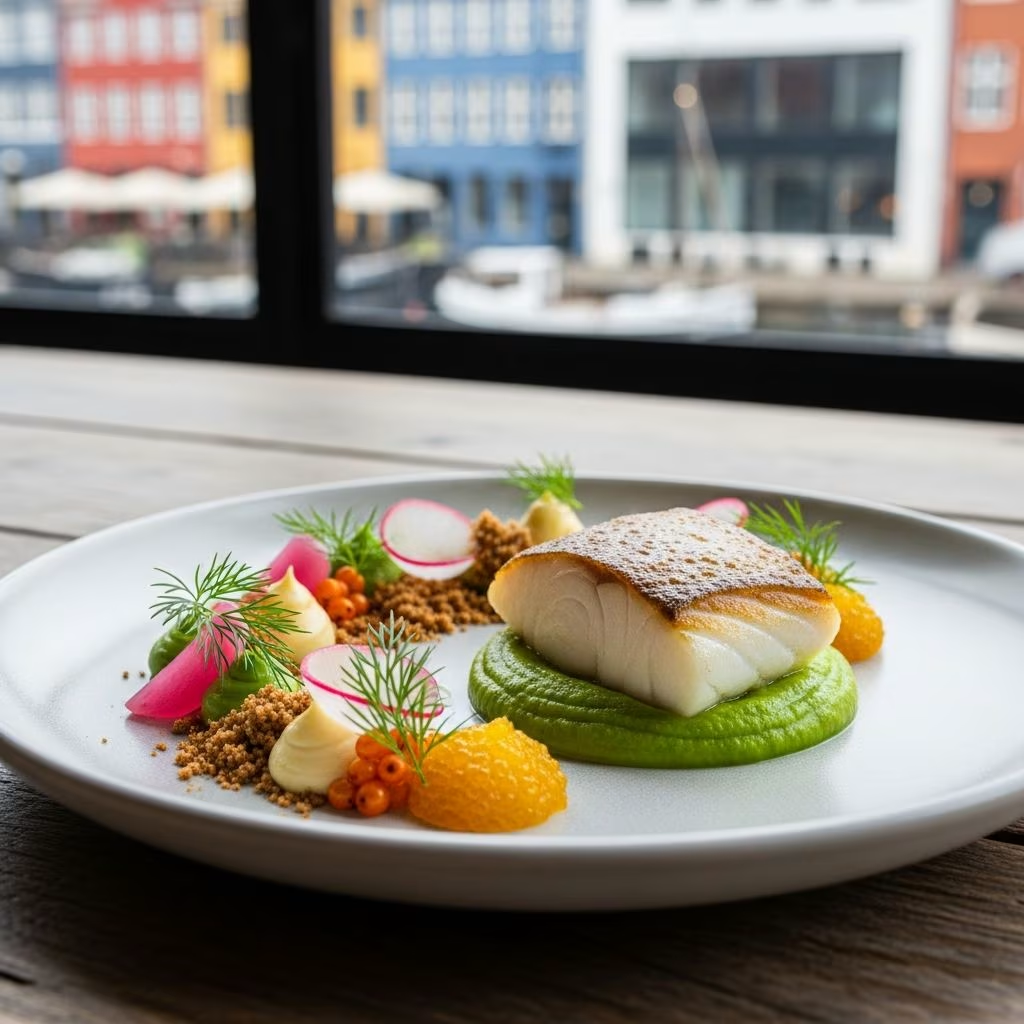
The visual presentation of dishes often emphasizes natural beauty and color, avoiding excessive manipulation or artificial elements. This aesthetic choice reflects the philosophy’s core commitment to honoring ingredients rather than obscuring them beneath elaborate constructions.
Frequently Asked Questions
What distinguishes New Nordic cuisine from other contemporary food movements?
New Nordic cuisine emphasizes geographic authenticity, seasonal awareness, and complete utilization of regional ingredients. Unlike trends focusing on techniques or global influences, Nordic cuisine maintains primary commitment to place, with chefs developing deep relationships with local producers and understanding seasonal cycles intimately.
Are New Nordic restaurants only expensive fine dining establishments?
While some restaurants operate at fine dining price points, the philosophy extends throughout Copenhagen’s food landscape. Contemporary casual restaurants, traditional establishments, and street food vendors all embrace Nordic principles. Many excellent meals can be experienced at moderate price points.
How do restaurants manage menus during seasons with limited ingredients?
Restaurants embrace seasonal limitations as creative constraints rather than obstacles. Winter menus emphasize root vegetables, preserved preparations, and proteins like game and seafood. Summer brings fresh vegetables and berries. Preserving, fermenting, and other traditional techniques extend ingredient availability throughout the year.
Can visitors experience traditional Danish food alongside New Nordic cuisine?
Yes. Copenhagen’s food landscape includes establishments preserving traditional Danish food culture alongside innovative restaurants. Open-faced sandwiches, hot dogs, and other traditional foods remain widely available and represent essential components of the city’s culinary identity.
Is New Nordic cuisine found outside Copenhagen?
While the movement developed primarily in Copenhagen and represents the city’s culinary identity, similar approaches have influenced restaurants throughout Scandinavia and beyond. However, Copenhagen remains the movement’s epicenter and primary destination for experiencing this cuisine.
Planning Your Culinary Journey
Visitors to Copenhagen can engage with New Nordic cuisine at multiple levels, from casual street food to multi-hour tasting menus. Planning effectively involves considering interests, budget, and preferences. Researching restaurants in advance helps identify establishments aligned with specific dining goals.
The Meatpacking District offers concentrated options where visitors might explore multiple casual restaurants, while neighborhoods throughout the city contain hidden gems worth discovering. Booking popular restaurants in advance remains essential, as demand frequently exceeds availability.
Beyond formal restaurants, food markets and specialty shops provide opportunities to purchase ingredients and prepared foods, offering more affordable ways to experience regional products. Street food vendors throughout the city offer quality meals at accessible prices, making excellent culinary experiences possible across various budgets.
Conclusion
Copenhagen’s emergence as a culinary destination represents more than restaurant success or chef accolades. The New Nordic movement reflects broader shifts in how contemporary cooks approach their craft, with emphasis on authenticity, sustainability, and respect for ingredients and place. The movement demonstrates that culinary excellence need not follow established traditions or imitate other cuisines; instead, it can emerge from deep engagement with local ingredients and regional heritage. For visitors and food enthusiasts worldwide, Copenhagen offers not only exceptional meals but also insights into how thoughtful approaches to cooking and sourcing can create distinctive, meaningful culinary cultures.
References
- Copenhagen on a plate: new Nordic cuisine — Lonely Planet. https://www.lonelyplanet.com/articles/copenhagen-on-a-plate-new-nordic-cuisine
- Where to Eat New Nordic Cuisine in Copenhagen — AFAR Media. https://www.afar.com/travel-tips/where-to-eat-new-nordic-cuisine-in-copenhagen
- The New Nordic Cuisine — Butterfield & Robinson. https://www.butterfield.com/get-inspired/the-new-nordic-cuisine
- New Nordic Cuisine: It put Copenhagen on world gastro map — John Henderson Travel. https://johnhendersontravel.com/new-nordic-cuisine/
On This Page
The Philosophy Behind Modern Nordic Cooking Essential Components of the Nordic Pantry Iconic Establishments Defining the Movement Experiencing Traditional Danish Food Culture The Restaurant Landscape Locavorism as Movement Foundation Seasonal Dining and Menu Evolution Innovation Within Tradition The Experience of Dining Frequently Asked Questions Planning Your Culinary Journey Conclusion← Previous
Komodo National Park Guide: Dragons, Diving & Pink Beach
Next →
Pet Sitting for Digital Nomads: Travel the World for Free
Related Reading
More in Food & Culture
Food & Culture Food & Culture
 Food & Culture
Best Places to Eat in Rome: Neighborhood Dining Guide
 Food & Culture
 Food & Culture