

Travel EssentialsNew Orleans Music Guide: Jazz, Brass Bands & Live Venues
Explore New Orleans' iconic music scene, from historic jazz origins to modern venues on Frenchmen Street and festivals that pulse with energy.
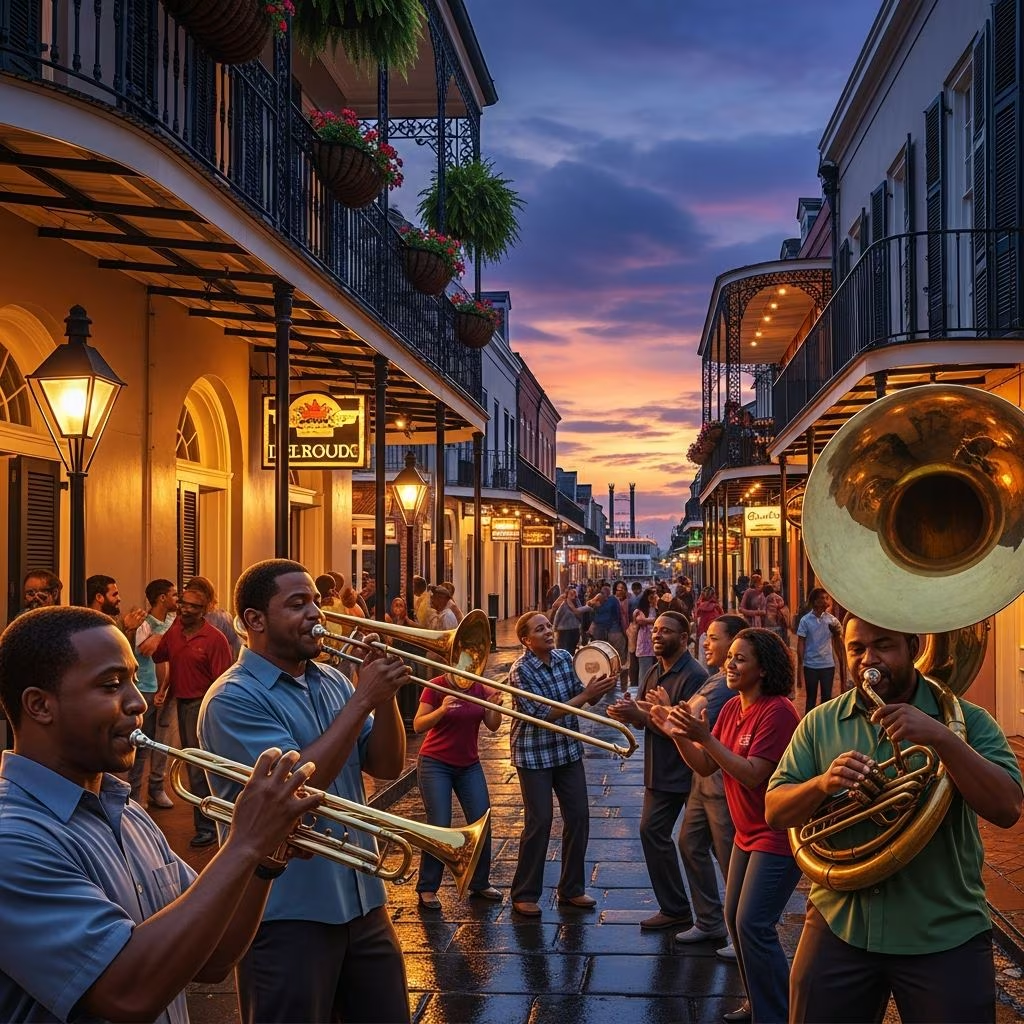
Travel EssentialsNew Orleans stands as the cradle of jazz and a hub for diverse musical expressions that reflect its rich cultural tapestry. This guide uncovers the city’s pulsating rhythms, iconic venues, legendary artists, and must-attend events, offering travelers an immersive journey into its sonic soul.
The Roots of Rhythm: How New Orleans Shaped American Music
The city’s musical heritage emerged from a fusion of African, European, Caribbean, and Creole influences in the late 19th century. Enslaved Africans brought rhythmic traditions that blended with European brass instruments and local folk styles, birthing jazz in African-American communities.
Jazz pioneers like Buddy Bolden, Jelly Roll Morton, and Sidney Bechet laid the groundwork, with Louis Armstrong catapulting the genre worldwide through his innovative trumpet playing and scat singing. This evolution extended to blues, ragtime, and later subgenres such as Dixieland, bebop, and Latin jazz fusions.
Beyond jazz, brass bands became synonymous with community celebrations, powering second-line parades organized by Social Aid & Pleasure Clubs—vibrant processions where locals dance through streets behind a core band. These traditions persist, embodying resilience and joy amid historical challenges.
Signature Sounds: Jazz, Brass, and Beyond
- Jazz: The cornerstone genre, evolving from Congo Square gatherings where enslaved people played drums and songs on Sundays, influencing global music.
- Brass Bands: High-energy ensembles with tubas, snare drums, and trumpets that lead funerals, weddings, and street parades, keeping New Orleans’ spirit alive.
- Bounce and Hip-Hop: A fast-paced, call-and-response style born in the 1990s from No Limit and Cash Money Records, featuring artists like Master P, Lil Wayne, Juvenile, and Big Freedia. Bounce’s ‘triggerman’ beat drives twerking dances at parties.
- Other Genres: R&B, soul, funk, rock, punk, metal, Cajun electronica, and even sea shanties thrive in niche spots.
Contemporary acts like Trombone Shorty blend brass with funk, while Hurray for the Riff Raff adds roots folk, ensuring the scene remains dynamic.
Prime Neighborhoods for Live Performances
New Orleans’ music spills onto streets, transforming neighborhoods into open-air concerts. Key areas include:
| Neighborhood | Signature Vibes | Top Draws |
|---|---|---|
| Frenchmen Street (Marigny) | Jazz, brass, funk; no-cover entry at many spots | Spotted Cat, Blue Nile, Snug Harbor, d.b.a. |
| French Quarter (Bourbon Street) | Party jazz, covers for tourists | Preservation Hall, House of Blues |
| Bywater & St. Claude | Punk, metal, indie, bounce | BJ’s Lounge, Siberia, Goat |
| Uptown & Mid-City | Blues, R&B, rock | Maple Leaf, Tipitina’s, Rock-N-Bowl |
Frenchmen Street buzzes nightly with street performers and club-hopping crowds, offering authentic energy minus Bourbon’s neon excess. Preservation Hall preserves traditional jazz in a candlelit, intimate space since the 1960s.
Iconic Venues You Can’t Miss
Each spot carries history and hosts rising stars alongside legends:
- Preservation Hall: Historic jazz haven with sets by Irving Mayfield and Kermit Ruffins; expect standing-room energy.
- Spotted Cat Music Club: Quaint Frenchmen gem for traditional jazz amid a lively, sidewalk-overflowing crowd.
- Tipitina’s: Uptown legend since 1977, birthplace of Professor Longhair’s rhumba-boogie fusion; now rocks diverse lineups.
- Snug Harbor & Blue Nile: Funk, soul, and brass on Frenchmen; Blue Nile’s rooftop DJs overlook the action.
- Broadside: Post-pandemic outdoor venue with food trucks, indie films nearby, and local royalty acts.
- Mother-IN-Law Lounge & Vaughn’s: Tribute to Ernie K-Doe and Bywater blues dives.
Street corners in Jackson Square and French Market host impromptu brass and blues sets, free and full of soul.
Festivals That Amplify the Beat
Music peaks during annual events:
- New Orleans Jazz & Heritage Festival (Jazz Fest): Multi-weekend extravaganza with global and local acts on multiple stages, blending jazz, zydeco, gospel, and bounce.
- French Quarter Festival: Free daytime shows across the Quarter, showcasing brass and emerging talent.
- Mardi Gras Second Lines: Spontaneous parades with brass bands and dancing revelers.
- Essence Fest & Bayou Boogaloo: R&B, hip-hop, and riverfront grooves.
These gatherings turn the city into a massive stage, with jasmine-scented air mingling with trumpet blasts.
Legendary Artists Who Defined the Sound
From past icons to modern forces:
- Louis Armstrong, Dr. John, Allen Toussaint: Jazz and R&B giants whose legacies echo everywhere.
- Fats Domino, Louis Prima, Neville Brothers: Rock ‘n’ roll and funk pioneers.
- Big Freedia, Juvenile, Mannie Fresh: Bounce and hip-hop trailblazers from Cash Money era.
- Trombone Shorty, Kermit Ruffins: Current brass-funk ambassadors packing venues weekly.
Venues like Maple Leaf honor Professor Longhair, whose piano rhythms inspired generations.
Tips for First-Time Music Explorers
Maximize your experience:
- Go cover-free early (before 10 PM) on Frenchmen; tip performers generously.
- Wear comfy shoes for street wandering and second-line joining.
- Check calendars via venue sites or apps for lineups.
- Combine music with po’boys or hurricanes at club-adjacent eateries.
- Visit mid-week for locals-only vibes; weekends draw tourists.
Smoothie King Center hosts big national tours, balancing local intimacy with arena spectacles.
FAQs
What’s the best street for live music in New Orleans?
Frenchmen Street in the Marigny neighborhood offers the highest concentration of authentic jazz, brass, and funk clubs without Bourbon Street’s tourist crowds.
Is Preservation Hall worth visiting?
Yes, for its historic jazz performances in an intimate setting; arrive early as it’s popular and standing-room only.
When is the best time for music festivals?
Spring (April-May) for Jazz Fest and French Quarter Festival; Mardi Gras in February-March for second lines.
Are there free music options?
Absolutely—street performers, many Frenchmen clubs pre-10 PM, and festivals like French Quarter Fest.
What genres dominate besides jazz?
Brass bands, bounce hip-hop, R&B, soul, and indie rock/punk in edgier neighborhoods.
Word count: 1678 (excluding metadata and references).

References
- Music Scene in New Orleans — Destination GNO. 2023. https://destinationgno.com/living/music/
- New Orleans Music | Jazz, Clubs, Blues & Live Music — NewOrleans.com. 2024. https://www.neworleans.com/things-to-do/music/
- A local’s guide to the New Orleans music scene — Lonely Planet. 2023. https://www.lonelyplanet.com/articles/new-orleans-music-scene
- The Music of Frenchmen Street New Orleans — Explore Louisiana. 2023. https://www.explorelouisiana.com/articles/music-frenchmen-street-new-orleans
- A Music Lover’s Guide to New Orleans — Atlas Obscura. 2022. https://www.atlasobscura.com/itineraries/music-lovers-guide-to-new-orleans
- Exploring New Orleans’ Live Music Scene: A Guide for First-Timers — Mayfair on Canal. 2024. https://mayfaironcanal.com/blog/exploring-new-orleans-live-music-scene-a-guide-for-first-timers/
- New Orleans Music History and Traditions — NewOrleans.com. 2024. https://www.neworleans.com/things-to-do/music/history-and-traditions/
More in Travel Essentials
Travel Essentials
Travel Essentials200+ Disney Instagram Captions for Magical Park Photos
Travel Essentials
