

 Travel Essentials
 Travel Essentials

Discover must-pack items for hiking volcanoes, bungy jumping, jet boating, and more in New Zealand's adventure hotspots like Queenstown and Tongariro.
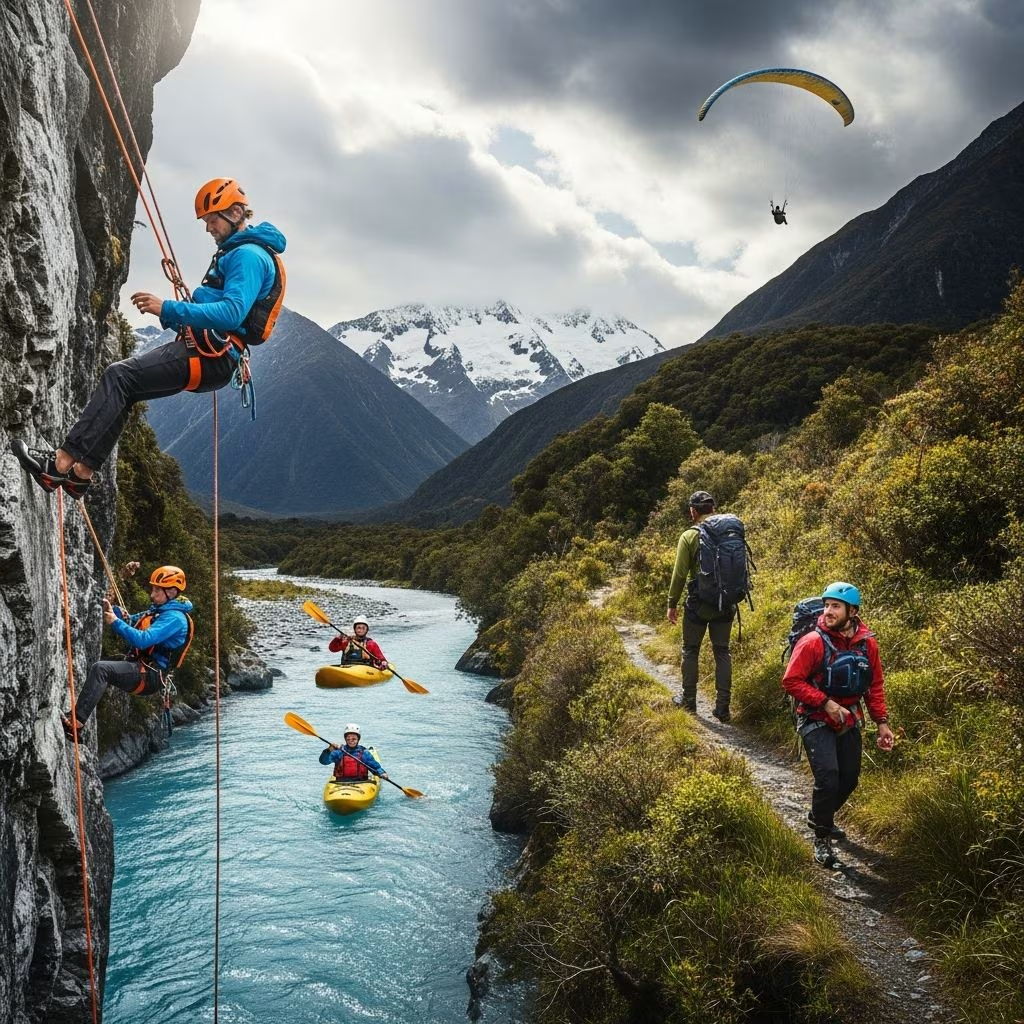 Travel Essentials
New Zealand stands as the world’s premier destination for adrenaline-fueled escapades, offering everything from heart-pounding bungy jumps to serene yet challenging alpine hikes. Whether you’re plunging into crystal-clear rivers via jet boat or trekking across volcanic craters, the right gear ensures safety and maximizes enjoyment. This guide outlines essential packing strategies tailored to the country’s diverse terrains and unpredictable weather, drawing from official tourism insights and adventure hotspots.
The archipelago’s two main islands boast dramatic contrasts: the North Island’s geothermal wonders and volcanic parks, versus the South Island’s glaciers, fjords, and towering peaks. Expect rapid weather shifts, from sunny skies to sudden downpours, especially in high-altitude zones like Tongariro National Park or Mount Aspiring. Adventure activities span bungy jumping in Queenstown, glowworm caving in Waitomo, and multi-day treks in Fiordland, demanding versatile, durable equipment.
Key regions include:
New Zealand’s microclimates require a modular layering system. Start with a moisture-wicking base layer to manage sweat during intense activities like canyoning or skydiving. Mid-layers should provide insulation, such as fleece for cooler evenings in Wānaka. An outer waterproof shell is non-negotiable for rain in Fiordland or misty mornings at Huka Falls.
| Layer Type | Recommended Items | Best For |
|---|---|---|
| Base | Merino wool tops and leggings | Hiking, caving |
| Mid | Fleece jacket, thermal vest | Alpine treks, evenings |
| Outer | Gore-Tex jacket, quick-dry pants | Rainy jet boating, multi-day hikes |
Opt for quick-dry synthetics or merino wool, which resists odors during extended trips without laundry access. Pack in compression bags to save space in your backpack.
Trails range from slippery riverbeds in Shotover Canyon to rugged lava fields in Tongariro. High-ankle hiking boots with aggressive treads are vital for stability on the Tongariro Alpine Crossing, featuring steep ascents past emerald lakes and steaming vents. For water-based thrills like black-water rafting in Waitomo Caves, neoprene socks paired with sturdy water shoes prevent blisters.
Break in footwear beforehand to avoid blisters on long hauls like the Hooker Valley Track near Aoraki/Mount Cook.
UV rays pierce even cloudy skies, amplified by snow reflection in ski areas like Ruapehu. A wide-brim hat, polarized sunglasses, and SPF 50+ sunscreen (reapply hourly during outdoor pursuits) are musts. Buffs or neck gaiters shield against wind on paragliding flights over Queenstown or cold canyon swings.
For insects in Rotorua’s bush or sandflies on West Coast beaches like Wharariki, pack DEET repellent and long-sleeve options. High-altitude zones demand UV-protective gloves and lip balm.
A 40-60L backpack suits multi-day adventures like Siberia Valley heli-hikes, with hip belts for load distribution. For day trips—say, Cape Brett Trail or Redwoods biking—a 20-30L daypack with hydration compatibility works best. Waterproof liners protect gear during jet boat spins or sudden showers.
Queenstown, the adventure capital, hosts bungy, zorbing, and canyon swings—each requiring operator-provided helmets and harnesses, but personal additions enhance safety. A personal first-aid kit with blister pads, bandages, tweezers for ticks, and pain relievers is essential. Headlamps with red-light modes are crucial for Waitomo caving or post-sunset hikes.
Carry a personal locator beacon (PLB) or satellite communicator for remote areas like Okarito Lagoon or Mount Aspiring backcountry. Whistle, emergency blanket, and multi-tool round out basics.
Jet boating on Shotover River or Huka Falls demands quick-dry clothing and towel. For rafting or kayaking, a dry bag safeguards phones and wallets. Snorkel gear suits marine spotting in Bay of Islands, while tandem skydiving needs minimal extras beyond layered comfort.
| Activity | Key Gear |
|---|---|
| Jet Boating | Change of clothes, seasickness bands |
| Skydiving | Wool gloves, neck warmer |
| Canyoning | Neoprene gloves, helmet light |
Cell coverage falters in parks like Fiordland; pack offline maps via apps like Gaia GPS, a power bank, and portable charger. Headphones for podcasts during transfers, and a waterproof phone case for all-day use.
A compact binoculars aids wildlife viewing—kea parrots near Arthur’s Pass or seals at Pancake Rocks.[10]
High-energy snacks like nuts, energy bars, and electrolyte tabs fuel Tongariro’s 19.4km crossing. A 3L hydration bladder or Nalgene bottle suits most days; refill at huts. Reusable cutlery and a lightweight mug for Māori hāngi feasts in Rotorua.
Respect Māori sites with modest clothing. For heli-hikes or guided tours, pack light sleepwear and earplugs for shared huts. Laundry soap sheets extend wear on extended South Island loops.
Choose repairable, long-lasting items to minimize waste. Reusable water bottles cut plastic use in national parks. Leave-no-trace principles apply: pack out all rubbish from trails like Blue Pools.
Summer (Dec-Feb) for North Island hikes; shoulder seasons for fewer crowds in Queenstown.
Yes, specify high-risk activities like bungy and skydiving.
Carry-on backpack suffices; check domestic flight limits.
Yes, in Queenstown and Rotorua for boots, packs, etc.
Layer for sub-zero in Tongariro winters or glacier areas.
