

 Travel Essentials
 Travel Essentials

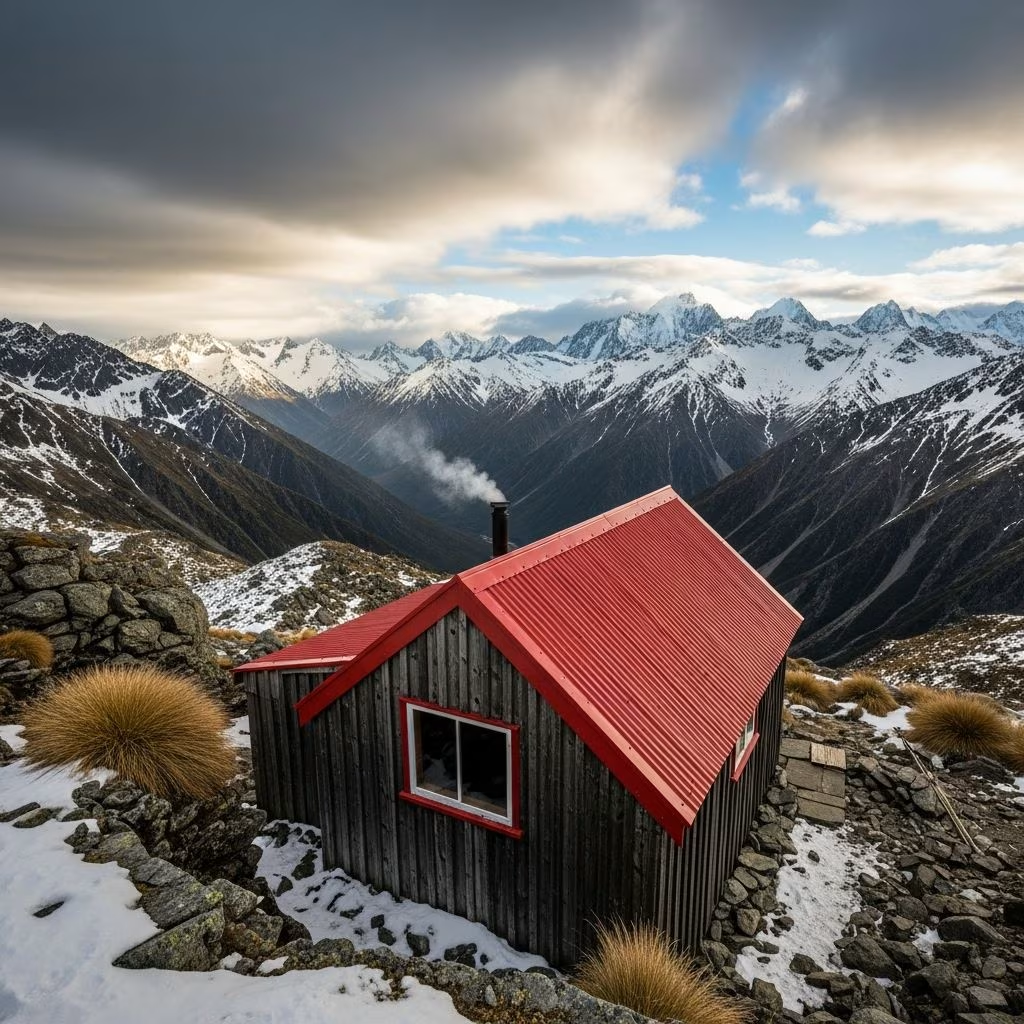
Explore New Zealand's 950+ managed backcountry huts, from historic stone shelters to modern alpine lodges, offering accessible mountain adventures for all skill levels.
 Travel Essentials
New Zealand possesses one of the world’s most comprehensive and publicly accessible networks of backcountry shelters, with approximately 1,500 huts distributed across the country’s diverse landscapes. This remarkable infrastructure reflects both the nation’s commitment to outdoor accessibility and its historical relationship with mountain exploration. The Department of Conservation (DOC) manages over 950 of these structures, making them available to the general public without requiring expensive club memberships or restrictive access fees—a distinction that sets New Zealand apart from many international backcountry systems.
These mountain refuges serve multiple purposes beyond simple overnight accommodation. They provide critical shelter from New Zealand’s notoriously unpredictable weather patterns, supply rest points for multi-day tramping expeditions, and offer accessible entry points for outdoor enthusiasts of varying experience levels. The diversity of hut types reflects the varied terrain and accessibility requirements across the country, with options ranging from simple weatherproof structures to fully equipped mini-lodges featuring modern conveniences.
The historical origins of these shelters are rooted in practical necessity. Early shepherds, miners, and explorers constructed basic stone and timber structures to survive in the harsh alpine environment. Many of these original constructions have been preserved or restored, maintaining their character while incorporating safety improvements and basic amenities. This blend of heritage and functionality creates a unique accommodation experience that connects visitors with New Zealand’s outdoor heritage.
The spectrum of backcountry hut accommodations in New Zealand encompasses remarkable diversity. At one end of the spectrum, visitors encounter minimal structures—basic weatherproof shelters with little more than roof and walls. These huts typically feature long-drop toilets, basic benches, and perhaps a wood-burning stove for warmth. At the opposite end exist sophisticated facilities that rival comfortable mountain lodges, complete with flush toilets, full kitchens equipped with gas hobs, hot running water, solar lighting systems, and comfortable mattressed bunks.
Most huts occupy the middle ground, offering functional comfort without excessive luxury. Typical mid-range facilities include:
This variation in amenities directly correlates with accessibility, location difficulty, and maintenance requirements. Huts requiring technically challenging approaches or situated in remote alpine terrain typically offer more basic facilities, while those accessible via moderate day hikes may feature enhanced comforts to accommodate a broader visitor demographic.
New Zealand’s hut network strategically spans multiple ecosystems and elevation zones. Some shelters perch in high alpine environments, providing refuge above the tree line where weather can be particularly severe and sudden. Others nestle within native bush forests, offering immersion in dense subtropical or temperate rainforest environments. A third category comprises easily accessible structures located mere minutes from parking areas, designed specifically for families and casual day hikers seeking modest outdoor experiences.
This geographic diversity means potential visitors can select experiences matching their capabilities and interests. A family with young children might opt for a short forest walk to a hut-based picnic experience, while experienced mountaineers pursue challenging alpine routes connecting multiple high-altitude shelters over multi-day expeditions.
Certain huts have achieved particular prominence among both domestic and international visitors due to their scenic qualities, accessibility, or location along established tramping routes. Mueller Hut ranks among the most visited shelters, recognized for its stunning mountain vistas and relatively accessible approach. The Pinnacles Hut attracts trampers seeking alpine terrain without extreme technical difficulty.
Other frequently visited facilities include Almer Hut and Packhorse, each offering distinct advantages in terms of scenic location, amenity level, or network position within longer tramping trails. Nydia Lodge represents another popular destination, serving hikers exploring specific regional trail systems.
A notable special case is the MacKinnon Shelter, which, despite its location along one of New Zealand’s most celebrated trails, does not permit overnight accommodation. Nevertheless, its position makes it worthy of mention among the country’s most significant hut-related destinations.
New Zealand’s DOC system actively works to ensure hut accessibility for visitors with varying mobility levels and abilities. The network includes wheelchair-accessible facilities, accommodating people with physical disabilities. This commitment to inclusive outdoor access represents an important aspect of the broader hut system philosophy, ensuring that backcountry experiences remain available to a wide demographic.
Beyond wheelchair accessibility, huts accommodate varying fitness levels through strategic placement of easier-access facilities. Many popular destinations offer multiple hut options along the same trail system, allowing visitors to choose based on their capabilities. A modest fitness level might limit visitors to facilities requiring 2-3 hour approaches, while experienced trampers might opt for huts demanding 5+ hours of challenging terrain navigation.
Access to New Zealand’s huts operates under varied systems reflecting each facility’s capacity and visitor demand. Some huts operate on a first-come, first-served basis throughout the year, allowing spontaneous visits without advance arrangement. Others require mandatory booking during peak seasons—typically October through April—when visitor volume peaks.
Premium facilities or those along established Great Walks often implement year-round booking requirements to manage capacity and ensure quality visitor experiences. Prices vary substantially, ranging from free access at certain basic shelters to premium rates exceeding $100 per person at highly developed facilities serving popular trails.
Seasonal variations significantly impact hut availability and access conditions. Summer months (December-April) offer optimal hiking weather and maximum facility availability, though also bring higher visitor numbers and busier conditions. Winter mountaineering requires appropriate experience and equipment, with some higher-altitude huts becoming inaccessible or hazardous for inexperienced users.
New Zealand’s designated Great Walks represent premium multi-day tramping experiences, with huts forming critical components of these established routes. These internationally recognized trails connect chains of strategically placed shelters, allowing visitors to complete multi-day journeys through spectacular scenery with reliable accommodation along predetermined routes.
Great Walk huts typically feature enhanced amenities, professional warden management, and more structured booking systems compared to general backcountry facilities. Their infrastructure supports the needs of non-specialist trampers completing ambitious multi-day journeys, with huts providing reliable shelter, cooking facilities, and social spaces fostering community among fellow travellers.
The financial accessibility of New Zealand’s hut system varies considerably. Basic facilities may charge as little as $5-15 per person nightly, making extended backcountry experiences remarkably affordable. Mid-range huts typically cost $50-65, while premium Great Walk facilities command higher rates, particularly for international visitors facing different pricing structures.
This pricing diversity reflects amenity levels, maintenance costs, and demand patterns. Budget-conscious travellers can experience New Zealand’s backcountry affordably by selecting basic facilities, while those prioritizing comfort can access well-equipped accommodations at reasonable cost compared to commercial mountain lodges elsewhere globally.
Many of New Zealand’s backcountry huts carry historical significance dating to their original construction by early explorers, mining operators, and pastoral workers. These pioneers built shelters out of necessity, responding to the landscape’s challenging weather patterns and isolation. Several original structures remain in use today, preserving tangible connections to New Zealand’s mountain heritage.
The DOC actively maintains and restores historically significant huts, balancing preservation with modern safety and comfort requirements. This approach allows visitors to experience authentic historical shelters while benefiting from contemporary improvements—a unique arrangement unlikely in many international backcountry systems.
Selecting Appropriate Facilities: Begin by assessing your fitness level, tramping experience, and desired amenity standards. First-time hut users might prefer easily accessible options featuring moderate amenities, while experienced mountaineers may embrace minimalist high-altitude shelters offering uncompromised wilderness experiences.
Seasonal Considerations: Summer months offer optimal conditions, greatest facility availability, and predictable weather, though expect busier conditions. Winter access requires mountaineering skills and appropriate equipment for many huts. Shoulder seasons (September-November and April-May) provide pleasant conditions with reduced crowding.
Booking Strategy: Popular huts, particularly those along Great Walks, often reach capacity during peak season. Book several months in advance for December-January periods. Off-season visits to popular destinations offer opportunities for spontaneous exploration with minimal advance planning.
Essential Preparation: Regardless of hut comfort level, carry weather-appropriate clothing, reliable navigation equipment, first aid supplies, and adequate food provisions. Some huts lack reliable resupply opportunities, necessitating careful provisioning for multi-day journeys.
Certain huts merit special mention for distinctive characteristics. Historic stone and timber structures provide tangible connections to New Zealand’s pioneering past. Modern facilities equipped with solar power systems demonstrate sustainable mountain accommodation practices. Huts positioned at scenic vantage points offer incomparable mountain vistas—compensation for sometimes challenging access routes.
The Ivory Lake Hut has gained international recognition as exceptionally well-positioned, though requiring significant effort to access. These premier locations justify the additional physical demands, offering rewards through matchless natural scenery and solitude.
Families with children can successfully enjoy hut-based experiences by selecting appropriate facilities and routes. Easy-access huts within forest environments suit younger children, while older kids capable of 2-3 hour hikes can access more remote locations. The Hooker Hut exemplifies family-appropriate options, featuring relatively straightforward access, historic charm, and stunning mountain views suitable for children’s outdoor education.
Hut communities function optimally when visitors observe established protocols. Maintain cleanliness in shared spaces, minimize noise during evening and night hours, and leave facilities in comparable condition to arrival state. Respect other occupants’ privacy and rest requirements, particularly important in dormitory-style sleeping arrangements. Leave sufficient firewood for subsequent visitors, and ensure all rubbish departs with you rather than accumulating in huts.
New Zealand’s backcountry hut system represents a remarkable infrastructure achievement combining accessibility, affordability, and heritage preservation in ways few countries have successfully replicated. With over 950 managed facilities spanning diverse terrain and amenity levels, the system accommodates everyone from families on modest day excursions to experienced mountaineers pursuing ambitious multi-day alpine traverses. This democratic approach to backcountry access continues the legacy begun by early explorers and pastoralists who built initial shelters from practical necessity, transforming these functional structures into beloved destinations attracting visitors from worldwide. Whether seeking luxury alpine experiences or minimalist wilderness immersion, New Zealand’s hut network provides gateways to extraordinary mountain adventures accessible to committed outdoor enthusiasts regardless of budget constraints or prior experience levels.
