

 Travel Essentials
 Travel Essentials

Comprehensive guide to planning your New Zealand journey covering top destinations, activities, travel tips, and regional highlights for an unforgettable adventure.
 Travel Essentials
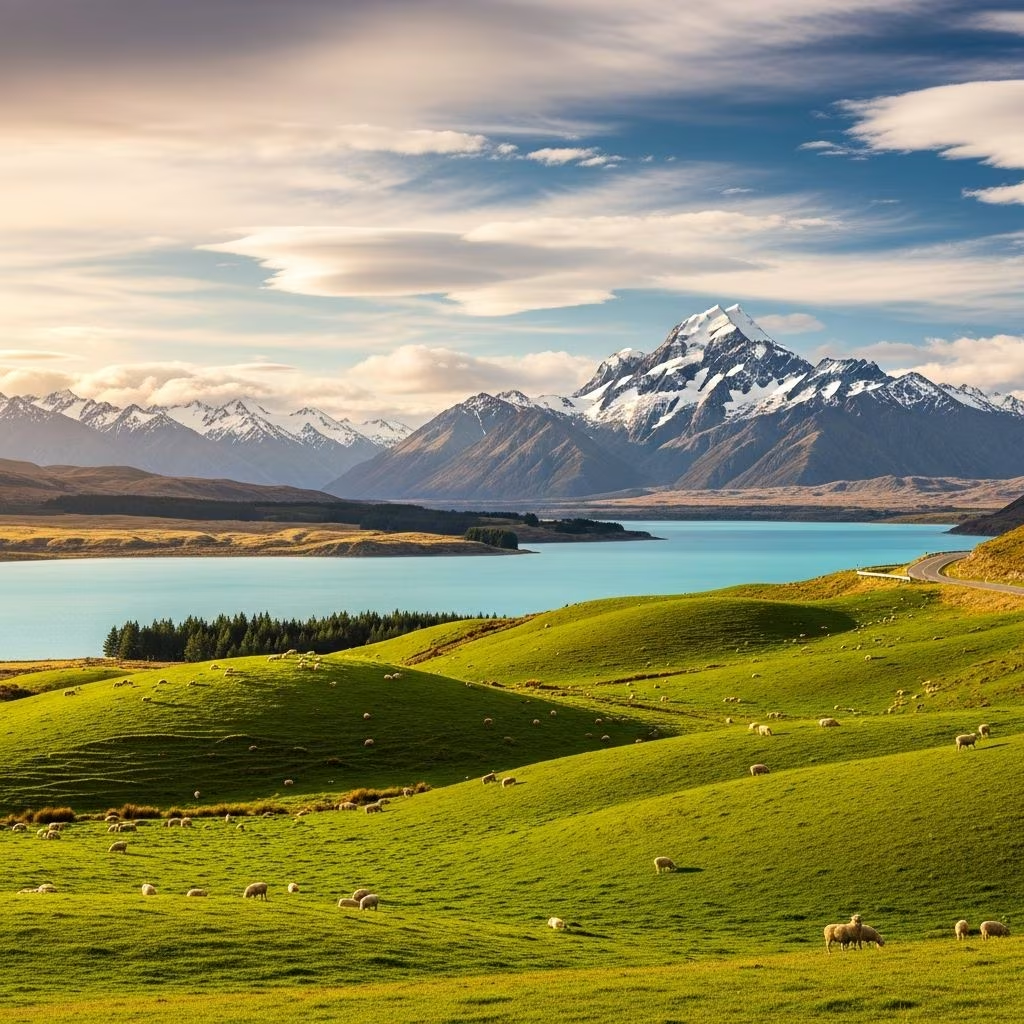
New Zealand, known locally as Aotearoa, stands as one of the world’s most remarkable destinations for travelers seeking a blend of dramatic landscapes, rich cultural heritage, and exhilarating outdoor pursuits. This Pacific island nation offers visitors an extraordinary range of experiences compressed into a relatively compact geography, making it an ideal destination for both first-time explorers and seasoned adventurers.
New Zealand comprises two primary landmasses: the North Island and the South Island, each offering distinctly different experiences. The North Island serves as home to major metropolitan centers and serves as the cultural heart of the nation, while the South Island showcases some of the most dramatic and pristine wilderness areas found anywhere on Earth. Most international visitors arrive through Auckland, the nation’s largest city on the North Island, before branching out to explore both regions.
The relatively compact nature of the country means that travelers can experience remarkable geographic and climatic diversity within short driving distances. This accessibility makes New Zealand particularly appealing for road trips and self-guided adventures, allowing visitors to craft personalized itineraries that match their interests and available timeframe.
As New Zealand’s primary entry point and largest metropolitan area, Auckland combines contemporary urban energy with genuine hospitality. The city serves multiple roles for visitors: a launching pad for further exploration, a destination in its own right, and a place where Pacific Islander cultures blend seamlessly with European influences. Visitors should allocate 2-3 days to experience the city’s character, allowing time for waterfront exploration, museum visits, and discovering neighborhoods beyond the central business district.
Key attractions include iconic viewpoints, world-class museums celebrating both natural history and contemporary art, and neighborhoods filled with diverse dining and entertainment options. The proximity of Auckland to pristine natural areas means day trips can easily be incorporated into an urban stay, providing a perfect balance between city amenities and outdoor adventure.
The central North Island contains some of the world’s most active geothermal areas, where visitors encounter landscapes that seem almost alien to those unfamiliar with volcanic regions. Steam rises naturally from the earth, thermal pools shimmer with mineral-rich waters, and the scent of sulfur permeates the air. These areas showcase nature’s raw power and provide opportunities for both passive sightseeing and active geothermal bathing experiences.
The region’s geothermal features have held deep cultural significance for indigenous Maori people for centuries, and many contemporary attractions honor these traditional connections while offering visitors safe access to natural thermal wonders.
Located north of Auckland, the Bay of Islands represents a dramatic shift from urban landscapes to coastal tranquility. This maritime area combines stunning beach scenery with significant historical and cultural sites. The region’s waters provide excellent opportunities for marine wildlife encounters, including dolphins and whales that frequent these waters seasonally, while sandy beaches offer spaces for relaxation and water activities.
The historical dimensions of the Bay of Islands add cultural depth to any visit. Important sites commemorate foundational moments in the nation’s modern history, and local museums provide context for understanding the complex relationships between European settlers and indigenous populations.
New Zealand’s capital city presents a dramatically different character from Auckland. Wellington feels distinctly artistic and culturally vibrant, with independent galleries, innovative restaurants, and a thriving live music scene. The city’s compact size makes it highly walkable, and its hillside geography provides excellent viewing points for sunset appreciation and city panoramas.
Cultural institutions in Wellington attract international recognition, and the city’s coffee culture has earned particular acclaim. For visitors interested in film history and special effects artistry, specialized workshops offer hands-on experiences related to the country’s renowned film production industry.
Queenstown has earned the unofficial designation of adventure capital, and for good reason. Surrounded by dramatic mountain peaks and pristine lakes, this destination serves as a hub for extreme sports and outdoor pursuits. The town itself maintains a bustling energy, with countless adventure operators offering everything from relatively gentle activities to truly hardcore pursuits.
Beyond the adrenaline-focused attractions, Queenstown’s setting provides spectacular natural beauty. The surrounding landscape offers excellent hiking opportunities, scenic flights, and water-based adventures. The town’s restaurant and entertainment scenes rival those of much larger cities, making it a complete destination rather than merely an activity center.
Fiordland National Park encompasses some of the most dramatic scenery anywhere on the planet. Ancient fjords cut deep into the landscape, waterfalls cascade from impossible heights, and the sense of remoteness and geological grandeur pervades the experience. Multi-day hiking trails offer the most immersive experiences, though day trips and scenic cruises provide accessible alternatives.
The region’s remoteness means fewer crowds compared to other popular destinations, allowing visitors to experience landscapes that feel largely unchanged since human arrival. The combination of water, mountains, and temperate rainforest creates an environment that feels almost primordial.
The South Island’s West Coast hosts two accessible glacier systems that showcase the region’s dramatic alpine character. Visitors can experience glaciers through various activity levels, from scenic flights providing aerial perspectives to ground-based hiking that brings visitors into direct contact with these frozen landscapes.
The glacial regions sit within temperate rainforest environments, creating striking contrasts between ice and verdant vegetation. This juxtaposition makes the glacier areas visually distinctive and ecologically fascinating.
Abel Tasman offers visitors a distinctly different South Island experience, with turquoise waters, sandy beaches, and dense forest coverage that evokes tropical destinations. The park combines terrestrial and marine environments, offering both hiking trails and sea kayaking opportunities. The marked walking trails range from easy day hikes to multi-day backpacking expeditions.
The protected waters provide excellent conditions for water-based exploration, and the park’s beaches offer swimming and relaxation opportunities rarely found in this latitude.
Several regions throughout New Zealand have developed internationally recognized wine industries, with Marlborough wines achieving particular distinction. Wine-focused travel options range from self-directed cellar door visits to organized culinary tours that combine wine tastings with local food experiences. These regions also showcase architectural heritage and agricultural landscapes that provide context for understanding New Zealand’s rural character.
Beyond outdoor attractions, New Zealand contains numerous sites of cultural and historical significance. Museums, cultural centers, and heritage locations provide deeper understanding of both indigenous Maori heritage and European settlement history. Many communities offer cultural performances and immersive experiences that go beyond typical museum-based education.
The following table summarizes major adventure activities available throughout New Zealand:
| Activity Type | Primary Locations | Typical Duration | Difficulty Level |
|---|---|---|---|
| Hiking/Trekking | National parks throughout both islands | Day hikes to multi-day expeditions | Varies widely |
| Water Sports | Coastal areas, fjords, lakes | 2-8 hours typically | Beginner to advanced |
| Aerial Activities | Alpine regions, scenic areas | 30 minutes to 2 hours | Accessible for most |
| Marine Wildlife Viewing | Bay of Islands, coastal regions | 3-8 hours | Passive observation |
| Thermal Experiences | Central North Island | Half to full day | Accessible |
New Zealand’s seasons run opposite to Northern Hemisphere patterns. Summer months (December through February) offer warm weather and extended daylight hours, with sunset occurring as late as 10 PM in some locations. This season provides ideal conditions for outdoor activities but coincides with peak tourism periods and higher accommodation prices. Winter months (June through August) bring cooler temperatures and increased snowfall in alpine regions, limiting certain activities but offering fewer crowds and lower costs.
Shoulder seasons (September through November and March through May) provide balanced conditions with fewer tourists than summer but more favorable weather than winter, making these periods attractive for many travelers.
Visitors have several transportation options for exploring New Zealand. Self-drive road trips offer maximum flexibility and allow for spontaneous discoveries. Public transportation networks connect major centers but operate less frequently in remote areas. Guided tours handle logistics while often providing cultural context and local insights unavailable to independent travelers.
Accommodation options span from budget backpacker hostels to luxury lodges, with mid-range options offering excellent value. Many travelers mix accommodation types throughout their journey, using budget options in major cities and splurging on memorable stays in scenic or remote locations.
New Zealand travel costs vary significantly based on travel style and seasonal timing. Strategic planning can reduce expenses: visiting during shoulder seasons typically results in 20-40% cost savings compared to peak summer. Free walking tours provide authentic local perspectives without cost. Self-catering for some meals reduces restaurant expenses while allowing grocery store exploration.
The most memorable experiences often come through authentic local interaction rather than formal tourism infrastructure. Staying in locally-owned accommodations, dining at neighborhood restaurants rather than tourist-oriented establishments, and engaging with residents provides cultural insights and generates genuine connections.
Rather than attempting to see everything, focusing on fewer destinations with greater depth typically results in more satisfying experiences. Most travel advisors recommend spending at least 2-3 days in each major region to absorb the character and culture rather than treating destinations as checkbox items.
The optimal timing depends on personal priorities. Summer (December-February) offers warm weather and extended daylight but means crowds and higher costs. Shoulder seasons (September-November, March-May) provide excellent weather with fewer tourists. Winter suits snow sports enthusiasts but limits other activities.
Most first-time visitors allocate 2-3 weeks for a meaningful experience covering both islands. Two weeks allows focus on major highlights, while three weeks accommodates more leisurely pacing and deeper regional exploration.
Yes, provided visitors obtain an International Driving Permit and understand that New Zealand requires driving on the left side of the road. Most international rental agencies operate at major centers. Road conditions vary from excellent highways to remote gravel routes, so assessing your comfort level is important.
Many accessible options exist, including easy hiking trails, scenic cruises, wildlife viewing, and thermal pool bathing. These activities require no special skills or equipment while providing genuine connection with New Zealand’s natural environment.
Absolutely. Hostels, free attractions, picnic meals, and budget tour operators make New Zealand accessible across spending ranges. Visiting during shoulder seasons particularly enhances budget-friendly travel possibilities.
