

 Travel Essentials
 Travel Essentials

This comprehensive guide uncovers Newfoundland's stunning landscapes, from iceberg-filled bays to puffin colonies, with tips on St. John's vibrancy, national parks, and island-hopping itineraries.
 Travel Essentials
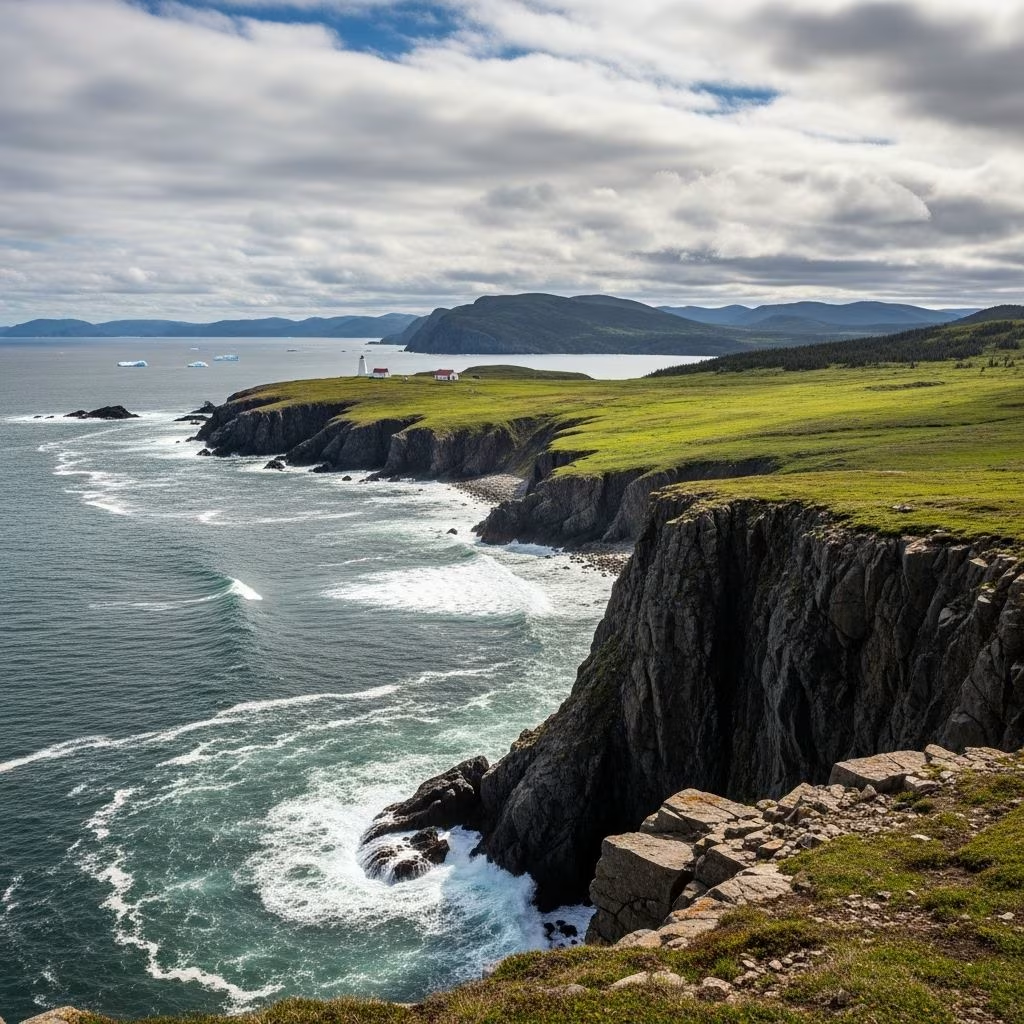
Newfoundland, the easternmost province of Canada, captivates with its dramatic coastlines, floating icebergs, and resilient cultural heritage. This vast island offers a perfect blend of raw natural wonders and welcoming communities, drawing adventurers, hikers, and wildlife enthusiasts from around the world.
The island’s allure lies in its elemental forces: crashing waves against sheer cliffs, vast forests of spruce, and seas teeming with marine life. Known locally as ‘the Rock,’ Newfoundland’s terrain is unforgiving yet breathtaking, where fog-shrouded fjords meet colorful fishing villages. Visitors often describe it as a place where time slows, allowing immersion in pristine environments untouched by mass tourism.
From the bustling streets of St. John’s to the remote outports, every corner reveals unique stories. The province’s half-hour time difference from mainland Canada adds to its sense of otherworldliness, fostering a distinct rhythm of life.
Most journeys begin in St. John’s, home to the province’s main international airport. The drive from the airport to downtown takes just 10 minutes, with taxi fares around CAD 35. Renting a car is highly recommended for exploring beyond the capital, as public transport is limited outside urban areas.
For island-wide travel, ferries connect to remote spots like Fogo Island. Coastal roads twist dramatically, offering sudden vistas of archipelagos or towering icebergs. Allow extra time for weather delays, as fog and wind are common.
St. John’s, Newfoundland’s capital, buzzes with energy. Its iconic row houses, painted in vivid hues, climb steep hills overlooking a working harbor. With nearly 114,000 residents, it’s the ideal launchpad for provincial adventures.
Plan 2-3 days here. Wander downtown’s compact streets, popping into indie shops like craft galleries and record stores. Cultural hubs such as The Rooms offer exhibits on provincial history with stunning harbor views from its café.
For craft beverages, join brewery tours sampling local ales at multiple spots. Culinary adventures highlight seafood like fish and chips alongside innovative dishes at tavern-style eateries.
The Avalon Peninsula, encircling St. John’s, blends history and scenery. Start in Cupids, site of England’s first Canadian colony from 1610. Hike the Burnt Head Trail for panoramic ocean views amid blueberry patches and ancient stone walls.
Cape Spear, Canada’s easternmost point, rewards early risers with sunrise over the Atlantic. The historic lighthouse site doubles as a whale-watching vantage. Nearby, the North Head Trail delivers 1.7 km of cliff-edge paths leading to the Lower Battery district.
| Site | Highlight | Distance from St. John’s | Best Time |
|---|---|---|---|
| Cape Spear | Sunrise & whales | 20 min drive | Dawn or dusk |
| Cupids | Historic trails | 1 hour | Summer hikes |
| Quidi Vidi | Fishing village | 15 min | Anytime |
On Newfoundland’s west coast, Gros Morne National Park stands as a UNESCO World Heritage Site. Its tabletop mountains, fjords, and exposed earth’s mantle showcase geological marvels. Dedicate four days to hiking, scenic drives, and boat tours.
Key trails include the challenging Gros Morne Mountain ascent for 360-degree vistas. Western Brook Pond, a land-locked fjord, requires a boat cruise to fully appreciate its sheer walls rising from glassy waters. Coastal paths reveal tucked-away beaches and moose sightings.
Stay in nearby Rocky Harbour for cozy lodges and fresh seafood dinners. Summer brings wildflower blooms; autumn paints the tundra in fiery hues.
Newfoundland’s seas are alive with spectacle. From St. John’s, Iceberg Quest tours venture to Cape Spear, spotting humpback whales breaching amid calved icebergs. In Bay Bulls, operators like O’Brien’s and Gatherall’s access Witless Bay Ecological Reserve, hosting North America’s largest puffin colony—over 1 million birds nest here.
Book puffin tours early; shuttles from hotels ease logistics (extra CAD 35). Peak season (June-July) maximizes sightings, with narrated 2-hour trips blending education and thrill.
For seclusion, ferry to Fogo Island. This outport haven features fire-engine red fishing stages, hiking trails, and artist studios. Brimstone Head rises dramatically, listed among the world’s roundest rocks.
Other gems include Twillingate, the ‘Iceberg Capital,’ with capital B&Bs and trail networks. These spots embody Newfoundland’s authentic, unhurried lifestyle.
Newfoundland cuisine reflects its seafaring roots: cod tongues, fish cakes, and bakeapple desserts. St. John’s food tours unpack traditions like toutons with molasses. Inland, try caribou or moose in hearty stews.
Pair meals with Iceberg Beer, brewed from ancient ice. Forage for bakeapples (cloudberries) or partridgeberries in season.
3-Day Quick Trip: Focus on St. John’s—city walks, George Street, iceberg tour.
7-Day Loop: St. John’s (2 days), Avalon Peninsula (2 days), Gros Morne (3 days).
10+ Days Epic: Add Labrador ferry, Northern Peninsula, Fogo Island.
Best months: June-September for mild weather and wildlife. Pack layers for sudden changes.
June to September offers optimal weather, iceberg season, and whale migrations. Shoulder seasons (May, October) mean fewer crowds.
Yes, for most explorations. St. John’s is walkable, but parks and coasts demand driving.
Boat tours from St. John’s or Bay Bulls; book ahead for Witless Bay.
Absolutely—UNESCO status and diverse hikes make it a highlight.
Seafood chowder, moose pie, and partridgeberry treats showcase local bounty.
