

 Travel Essentials
 Travel Essentials

Explore Nicaragua's diverse landscapes from volcanic hikes and island escapes to historic towns and coffee tours. Budget tips, top attractions, and practical advice for 2026.
 Travel Essentials
Nicaragua captivates travelers with its stunning blend of natural wonders, rich history, and affordable adventures. Known as the land of lakes and volcanoes, this Central American gem offers everything from black-sand beaches and active craters to pastel-hued colonial streets and lush cloud forests.
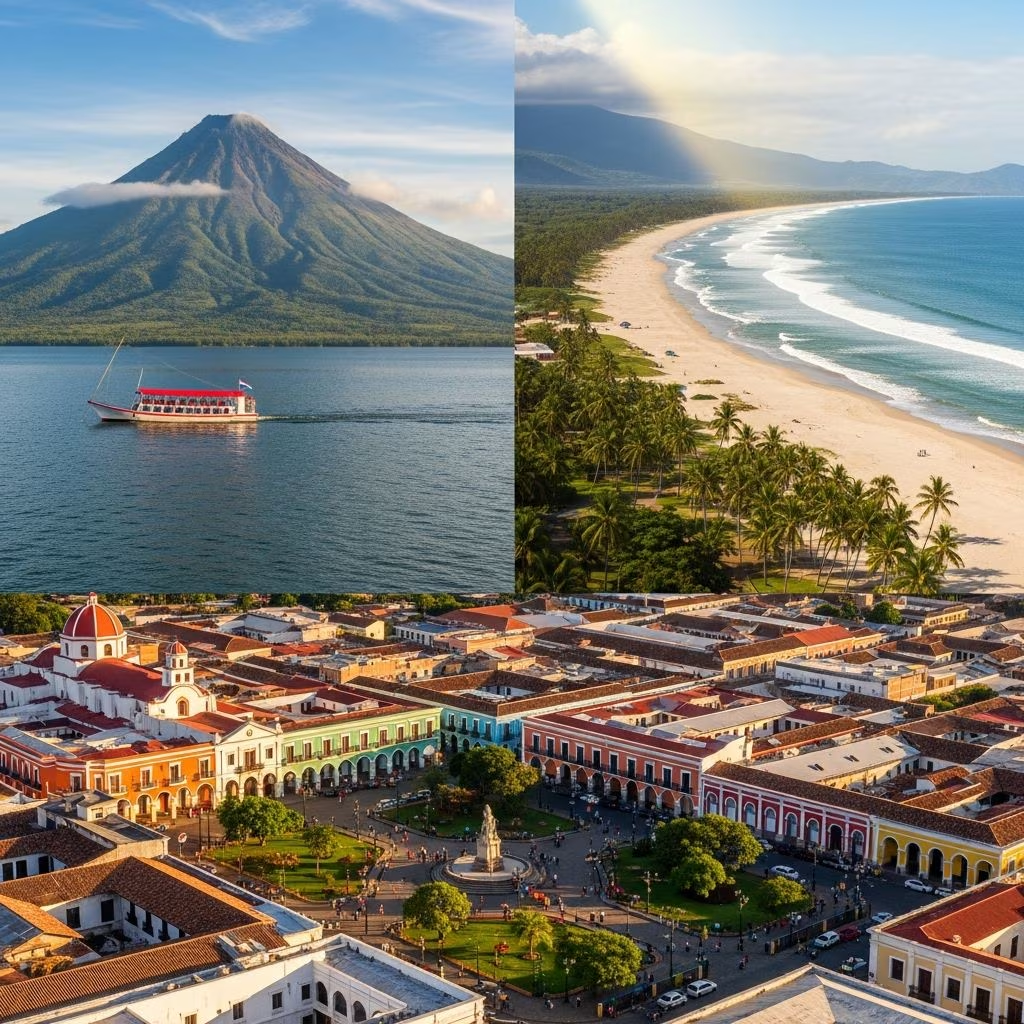
With improving infrastructure and a resurgence in tourism post-pandemic, 2026 is an ideal time to explore Nicaragua. The country boasts over 19 volcanoes—nine of them active—pristine Caribbean islands, and Pacific surf spots that draw backpackers and luxury seekers alike. Its dual coastlines provide contrasting vibes: laid-back island life on the east and vibrant beach towns on the west. Beyond nature, vibrant cities like Granada and León showcase Spanish colonial heritage alongside modern street art and lively universities.
Travel here remains budget-friendly, with daily costs averaging $30-50 USD for backpackers, including meals, hostels, and activities. Local cuisine features fresh seafood, plantains, and gallo pinto (rice and beans), often for under $5 per plate. Safety has improved in key tourist areas, though visitors should stay informed via official advisories.
Formed by two dramatic volcanoes—Concepción and Maderas—rising from the massive Lake Nicaragua, Ometepe is a UNESCO biosphere reserve. Hike the steeper Concepción (1,600 meters) for panoramic views (8-10 hours, guide required at 530 NIO/~$14 USD) or the muddier Maderas to a crater lake. Kayak between petroglyph sites, spot howler monkeys, or cycle rural roads. Stay in eco-lodges or fincas for an immersive experience.
Nicaragua’s oldest city dazzles with restored 16th-century architecture in vibrant pastels. Wander cobblestone streets lined with churches like the yellow Granada Cathedral and climb Iglesia de la Merced’s bell tower for lake vistas. Nearby, kayak Lake Nicaragua’s islets or ascend Mombacho Volcano’s cloud forest via cable car for zip-lining and hiking. Art galleries and plazas buzz with cafes serving world-class coffee.
Home to Central America’s largest cathedral, León pulses with student energy, street art, and nightlife. Tour revolutionary history museums, savor quesillo (cheese tortilla snacks), and catch local bands. It’s the gateway to volcano adventures: sandboard down Cerro Negro’s black ash slopes, camp at Telica for sunsets, or peer into Masaya’s bubbling lava (10-minute limit due to fumes).
This Pacific bay town, framed by volcanic hills, is Nicaragua’s surf capital. Beginners ride mellow waves at Playa Maderas, while pros tackle Punta Remedios. Sunsets from the 330-step Jesus statue viewpoint are legendary. Party hostels cater to backpackers, but yoga retreats and whale-watching (July-Oct) add serenity.
Escape to this tiny Caribbean speck for hammock lounging, lobster feasts, and world-class diving amid hammerhead sharks and coral caves. Otto’s Beach offers powdery sands and minimal crowds. Access via propeller plane or panga boat from Big Corn; no ATMs or cars mean a true unplugging.
Best Time to Visit: Dry season (Dec-Apr) for hiking; shoulder months (Nov, May) for fewer crowds and lower prices. Hurricane season peaks Sep-Nov.
| Expense | Budget (USD/day) | Mid-Range (USD/day) |
|---|---|---|
| Hostel/Dorm | 8-12 | 20-40 |
| Meals | 10-15 | 20-30 |
| Transport (Chicken Bus) | 5-10 | 20-40 (Shuttle) |
| Activities | 10-20 | 30-50 |
| Total | 35-60 | 90-160 |
Use chicken buses for authenticity (cheap but crowded), shuttles for comfort, or rent bikes/ATVs locally. ATMs are widespread in cities but scarce on islands—carry USD/córdobas. Visa on arrival for many nationalities (90 days).
Nicaraguans are warm and proud of their resilience post-natural disasters and political shifts. Engage via markets like Granada’s bustling stalls or León’s street food scene. Support communities through tours that fund locals, like Miraflores farming programs. Try nacatamales (tamales) for breakfast and vigorón (yucca and pork) as street eats.
Fly into Managua (MGA) or Liberia, Costa Rica (LIR). Domestic flights to islands save time. Buses connect major spots: Managua-Granada (1hr, $1-2), Granada-Ometepe ferry (2-3hrs). Taxis/Uber in cities; negotiate rideshares. Pack light for ferries, reef-safe sunscreen for diving, and rain gear year-round.
Yes, tourist areas are generally safe; stick to well-traveled paths, avoid flashing valuables, and use rideshares at night.
Córdobas (NIO) or USD accepted; tip 10% at restaurants, round up taxis.
Hepatitis A/B, typhoid recommended; malaria risk in rural east—consult CDC.
Boil or use purifiers; bottled is cheap and safe.
Fly Big Corn (Laundry Service airstrip), then 30-min panga ($10).
Choose eco-lodges, avoid single-use plastics, support fair-trade coffee tours, and hike with guides to minimize impact. Ometepe’s reserves thrive on responsible tourism.
