


 Food & Culture
Food & Culture
Niigata Travel Guide: Skiing, Sake, Seafood & Onsen
Explore Niigata Prefecture's world-class ski resorts, award-winning sake breweries, fresh seafood markets, and hot springs in this complete travel guide.
 Food & Culture
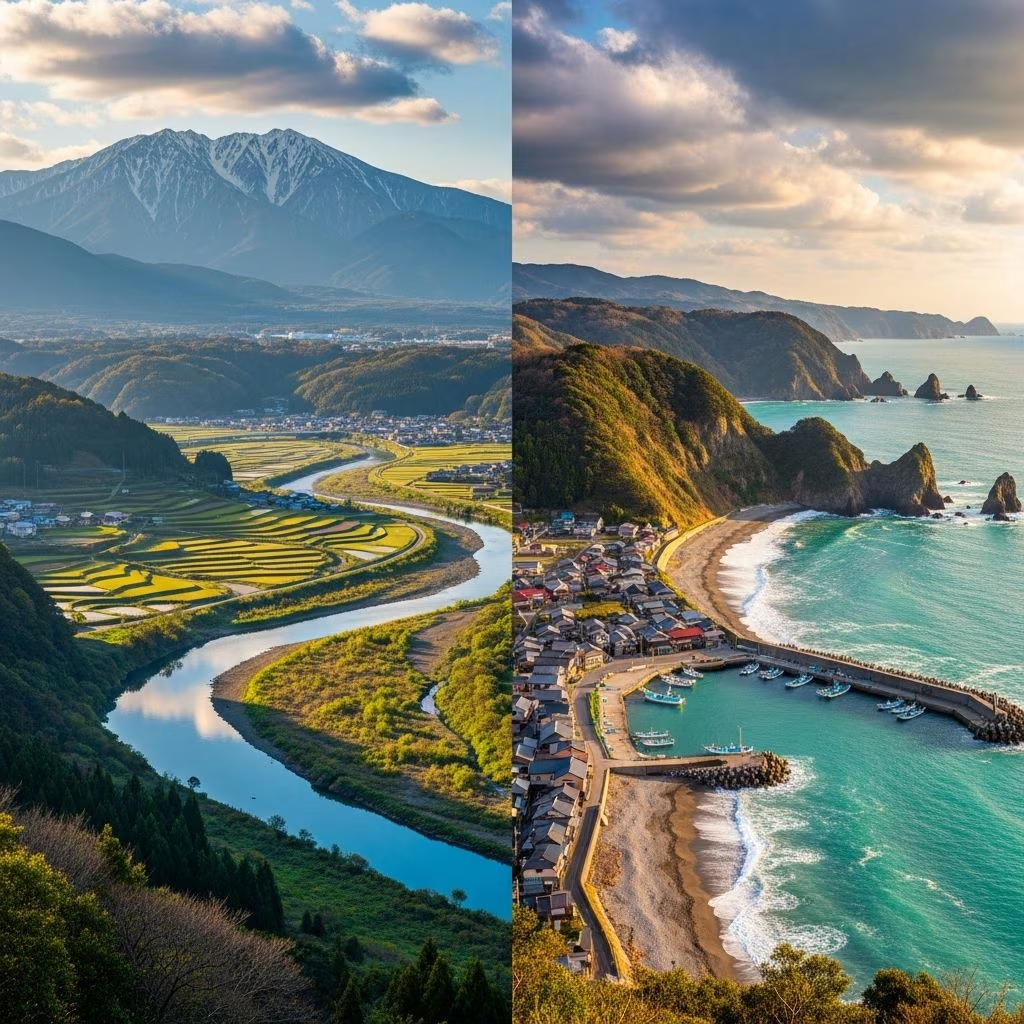
Niigata Prefecture stands as one of Japan’s most versatile travel destinations, offering visitors a compelling blend of world-class winter recreation, exceptional culinary traditions, and natural beauty. Positioned along Japan’s northwestern coast facing the Sea of Japan, this region has cultivated a distinctive identity built on three pillars: powder-perfect ski conditions, revered sake production, and outstanding seafood offerings.
Gateway Cities and Strategic Bases
Choosing the right base determines the success of your Niigata experience. The prefecture offers several compelling options depending on your priorities and travel style.
Niigata City functions as the cultural and culinary heart, providing urban amenities while remaining connected to traditional food markets and sake heritage. This is where food-focused travelers should anchor their visit, with access to comprehensive dining options and brewery tours.
Echigo Yuzawa represents the ideal launching point for ski enthusiasts, combining direct mountain access with renowned hot spring facilities. The town’s strategic location makes it perfect for combining winter sports with relaxation in thermal waters.
Myoko appeals to those seeking an authentic mountain town atmosphere alongside reliable snow conditions and a slower travel pace. This base works exceptionally well for visitors wanting to experience local culture without sacrificing ski quality.
Sado Island offers a contrasting experience focused on coastal scenery and contemplative travel, ideal for visitors seeking distance from mainland pace and rhythm.
Winter Sports Infrastructure and Mountain Access
Niigata’s reputation in winter sports extends far beyond casual skiing. The region receives exceptional snowfall, transforming mountains into premier powder destinations. Multiple resort areas operate at different elevations and difficulty levels, accommodating everyone from beginners to expert backcountry skiers.
The ski season typically runs from December through March, with peak conditions often occurring in January and February. Mountain towns maintain modern lift systems, grooming equipment, and rental facilities meeting international standards. Many resorts feature both on-piste and off-piste opportunities, allowing skiers to customize their experience based on ability and preference.
Access from Tokyo is straightforward via the Shinkansen bullet train, connecting directly to major ski towns and reducing travel friction for international visitors unfamiliar with regional transportation networks.
The Sake Culture and Brewing Heritage
Niigata’s sake production represents centuries of accumulated expertise and innovation. The prefecture produces approximately one-fifth of Japan’s premium sake, establishing itself as the nation’s undisputed sake capital. This prominence stems from ideal conditions: pure mountain water, locally-cultivated rice varieties, and a climate supporting complex fermentation processes.
Sake Tasting Experiences range from casual sampling to in-depth brewery tours. The Ponshukan Sake Museum, strategically located at Echigo-Yuzawa Station, enables visitors to sample selections from the prefecture’s many breweries using a token system. This approach allows comparison across different brewing styles and flavor profiles without committing to full bottle purchases.
Brewery Tours provide windows into production methods and philosophical approaches to sake-making. Long-established operations like Imayo Tsukasa, founded in 1767, welcome visitors with guided experiences explaining fermentation chemistry, ingredient sourcing, and aging techniques. English-language tours accommodate international visitors, making sake education accessible regardless of language ability.
The annual Niigata Sake no Jin festival, held every March, represents Asia’s largest sake celebration, drawing enthusiasts and professionals seeking to explore the prefecture’s full range of offerings.
Seafood Excellence and Culinary Traditions
Geography determines destiny in cuisine, and Niigata’s Sea of Japan coastline delivers extraordinary seafood variety. Seasonal catches include crab, prawns, squid, and regional specialties unavailable elsewhere. This marine abundance has shaped local cooking traditions, creating distinctive dishes that define Niigata gastronomy.
Market experiences provide the most authentic engagement with seafood culture. Minato no Marche Pier Bandai in Niigata City consolidates the region’s finest catches in a single vibrant venue, where fresh sushi, seafood bowls, and raw preparations showcase the Sea of Japan’s bounty. The market atmosphere captures local energy while accommodating international visitor preferences through diverse food options.
Beyond casual market dining, Niigata’s refined restaurants elevate seafood into kaiseki compositions, multi-course presentations balancing seasonal ingredients with artistic plating and philosophical seasonal awareness. Premium accommodations frequently feature kaiseki dining as centerpieces of their hospitality experience.
Rice, Regional Specialties, and Culinary Identity
Koshihikari rice from Niigata has achieved legendary status among Japanese consumers and internationally-recognized food professionals. This variety’s particular characteristics—subtle sweetness, tender grain structure, and complex flavor development—result from the prefecture’s soil composition, water systems, and seasonal temperature variations.
Beyond plain rice, regional specialties reflect Niigata’s culinary sophistication:
- Hegi Soba: Distinctive buckwheat noodles bundled in tidy portions and served with traditional dipping sauce, representing peasant cuisine elevated to an art form
- Noppe: Comforting stew combining seasonal vegetables, locally-sourced proteins, and broth foundations, particularly valued during winter months
- Sasa Dango: Traditional confections wrapped in bamboo leaves, symbolizing seasonal celebrations and gift-giving traditions
- Rice Crackers: Crispy preparations ranging from simple seasoning to elaborate flavor combinations, available throughout the prefecture as portable souvenirs
Food-focused travelers should prioritize market visits and casual dining experiences alongside formal restaurant bookings, as local expertise concentrates in smaller operations frequently overlooked by guidebooks.
Hot Spring Sanctuaries and Thermal Wellness
Japan’s onsen culture reaches particular expression in Niigata, where natural thermal waters emerge throughout the prefecture. These facilities extend beyond bathing into comprehensive wellness experiences integrating architecture, landscaping, and seasonal rhythms.
Tsukioka Onsen represents the most accessible thermal facility from Niigata City, featuring properties ranging from traditional family operations to contemporary luxury ryokan. The emerald-colored waters, among Japan’s most mineral-rich, deliver therapeutic properties recognized through centuries of use.
Specialized facilities like Shiratama no Yu Kahou combine private sulfur springs with sophisticated hospitality, offering kaiseki dining, private bath options, and stroll-style bathing areas connected through wooden pathways. The integration of seasonal landscaping transforms bathing into meditation rather than mere hygiene.
Winter represents peak onsen season, when hot water contrasts with frigid mountain air, creating sensory experiences impossible to replicate during warmer months. Many visitors structure ski days specifically around onsen relaxation, balancing physical exertion with thermal recovery.
Seasonal Attractions and Festival Calendar
Niigata’s appeal extends across all seasons, with each bringing distinctive attractions and cultural events.
Winter brings world-class skiing and the Niigata Sake no Jin festival in March, which draws sake enthusiasts celebrating the region’s brewing heritage through tastings and educational sessions.
Summer transforms Naeba mountain into Japan’s largest international music festival venue with Fuji Rock Festival, attracting global artists and music fans seeking mountain-altitude performances.
Spring and Autumn offer comfortable hiking, rice paddy photography opportunities, and smaller local festivals celebrating seasonal transitions and agricultural cycles.
Practical Visitor Information
Packing Essentials by Season:
- Winter: Waterproof boots, multiple warm layers, insulated gloves, quality winter coat, and hand/foot warmers for extended outdoor time
- Other Seasons: Comfortable walking shoes, layered clothing adjusting for mountain temperature fluctuations, and light rain protection for afternoon showers
Transportation Infrastructure: Shinkansen connections from Tokyo reach Niigata City in approximately two hours. Regional buses connect mountain towns and ski areas. Rental cars provide flexibility for visitors wanting to explore beyond public transit routes. English-language signage increases markedly in tourist-heavy areas, though rural villages retain Japanese-primary orientation.
Currency and Practicalities: Japanese Yen remains the standard currency, with ATMs located in all cities and most mountain towns. Credit card acceptance varies significantly, with cash remaining essential in rural areas and traditional establishments. Tourist information centers provide English-language materials and staff assistance.
Curated Itinerary Framework
A sample two to three-day visit might emphasize sake culture and coastal cuisine through Niigata City experiences, followed by thermal relaxation in mountain hot springs. Alternatively, ski-focused travelers might concentrate on winter sports infrastructure while sampling local sake and seafood during après-ski hours.
Longer visits of one week or more enable deeper exploration through brewery hopping, extended mountain time, and multi-base transitions allowing comprehensive regional understanding rather than surface-level sampling.
Frequently Asked Questions
What makes Niigata’s sake distinctive?
Niigata sake emphasizes clarity, precision, and elegant simplicity rather than heavy flavor profiles. Pure mountain water, locally-developed rice varieties, and cool fermentation conditions create characteristic dry, clean expressions valued by connoisseurs.
When is the best time to visit Niigata?
Winter offers exceptional skiing and onsen experiences. Spring and autumn provide comfortable hiking and scenic photography opportunities. Summer brings cultural festivals and mountain activities. Each season offers compelling reasons for visitation depending on personal priorities.
How long should I plan to spend in Niigata?
A minimum three-day visit allows sampling primary attractions including sake tasting, seafood dining, and onsen relaxation. Week-long visits enable deeper cultural immersion, mountain exploration, and island excursions. Extended stays reveal subtle regional distinctions and local community rhythms.
Are English-language tours available?
Yes, major breweries, markets, and tourism facilities increasingly offer English-guided experiences and English-speaking staff. Tourist information centers provide assistance with planning and reservations.
References
- The Ultimate Travel Guide to Niigata Prefecture, Japan — Eat Live Escape. https://eatliveescape.com/the-ultimate-travel-guide-to-niigata-prefecture-japan/
- Niigata 2-Day, 1-Night Model Itinerary: Japan’s Sake and Rice Exploration — GLTJP. https://www.gltjp.com/en/article/item/21221/
- Niigata Travel Guide: 15 Must-Visit Places, Food, And Amazing Photo Spots — Matcha JP. https://matcha-jp.com/en/7341
- Explore Niigata: Winter Sports, Sake Breweries, and Scenic Beauty — Travel with Amnet. https://travelwithamnet.com/blog/explore-niigata/
- Complete Guide to Niigata Prefecture — Rakuten Travel. https://travel.rakuten.com/contents/usa/en-us/guide/niigata/
On This Page
Gateway Cities and Strategic Bases Winter Sports Infrastructure and Mountain Access The Sake Culture and Brewing Heritage Seafood Excellence and Culinary Traditions Rice, Regional Specialties, and Culinary Identity Hot Spring Sanctuaries and Thermal Wellness Seasonal Attractions and Festival Calendar Practical Visitor Information Curated Itinerary Framework Frequently Asked Questions← Previous
How to Fly Private for Less: Budget-Friendly Options and Savings Tips
Next →
Buffalo, New York Travel Guide: Top Attractions, Food & Neighborhoods
Related Reading
More in Food & Culture
Food & Culture Food & Culture
 Food & Culture
Best Places to Eat in Rome: Neighborhood Dining Guide
 Food & Culture
 Food & Culture