


 Food & Culture
Food & Culture
Nishiki Market Kyoto: Food, Tips & Nearby Attractions
Explore Nishiki Market, Kyoto's iconic 400-year-old food street packed with fresh seafood, sweets, pickles, and knives. Get tips on best times to visit, must-try foods, and nearby attractions for an unforgettable experience.
 Food & Culture
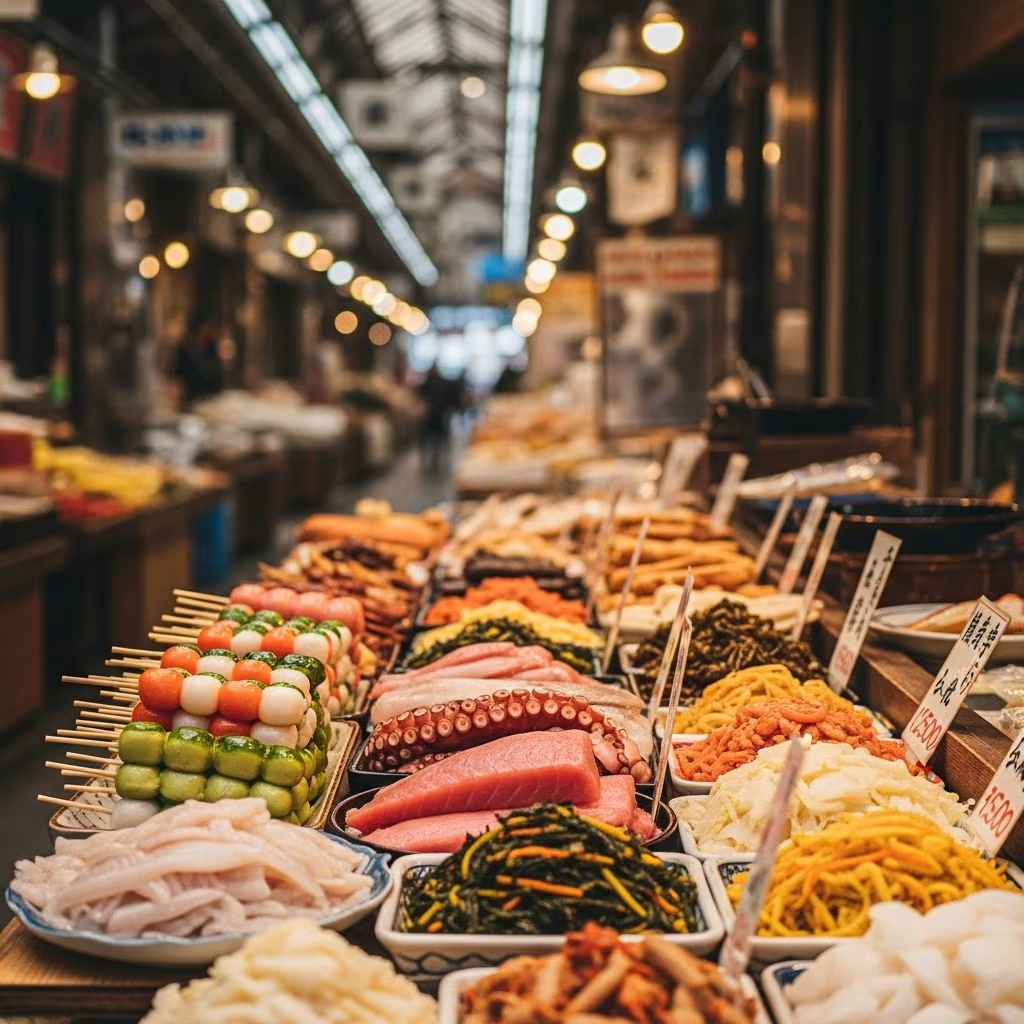
Nestled in the bustling heart of Kyoto, Nishiki Market stands as a testament to the city’s enduring love affair with food. This narrow, covered arcade stretches approximately 400 meters, lined with over 100 specialized stalls that brim with fresh ingredients, artisanal crafts, and mouthwatering snacks. Often dubbed “Kyoto’s Kitchen,” it has served locals and visitors for more than four centuries, evolving from a simple fish wholesale area into a vibrant retail hub.
The Timeless Legacy of Kyoto’s Culinary Hub
Nishiki Market’s origins trace back to around 1310, when the first fish shops appeared in the area. Over time, it expanded to include a diverse array of vendors, shifting from wholesale trading to a retail paradise focused on local produce and specialties. Today, many family-run businesses have passed down their expertise through generations, preserving techniques for crafting pickles, drying seafood, and forging knives.
The market’s architecture enhances its charm: a colorful roof in yellow, red, and green shades shelters pedestrians from the elements, creating an intimate, arcade-like atmosphere. Despite its central location near Shijo Street and Karasuma Station, the narrow pathway—barely wide enough for a few people abreast—fosters a sense of discovery amid the lively crowds.
Navigating the Market: Practical Visitor Tips
To make the most of your visit, timing is crucial. Official hours run from around 9 or 10 a.m. to 6 p.m., though individual stalls vary—some open earlier for fresh preparations, others close promptly to honor local customs. Arrive by 10 a.m. to dodge peak crowds, or return near closing for a quieter vibe. Weekdays offer a more relaxed pace compared to weekends.
Access is straightforward: Start at the western end near Nishikikoji and Takakura Streets, a quick 5-minute walk from Shijo or Karasuma subway stations. From Gion, it’s a pleasant 20-25 minute stroll across the river. Cash is king here, as many small vendors skip card payments.
- Pro Tip: Eat on the spot where you buy—walking while eating is considered impolite in Japan. Dispose of trash back at the stall.
- Crowd Hack: Mid-morning or late afternoon beats the lunch rush.
- Essentials: Wear comfy shoes for the uneven path and come hungry but paced—samples abound!
A Feast for the Senses: Iconic Foods and Treats
Nishiki Market dazzles with seasonal and regional delights, from glistening seafood to intricately shaped sweets. Vendors specialize in niches, showcasing Kyoto’s precision in cuisine.
Seafood Sensations
Fresh catches dominate, with stalls displaying squid, mackerel, and seasonal fish. Try saba zushi (mackerel sushi), a Kyoto classic, or grilled skewers prepared on the spot. Conger eel tempura and dried seafood add variety.
Pickles, Tofu, and Vegetables
Wooden barrels overflow with tsukemono (Japanese pickles) in flavors like plum and radish. Silky tofu skins and bamboo shoots highlight fresh produce, all locally sourced.
Sweets and Tea Delights
Wagashi—artistic Japanese confections—resemble jewels, often filled with red bean or matcha. Tea stalls offer premium leaves, while honey shops tempt with local varieties.
| Category | Must-Try Items | Why It’s Special |
|---|---|---|
| Seafood | Saba zushi, grilled squid | Freshly caught, prepared live |
| Pickles | Tsukemono varieties | Generational recipes |
| Sweets | Wagashi, matcha treats | Seasonal, jewel-like designs |
| Other | Tofu skin, knives | Artisanal craftsmanship |
Beyond Bites: Unique Souvenirs and Tools
Not just for eating, Nishiki offers practical treasures. Knife shops display razor-sharp blades for home chefs, honed by centuries-old methods. Cookware, teapots, and bamboo utensils reflect Kyoto’s artisanal pride. Fishcakes stuffed with quail eggs make quirky gifts.
Modern twists include fusion snacks like wagyu skewers, blending tradition with innovation. Food tours with English guides provide curated tastings across top stalls.
Surrounding Treasures: What to Explore Nearby
Nishiki’s prime spot links it to Kyoto’s highlights. Parallel Teramachi and Shinkyogoku arcades buzz with boutiques and temples. Nijo Castle lies northwest, Gion’s geisha lanes 15 minutes east.
- Samurai Ninja Museum: Hands-on history fun.
- Kimono Tea Ceremony: Cultural immersion nearby.
- Pontocho Alley: Evening dining post-market.
Frequently Asked Questions (FAQs)
What are the best times to visit Nishiki Market?
Early morning (9-11 a.m.) or late afternoon (5 p.m.) avoids crowds. Closed Sundays in parts, full by 6 p.m.
Is Nishiki Market family-friendly?
Yes, with kid-pleasing skewers and sweets, but watch the narrow paths during peaks.
Can I use credit cards?
Limited—bring yen for small stalls.
How long to spend there?
1-3 hours for a full stroll and tastings.
Any etiquette rules?
No walk-and-eat; respect space in crowds; no photos without permission.
Plan Your Perfect Market Adventure
Combine Nishiki with a half-day itinerary: Morning market feast, afternoon castle visit, evening Gion wander. For deeper dives, join a guided tour. This living pantry encapsulates Kyoto’s soul—fresh, flavorful, and forever evolving.
References
- Nishiki Market – Kyoto Travel – Japan Guide — japan-guide.com. 2023. https://www.japan-guide.com/e/e3931.html
- Guide to Nishiki Market — Rakuten Travel. 2024. https://travel.rakuten.com/contents/usa/en-us/guide/nishiki-market/
- Guide to Nishiki Market in Kyoto, Japan: Good, Bad & Ugly — Travel Caffeine. 2024. https://www.travelcaffeine.com/nishiki-market-kyoto-japan-guide-tips/
- Things to Do Near Nishiki Market Kyoto: 2026 Guide — MAIKOYA. 2026. https://mai-ko.com/travel/japan/kyoto/nishiki-market-kyoto/
- A Guide To Visiting Nishiki Market, Kyoto — We Are Global Travellers. 2025. https://weareglobaltravellers.com/2025/11/nishiki-market-kyoto/
On This Page
The Timeless Legacy of Kyoto's Culinary Hub Navigating the Market: Practical Visitor Tips A Feast for the Senses: Iconic Foods and Treats Beyond Bites: Unique Souvenirs and Tools Surrounding Treasures: What to Explore Nearby Frequently Asked Questions (FAQs) Plan Your Perfect Market Adventure← Previous
North Macedonia Travel Guide: Top Destinations, Tips & Itineraries
Next →
Best Places to Visit in Colombia: Cities, Nature & Hidden Gems
Related Reading
More in Food & Culture
Food & Culture Food & Culture
 Food & Culture
Best Places to Eat in Rome: Neighborhood Dining Guide
 Food & Culture
 Food & Culture