
 Stays
StaysStays
Nishiyama Onsen Keiunkan: Japan’s Oldest Hotel
Explore Nishiyama Onsen Keiunkan, founded in 705 AD, the world's oldest continuously operating hotel in Yamanashi Prefecture, Japan, offering historic ryokan stays amid stunning mountains.
 Stays
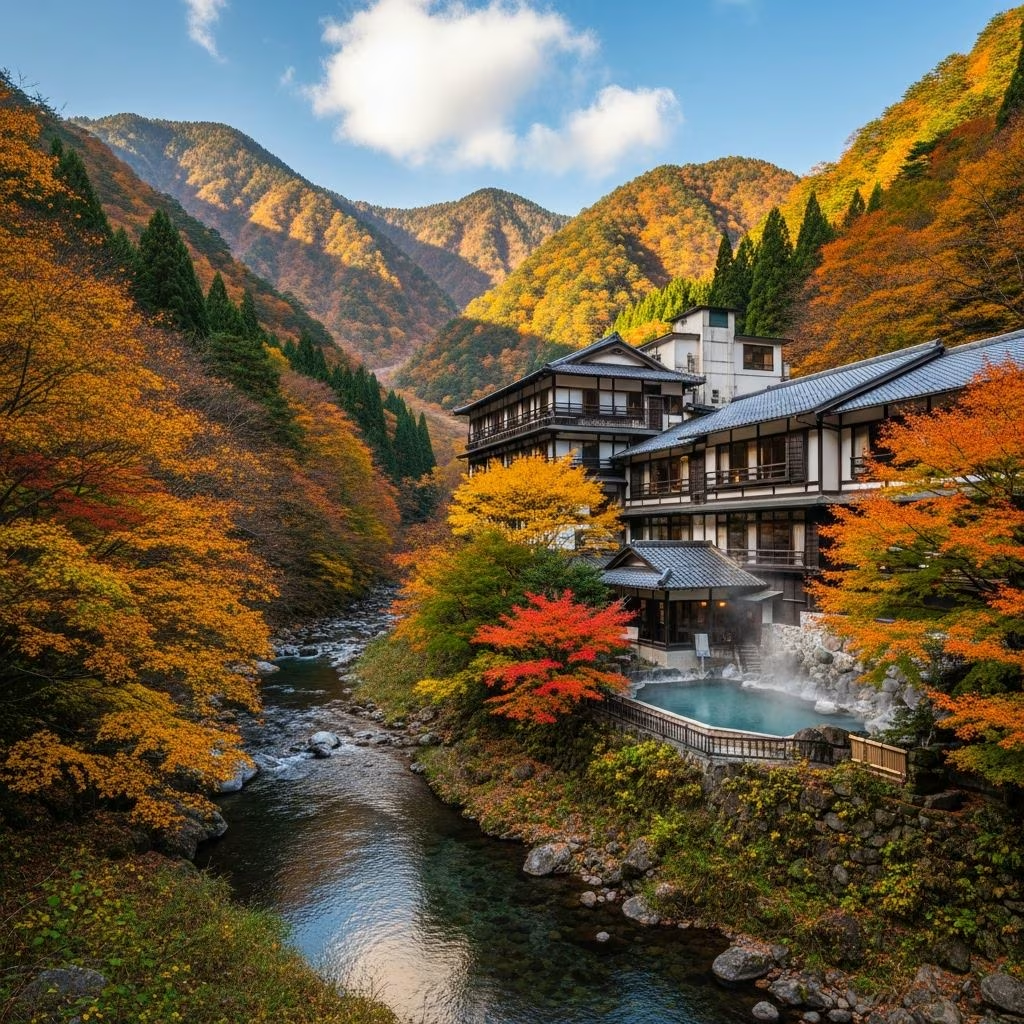
StaysDeep in the mountainous terrain of Yamanashi Prefecture lies Nishiyama Onsen Keiunkan, a ryokan that has welcomed guests since 705 AD, earning its place as the world’s oldest hotel according to Guinness World Records.This extraordinary inn has thrived for over 52 generations under the stewardship of one family, offering an unparalleled immersion into Japan’s enduring hospitality traditions.
A Legacy Spanning 1,300 Years
Established during the Keiun era (704-708 AD) by Fujiwara Mahito, the inn derives its name from this pivotal period in Japanese history, marking the transition from the Asuka period toward the Nara era.Keiunkan was founded as a secluded hot spring retreat in the Kai region, attracting townsfolk, military leaders, and cultural elites who sought the healing waters of the Nishiyama River valley.
Unlike many historic sites that have faced interruptions, Keiunkan has operated continuously, embodying the concept of shinise—long-established businesses that form the backbone of Japanese commerce.Its recognition by Guinness in 2011 came after meticulous research by Japanese scholars in 2008, confirming its status over another ancient ryokan and solidifying its global fame just before Japan’s Tohoku disaster.
Location: A Secluded Mountain Paradise
Tucked away in Hayakawa-cho, Minamikoma-gun, along the Hayakawa and Yukawa Valleys, Keiunkan is accessible by a roughly one-hour shuttle from Minobu Station.The remote setting enhances its allure, with the babbling Nishiyama River providing a soothing soundtrack and panoramic views of surrounding peaks, including distant glimpses toward Mount Fuji.
This natural isolation has preserved the inn’s authenticity, shielding it from modern urban sprawl while placing it near attractions like hiking trails, river gorges, and seasonal foliage displays that draw nature enthusiasts year-round.
Accommodations Rooted in Tradition
With 35 guest rooms varying in size, Keiunkan prioritizes intimate, authentic stays over mass tourism.Each room features classic wooden interiors, tatami flooring, shoji screens, and low tables, evoking the essence of traditional Japanese architecture.
- Tatami-mat rooms: Spacious areas with futon bedding for 2-10 guests, ideal for families or groups.
- Riverside views: Many overlook the Hayakawa River or valleys, blending indoor comfort with outdoor serenity.
- Private baths: Select rooms include exclusive onsen access for ultimate privacy.
Modern amenities like air conditioning and Western-style toilets coexist seamlessly with heritage elements, ensuring comfort without compromising cultural integrity.
The Heart of Keiunkan: Natural Hot Springs
Central to the experience are the inn’s abundant onsen—natural hot springs that have flowed uninterrupted for centuries.Rich in minerals, these waters are renowned for their therapeutic qualities, easing fatigue, improving circulation, and promoting skin health, as per traditional Japanese bathing culture.
Guests enjoy multiple communal baths, including open-air rotenburo with mountain vistas, indoor soaking pools, and gender-separated facilities.Daily rituals involve rotating bath hours, allowing men and women to alternate access to prime outdoor spots, fostering a communal yet respectful atmosphere.
Generations of Family Stewardship
Run by the Fujiwara descendants for 52 generations—counting adoptions to maintain lineage—Keiunkan exemplifies unwavering commitment.Fujiwara Mahito’s vision of harmonious hospitality persists, with each proprietor preserving rituals while adapting to guest needs.
This continuity ranks it as potentially the oldest independent company globally, surpassing even Kongō Gumi after its 2006 acquisition, highlighting Japan’s cultural emphasis on legacy businesses.
Culinary Excellence in a Historic Setting
Meals at Keiunkan are a highlight, featuring kaiseki-style multi-course dinners served in-room on lacquered trays.Seasonal kaiseki showcases Yamanashi’s bounty: fresh river fish like ayu, mountain vegetables, Hoto noodles in miso broth, and Wagyu beef, all paired with local sake.
| Dish Type | Key Ingredients | Seasonal Highlight |
|---|---|---|
| Appetizer | Seasonal sashimi | Spring cherry blossoms infusion |
| Main Noodle | Hoto noodles | Autumn mushrooms |
| Grilled | Ayu sweetfish | Summer river catch |
| Dessert | Yuzu sorbet | Winter citrus |
Breakfast offers rice, miso soup, grilled fish, and pickled vegetables, fueling days of exploration.
Experiences Beyond the Onsen
Keiunkan offers guided activities to deepen cultural engagement:Forest bathing (shinrin-yoku) trails, tea ceremonies, and seasonal events like snow-viewing parties or summer fireworks viewing from baths.
- Hiking excursions: Paths to nearby waterfalls and peaks.
- Cultural workshops: Learning ikebana or wearing yukata.
- Stargazing: Clear mountain skies for nocturnal wonder.
Practicalities for Modern Travelers
Rates start around ¥30,000-¥60,000 per person per night (two meals included), varying by season and room type.Reservations are essential due to limited rooms; book via the official site or platforms like Rakuten Travel.
Access involves a shuttle; driving the 30km mountain road requires caution. English signage is minimal, but staff assist warmly.
Why Keiunkan Endures: Secrets to Longevity
Its survival stems from adaptability—renovating facilities while honoring traditions, fostering family succession, and leveraging natural assets.In a transient world, Keiunkan teaches resilience through simplicity and guest-centered service.
Frequently Asked Questions
Is Nishiyama Onsen Keiunkan truly the oldest hotel?
Yes, certified by Guinness World Records in 2011 as the oldest continuously operating inn since 705 AD.
How do I get there?
Take a shuttle from Minobu Station (1 hour); driving is possible but winding.
What should I pack?
Yukata provided; bring comfortable walking shoes, swimwear for mixed baths if preferred, and light layers for mountain weather.
Are tattoos allowed?
Many onsens welcome them; confirm with Keiunkan, which follows progressive policies.
Best time to visit?
Autumn for foliage, winter for snowscapes, spring for cherry blossoms—year-round appeal.
Plan Your Timeless Escape
Nishiyama Onsen Keiunkan transcends accommodation; it’s a portal to ancient Japan.Book now to join 1,300 years of guests in this sanctuary of springs and serenity.
References
- How the World’s Oldest Hotel Survived 1300 Years ONLY in JAPAN — YouTube (John Daub). 2023. https://www.youtube.com/watch?v=6n_C_2Q4ZlI
- The World’s Oldest Hotel: Nishiyama Onsen Keiunkan — Rakuten Travel. Accessed 2026. https://travel.rakuten.com/contents/usa/en-us/guide/nishiyama-onsen-keiunkan/
- Nishiyama Onsen Keiunkan — Wikipedia. Accessed 2026. https://en.wikipedia.org/wiki/Nishiyama_Onsen_Keiunkan
- The World’s Oldest Hotel: What It’s Like to Stay at Japan’s Nishiyama Onsen Keiunkan — GaijinPot Blog. 2023. https://blog.gaijinpot.com/the-worlds-oldest-hotel-what-its-like-to-stay-at-japans-nishiyama-onsen-keiunkan/
- Koshu Nishiyama Hot Spring | Keiunkan | Official English Site — Keiunkan.co.jp. Accessed 2026. https://www.keiunkan.co.jp/en/
On This Page
A Legacy Spanning 1,300 Years Location: A Secluded Mountain Paradise Accommodations Rooted in Tradition The Heart of Keiunkan: Natural Hot Springs Generations of Family Stewardship Culinary Excellence in a Historic Setting Experiences Beyond the Onsen Practicalities for Modern Travelers Why Keiunkan Endures: Secrets to Longevity Frequently Asked Questions Plan Your Timeless Escape← Previous
Best Luxury Hotels in Phoenix, AZ for 2026
Next →
Tokyo DisneySea Fantasy Springs Guide: Rides, Hotel & Tips
Related Reading