

 Travel Essentials
 Travel Essentials

Explore North Cyprus: cultural landmarks, outdoor adventures, stunning coastlines, and authentic Mediterranean experiences in an underrated travel destination.
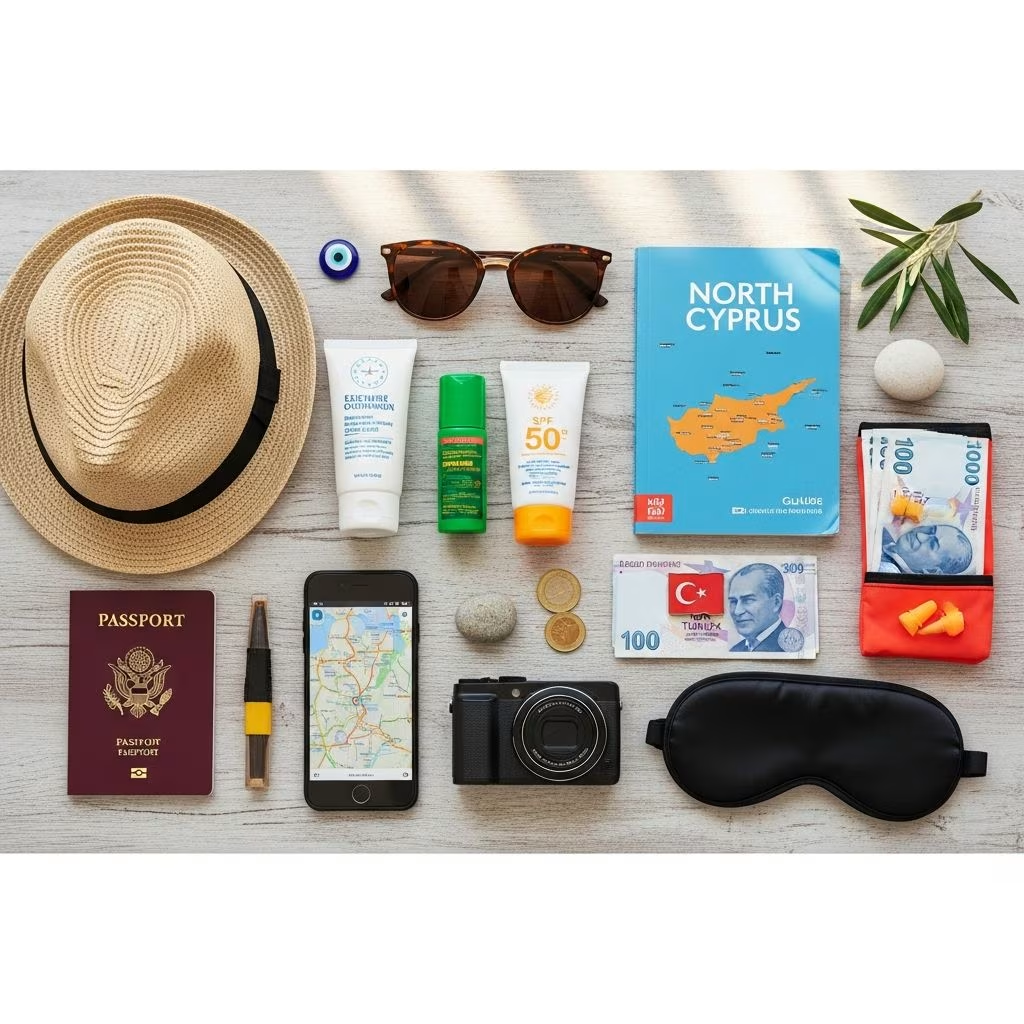 Travel Essentials
North Cyprus represents one of the Mediterranean’s most compelling yet underexplored travel destinations, offering a unique blend of historical significance, natural beauty, and cultural authenticity. This territory, located on the northern third of the island of Cyprus approximately 70 kilometers south of Turkey, attracts travelers seeking an alternative to more commercialized Mediterranean destinations. Unlike its southern counterpart, North Cyprus maintains a distinctive character shaped by its Turkish Cypriot heritage, more affordable pricing, and a slower pace of tourism development that preserves much of its charm.
The geography of North Cyprus plays a crucial role in defining its appeal. The territory encompasses dramatic mountain ranges, particularly the striking Kyrenia Mountains, which form a natural spine running through the northern portion of the island. These peaks, reaching impressive elevations, create a stunning backdrop to coastal towns and serve as a magnet for hiking enthusiasts and nature lovers. The Karpaz Peninsula, often referred to locally as the panhandle, extends eastward and represents one of the region’s most pristine areas, featuring wild landscapes, unique flora, and rare wildlife including wild donkeys that have roamed these lands for generations.
From a cultural perspective, North Cyprus embodies Turkish Cypriot traditions, cuisine, hospitality, and Islamic heritage distinct from the Orthodox Greek Cypriot culture found in the south. This cultural distinction enriches the travel experience, offering visitors authentic exposure to Mediterranean Muslim traditions, architecture, and social customs. The region’s position as a territory recognized primarily by Turkey creates an intriguing geopolitical context that adds depth to any exploration of its history and contemporary society.
Three principal towns anchor North Cyprus as destinations, each offering distinct atmospheres and attractions. Kyrenia, internationally recognized as Girne in Turkish, stands as arguably the most picturesque settlement, featuring a dramatic harborfront anchored by a medieval castle and surrounded by whitewashed buildings reflecting traditional Mediterranean architecture. The harbor area pulses with life, where cafes, restaurants, and bars line the waterfront, creating an irresistible evening atmosphere. The town serves as an ideal base for exploring surrounding attractions and offers a sophisticated yet relaxed vacation environment.
Gazimağusa, historically known as Famagusta, represents the second major urban center and carries considerably more weight in historical significance. This ancient port city, which served as a crucial trading hub during various historical periods, showcases remarkable Venetian architecture and archaeological remnants spanning multiple civilizations. The old town area presents a fascinating study in layered history, where medieval walls, Gothic churches, and Ottoman structures coexist within compact streets.
Lefkosia, the island’s capital, straddles the territorial boundary with its southern counterpart. The northern section of this divided city maintains its own character while providing access to significant historical monuments, including museums, Ottoman architecture, and bustling local markets that offer genuine cultural immersion distinct from tourist-oriented venues.
History enthusiasts will find North Cyprus exceptionally rewarding, as the region contains some of the Eastern Mediterranean’s most important archaeological sites and well-preserved historical structures. The Crusader castles, particularly St Hilarion, Buffavento, and Kantara, command hilltop positions offering both architectural fascination and panoramic vistas across the island. St Hilarion Castle, positioned within the Kyrenia Mountain range approximately 10 kilometers from Kyrenia town, represents a masterpiece of medieval military architecture with remarkably preserved towers and walls that visitors can explore.
Salamis stands as arguably the most significant archaeological site across the entire island, representing an ancient city that flourished across multiple historical periods. The site’s extensive ruins, including theaters, public baths, and residential structures, provide tangible connection to civilizations spanning Hellenistic, Roman, and Byzantine eras.
Bellapais Abbey, constructed in 1205 by religious refugees fleeing Jerusalem, demonstrates outstanding Gothic ecclesiastical architecture. Perched in the Five Finger Mountains approximately 25 minutes from Kyrenia’s center, the abbey’s haunting remains set against cypress trees and Mediterranean vistas create one of North Cyprus’s most evocative locations. The structure’s architectural elements—particularly its ornate Gothic arches—tell stories of medieval religious craftsmanship and faith.
| Activity | Location/Details | Experience Level |
|---|---|---|
| Hiking and Trekking | Kyrenia Mountains offer extensive trail networks | Beginner to Advanced |
| Scuba Diving | Multiple dive sites with abundant underwater wildlife | Beginner to Advanced |
| Paragliding | Tandem flights from Besparmak Mountain Range with aerial views | Beginner-friendly |
| Water Sports | Jet skiing, parasailing, banana boats, paddleboarding | Beginner to Intermediate |
| Boat Excursions | Harbor tours with sunset and evening options | All levels |
| Beach Walking | Golden Sands in Karpaz Peninsula—unspoilt and uncrowded | All levels |
The Kyrenia Mountains present exceptional opportunities for hikers and trekkers seeking rugged scenery combined with archeological interest. Trails vary considerably in difficulty, accommodating everyone from casual walkers to experienced mountaineers. These mountains provide not only physical challenges but also close-up views of Mediterranean flora and panoramic perspectives of coastlines and valley systems.
Water-based activities flourish along North Cyprus’s extensive coastline. Scuba diving ranks particularly highly, with sites scattered throughout territorial waters offering encounters with Mediterranean marine life within preserved ecosystems. The region’s relatively undeveloped coastal areas mean many diving locations remain less crowded than equivalent sites in southern Cyprus or other Mediterranean destinations.
Beyond monuments and landscapes, North Cyprus rewards visitors seeking genuine cultural immersion. Cyprus nights represent traditional entertainment experiences where visitors participate in local cuisine, hospitality, music, and dance traditions. These events, often held in traditional settings, offer windows into Turkish Cypriot social customs and celebratory practices.
Vineyard and wine tasting tours introduce visitors to the region’s viticulture heritage. North Cyprus maintains wine-producing traditions spanning centuries, with several estates offering guided experiences combining agricultural education with sampling of locally-produced wines.
Festival attendance provides seasonal cultural engagement. The Northern Cyprus Music Festival, held at Bellapais Monastery from mid-September through early November, brings musicians and audiences together in the abbey’s extraordinary setting. Additional annual festivals celebrate olive harvests, orchids, and other regional specialties, providing opportunities to participate in community celebrations alongside local residents.
Transportation within North Cyprus relies primarily on dolmuşes—minibuses that operate on informal schedules, departing whenever they reach capacity rather than maintaining published timetables. Between Nicosia and Kyrenia, services typically run every 30 minutes, while inter-town routes generally operate hourly. These vehicles cater primarily to local populations rather than tourists, becoming scarce in early evening hours. Certain attractions like St Hilarion Castle sit several kilometers from dolmuş routes, necessitating alternative transportation arrangements.
Car rental presents a practical option for visitors seeking flexibility in exploration. Standard European driver’s licenses prove sufficient for renting vehicles; international driving permits are unnecessary. Traffic operates on the left side of roads, following British conventions inherited from Cyprus’s colonial history. The less-developed road infrastructure outside major urban areas reflects the region’s tourism development stage.
Accommodations range from basic guesthouses through boutique properties to larger resort complexes, with pricing generally lower than southern Cyprus due to the territory’s position outside the Eurozone. Tourist infrastructure continues gradual improvement, though visitors accustomed to highly developed Mediterranean destinations should adjust expectations regarding amenities and service standards.
Mediterranean climate patterns influence North Cyprus travel timing. Summer months bring intense heat alongside peak tourist season, crowding popular beaches and increasing accommodation costs. Spring and autumn offer pleasant temperatures ideal for hiking and cultural exploration, with fewer visitors and lower prices. Winter brings mild weather suitable for sightseeing, though water temperatures deter most swimmers.
Yes, though access typically requires entering through Turkey or traveling from southern Cyprus. Visitors should verify current regulations regarding territorial entry and documentation requirements, which may vary based on citizenship and geopolitical circumstances.
The Turkish Lira functions as official currency, making North Cyprus notably cheaper than Eurozone destinations and contributing to its budget-friendly reputation among Mediterranean travelers.
A three to five-day visit allows adequate time for experiencing major towns, visiting primary historical sites, and participating in at least one outdoor activity. Extended stays enable deeper exploration of mountain trekking, peripheral villages, and seasonal cultural events.
North Cyprus maintains distinct Turkish Cypriot cultural identity, lower tourist infrastructure development, more affordable pricing, and geopolitical recognition primarily from Turkey. These factors create different travel experiences and atmospheres compared to the Greek Cypriot south.
Turkish Cypriot cuisine reflects Mediterranean and Turkish influences, featuring mezze (appetizer platters), grilled meats and seafood, and distinctive local preparations. Harbourfront restaurants in Kyrenia offer particularly appealing dining backdrops, while exploring local neighborhood establishments provides authentic culinary experiences at reduced prices.
