

 Travel Essentials
 Travel Essentials

Explore North Dakota's diverse landscapes from badlands to prairies, iconic national parks, historic sites, vibrant cities, and outdoor pursuits in this comprehensive travel guide.
 Travel Essentials
North Dakota offers a unique blend of vast open spaces, dramatic natural formations, and deep historical roots that draw nearly 22 million visitors annually to its diverse landscapes. From the flat expanses of the Red River Valley to the hilly drift prairies and the rocky Missouri Plateau with its iconic buttes and badlands, this state provides endless opportunities for adventure, reflection, and discovery. Whether you’re hiking rugged trails, tracing explorer paths, or immersing in Native American heritage, North Dakota delivers an authentic American experience far from crowded tourist spots.
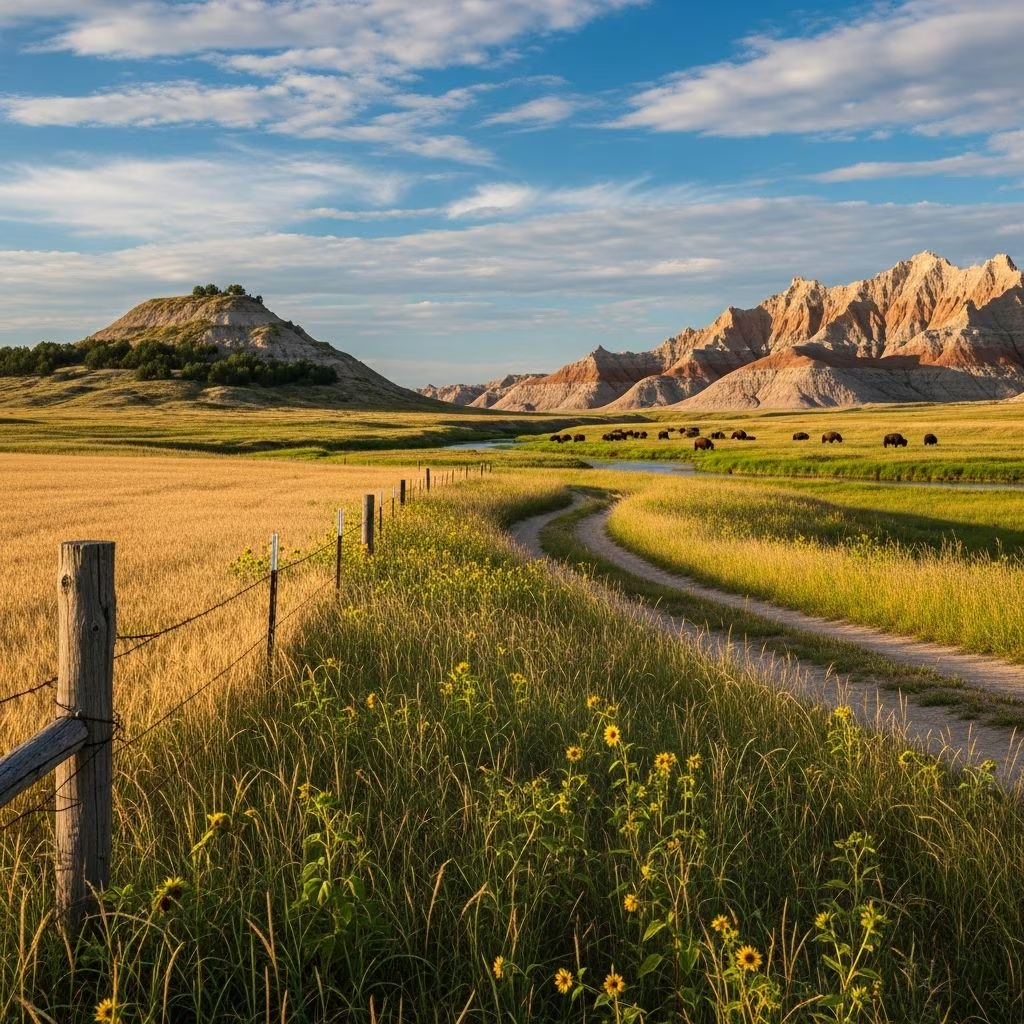
The state’s geography is a tapestry of contrasts, shaped by ancient glaciers, winding rivers, and relentless winds. The Missouri River slices through the center, creating fertile valleys and opportunities for scenic cruises. In the west, badlands rise dramatically, home to bison herds and prairie dogs, while the north features serene lakes and international gardens.
Spanning two units in the state’s western region, Theodore Roosevelt National Park showcases the landscapes that inspired the 26th U.S. President during his ranching days. The South Unit near Medora features winding loops through colorful canyons, petrified forests, and overlooks like Wind Canyon for bison viewing at sunset. The North Unit offers quieter solitude with the 36-mile Maah Daah Hey Trail extension, where hikers, bikers, and horseback riders navigate plateaus and valleys amid wild horses and elk.
Stretching 144 miles from the South Unit to the northern badlands, this premier trail embodies North Dakota’s rugged spirit. Named “Great Trail” in the Hidatsa language, it connects parks, forests, and grasslands, ideal for multi-day backpacking or fat biking in winter races like Bold St Nick’s.
North Dakota’s past is etched in earthworks, forts, and museums, reflecting Native traditions, fur trade eras, and pioneer grit.
Follow the explorers’ route through Knife River Indian Villages National Historic Site, where Hidatsa earth lodges reveal pre-colonial life. Cruise the Lewis and Clark Riverboat from Bismarck for narrated tours spotting herons and deer, or explore Cross Ranch State Park’s remote prairies and restored grasslands.
Fort Union Trading Post National Historic Site stands as the longest continually operated fur trade post in the Upper Missouri region, with reconstructed buildings and reenactments. The North Dakota Heritage Center in Bismarck traces state history from Ice Age fossils to modern energy booms via interactive exhibits.
| Key Historic Site | Location | Highlights |
|---|---|---|
| Knife River Villages | Stanton | Earth lodges, Hidatsa artifacts, self-guided tours. |
| Fort Union | Fort Buford | Fur trade demos, visitor center films. |
| ND Heritage Center | Bismarck | State timeline, dinosaur fossils, railcar exhibit. |
Despite its rural charm, North Dakota boasts lively urban centers blending modern amenities with artistic flair.
The state’s largest city pulses with creativity at the Plains Art Museum, featuring contemporary Native and regional works. Catch indie films or live music downtown, and explore the Fargo Air Museum’s WWII aircraft restorations. Woodchipper Alley nods to the Coen Brothers’ film, adding quirky appeal.
As the political heart, Bismarck offers the State Capitol’s modern architecture and the nearby Dakota Zoo amid river bluffs. July 4th fireworks light up the Missouri, while summer festivals fill the air with music.
A car is essential for unlocking North Dakota’s best vistas. Key routes include:
The International Peace Garden, straddling the U.S.-Canada border, blooms with 3,000 floral varieties in 2,300 acres, perfect for peaceful strolls.
Four distinct seasons dictate the rhythm of travel here. Winters bring snowmobiling on 1,000+ miles of groomed trails; springs awaken prairies with wildflowers and bird migrations.
Spring’s thaw reveals biking paths and uncrowded trails, as highlighted in official tourism videos.
Getting Around: Fly into Fargo (FAR), Bismarck (BIS), or Minot (MOT), then rent a car for flexibility. Roads are well-maintained, even in winter with precautions.
Where to Stay: Rustic lodges in parks, B&Bs in Medora, hotels in cities. Camp at 13 state parks with modern amenities.
Budgeting: Affordable—park entry $30/vehicle, gas under national average, meals $10-20.
Summer (June-August) for festivals and warmth (70-85°F), or shoulder seasons for solitude.
Yes—zoos, waterparks, easy trails, and interactive museums abound.
Five units, including Theodore Roosevelt NP and Knife River Villages.
7-10 days to cover west badlands, central history, and east cities.
Distinct seasons: cold winters (-10°F), hot summers (90°F), variable springs/falls.
Beyond trails, fish walleye in the Missouri, birdwatch 400+ species, or golf championship courses. Golfers love Bully Pulpit in Medora amid badlands. Water lovers hit lakes for kayaking or Rivers, Resorts & Wine Trail.
North Dakota’s allure lies in its authenticity—wide skies, friendly locals, and stories of resilience. Plan your journey to this understated wonder.
