


 Food & Culture
Food & Culture
North Macedonia Travel Guide: Lakes, Mountains & Culture
Discover North Macedonia’s lakes, mountains, and historic towns—an affordable Balkan getaway for authentic adventures, culture, and nature.
 Food & Culture
North Macedonia, nestled in the heart of the Balkans, offers a captivating blend of crystalline lakes, rugged mountains, and rich cultural heritage that remains largely undiscovered by mass tourism. This compact nation delivers profound experiences, from swimming in ancient waters to wandering cobblestone streets lined with Ottoman architecture. Whether you’re drawn to serene nature escapes or historical wonders, North Macedonia promises authentic adventures at every turn.
Why North Macedonia Deserves Your Next Adventure
Boasting over 1,200 lakes and a diverse topography that spans deep canyons, ski resorts, and UNESCO-protected towns, North Macedonia stands out for its affordability and unspoiled beauty. The country’s strategic location between Greece, Albania, Bulgaria, and Kosovo makes it an ideal hub for regional exploration. Travelers appreciate the warm hospitality of locals, who share stories over glasses of rakija, the potent fruit brandy that’s a national staple. With low costs—meals under $10 and hostels from $15—it’s perfect for budget-conscious explorers seeking depth over flash.
Recent developments, like improved bus networks and eco-tourism initiatives, have enhanced accessibility. The nation’s commitment to preserving its 365 churches around Lake Ohrid, earning it the moniker ‘Balkan Jerusalem,’ underscores its spiritual legacy dating back to Byzantine times.
Planning Your Journey: Best Times and Logistics
Spring (April-June) and fall (September-October) provide mild weather ideal for hiking and sightseeing, with fewer crowds than summer peaks. Winters attract skiers to Mavrovo, while summers buzz with lake festivities. Fly into Skopje International Airport, served by budget carriers from major European hubs.
Public buses connect cities efficiently; a Skopje-to-Ohrid ticket costs about €15 and takes 3 hours. Renting a car unlocks remote trails, but note mountain roads can be winding. Trains are limited, so buses or shuttles are preferable. Currency is the denar (MKD); ATMs are widespread, and cards are accepted in cities.
- Visa: Schengen visa-free for 90 days for most nationalities.
- Language: Macedonian; English common in tourist areas.
- Health: No major risks; tap water safe in cities.
Skopje: The Dynamic Capital Gateway
Skopje greets arrivals with a striking mix of neoclassical statues and Ottoman relics. The central Macedonia Square features a towering Alexander the Great statue, surrounded by fountains and cafes. Cross the iconic Stone Bridge to the Old Bazaar (Čaršija), a labyrinth of hammams, mosques, and artisan shops selling copperware and textiles.
Climb to Kale Fortress for panoramic views, or visit the Daut Paša Hamam, now a gallery showcasing local art. Don’t miss the Memorial House of Mother Teresa, honoring the Skopje-born saint. Evenings come alive with live music in teahouses.
| Skopje Highlight | Why Visit | Time Needed |
|---|---|---|
| Old Bazaar | Historic markets, mosques | 2-3 hours |
| Stone Bridge & Square | Modern architecture contrast | 1 hour |
| Kale Fortress | City vistas | 1 hour |
Lake Ohrid: Nature’s Masterpiece and Cultural Jewel
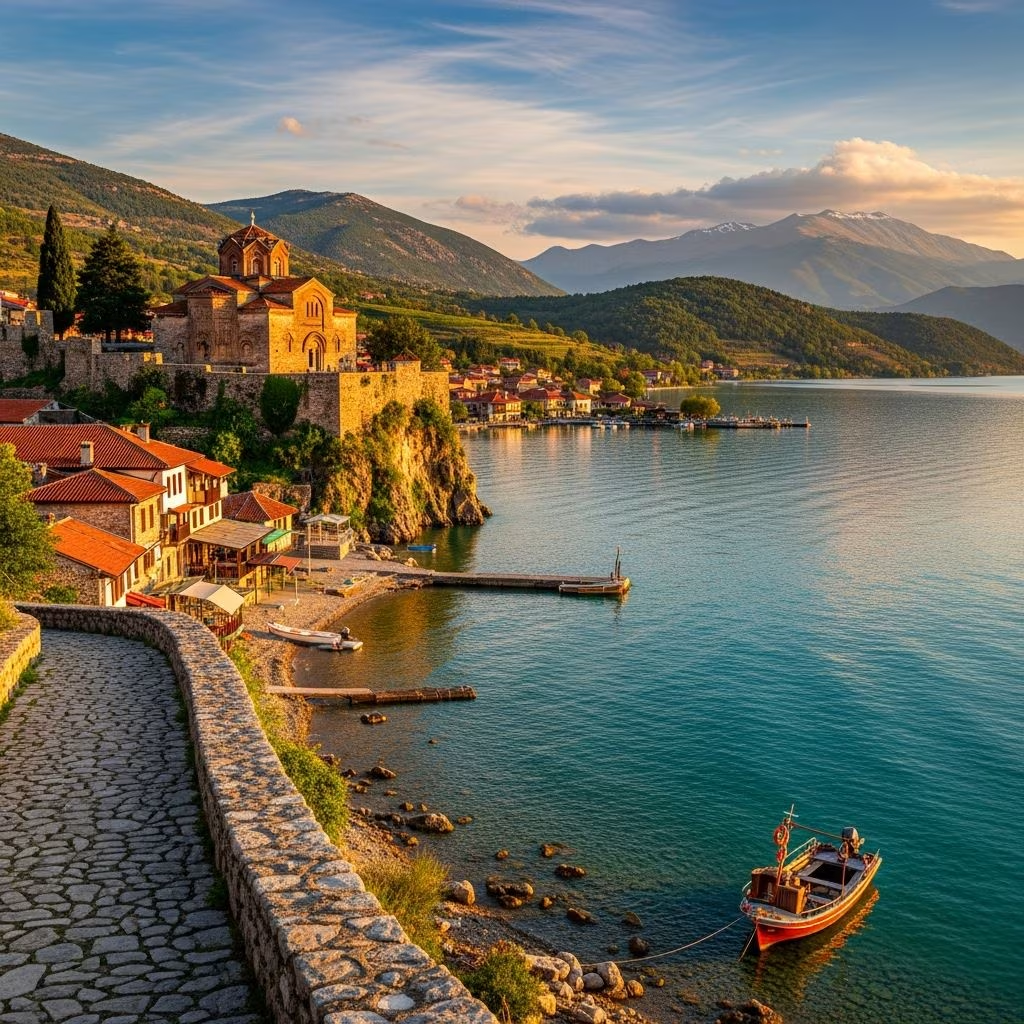
Shared with Albania, Lake Ohrid is one of Europe’s oldest and deepest lakes, teeming with endemic species like the Ohrid trout. The UNESCO-listed town of Ohrid cascades to the shore, its stone paths leading to churches like St. John at Kaneo, perched dramatically on a cliff. Swim from pebbly beaches or stroll the promenade lined with lakeside tavernas serving fresh fish and tavče gravče, baked beans in a rich sauce.
Boat trips reveal hidden coves and the springs at Sveti Naum Monastery, where clear waters bubble from underground. The Bay of Bones Museum reconstructs prehistoric pile dwellings, offering insight into Bronze Age life on stilts over the lake. Nearby, Samoil’s Fortress ruins evoke medieval battles.
- Swim in translucent waters reaching 200m deep.
- Explore over 365 Byzantine churches.
- Hike Galicica National Park trails for alpine meadows.
Matka Canyon: Adventure in the Wild
Just 15km from Skopje, Matka Canyon carves through dramatic gorges with emerald Treska River waters. Rent kayaks to paddle past sheer cliffs, or take a boat to Vrelo Cave, among the world’s deepest at 220m. Hiking paths lead to monasteries like St. Andrew’s, blending spirituality with adrenaline.
Picnic spots abound, and rock climbing draws enthusiasts. It’s a serene escape, perfect for a half-day from the capital.
Beyond the Highlights: Mountains, Parks, and Towns
Mavrovo National Park offers skiing in winter and hiking amid Europe’s highest peaks, like Mount Korab at 2,764m. Pelister National Park near Bitola features pine forests and glacial lakes. Bitola’s bazaar and Heraclea Lyncestis ruins provide a quieter alternative to Ohrid.
Struga, north of Ohrid, hosts poetry festivals and bridges the lake’s shores. Krusevo, at 1,570m, claims the title of ‘freest town’ for its 1903 uprising role, with Ottoman houses and paragliding spots. Dojran Lake in the southeast draws birdwatchers.
Culinary Delights: Savoring Macedonian Flavors
North Macedonia’s cuisine fuses Ottoman, Mediterranean, and Slavic influences. Rakija starts meals, followed by ajvar (roasted pepper relish) and shopska salad. Lake Ohrid specialties include grilled korushko trout. Wines from Tikveš region pair perfectly, with indigenous vranec grapes. Street food like burek (flaky pastry with cheese or meat) fuels explorations.
Markets brim with local cheeses, honey, and herbs. Vegetarian options abound in taverns.
Sample Itineraries for Every Traveler
Weekend Escape (3 Days)
- Day 1: Skopje sights and bazaar.
- Day 2: Matka Canyon adventure.
- Day 3: Cable car to Millennium Cross on Vodno Mountain.
One Week Immersion (7 Days)
- Days 1-2: Skopje and day trip to Matka.
- Days 3-5: Ohrid, Sveti Naum, boat tours.
- Days 6-7: Mavrovo or Bitola en route back.
Practical Tips for a Seamless Trip
- Transport: FlixBus for intercity; taxis via apps like GoOpti.
- Accommodation: Boutique guesthouses in Ohrid (€30-60/night); hostels in Skopje.
- Safety: Very safe; petty theft rare.
- Sustainability: Use reusable bottles; stick to marked trails.
Frequently Asked Questions (FAQs)
Is North Macedonia safe for solo travelers?
Yes, it’s one of Europe’s safest countries, with friendly locals and low crime rates.
How do I get from Skopje to Ohrid?
Direct buses run frequently (3 hours, €15); private transfers available.
What’s the best month to visit Lake Ohrid?
June or September for warm water without peak crowds.
Do I need a car in North Macedonia?
Not essential; buses suffice, but useful for national parks.
What currency should I use?
Macedonian denar (MKD); euros accepted in tourist spots.
References
- North Macedonia Tourism Promotion — Republic of North Macedonia Agency for Promotion and Support of Tourism. 2025-01-15. https://tourism.gov.mk/en/
- UNESCO World Heritage Centre: Natural and Cultural Heritage of the Ohrid region — UNESCO. 2024-06-20. https://whc.unesco.org/en/list/593/
- Statistical Office of the Republic of North Macedonia: Tourism Statistics — State Statistical Office. 2025-03-10. https://www.stat.gov.mk/
- European Travel Commission: North Macedonia Destination Guide — ETC. 2025-02-28. https://etc-corporate.org/destination/north-macedonia/
- World Bank: North Macedonia Economic Update — World Bank. 2025-04-01. https://www.worldbank.org/en/country/northmacedonia
On This Page
Why North Macedonia Deserves Your Next Adventure Planning Your Journey: Best Times and Logistics Skopje: The Dynamic Capital Gateway Lake Ohrid: Nature's Masterpiece and Cultural Jewel Matka Canyon: Adventure in the Wild Beyond the Highlights: Mountains, Parks, and Towns Culinary Delights: Savoring Macedonian Flavors Sample Itineraries for Every Traveler Practical Tips for a Seamless Trip Frequently Asked Questions (FAQs)← Previous
Florence Travel Guide 2026: Top Sights, Food & Itineraries
Next →
Magic Kingdom Guide: Rides, Tips, Dining & Planning
Related Reading
More in Food & Culture
Food & Culture Food & Culture
 Food & Culture
Best Places to Eat in Rome: Neighborhood Dining Guide
 Food & Culture
 Food & Culture