

 Travel Essentials
 Travel Essentials

Discover Northern California's Gold Country with a comprehensive 7-day itinerary blending coastal ecology, Victorian architecture, outdoor recreation, and Gold Rush history.
 Travel Essentials
Northern California’s Gold Country represents one of the most diverse travel destinations on the Pacific Coast, blending ecological treasures with historical significance and recreational opportunities. This region, stretching from the dramatic coastlines of Humboldt County through the Sierra Nevada foothills, offers visitors an extraordinary combination of natural wonders and cultural experiences that reveal centuries of human history layered across stunning landscapes.
The Gold Country encompasses a vast territory where multiple ecosystems converge. From pristine coastal wetlands to towering old-growth forests and dramatic mountain peaks, the region showcases California’s most impressive environmental features. What makes this area particularly compelling for travelers is the seamless integration of natural attractions with preserved historical sites, craft beverages, and local culinary traditions. Visitors can transition from kayaking beneath ancient redwoods to exploring abandoned mining operations and enjoying contemporary artisanal breweries within a single day.
The region’s significance extends beyond its natural beauty. During the 1800s, the discovery of gold transformed this landscape, attracting thousands of fortune-seekers and establishing communities that many visitors still inhabit today. These towns have evolved into charming destinations where Victorian architecture stands alongside modern amenities, and museums preserve crucial narratives about indigenous peoples, early settlers, and the environmental consequences of historical extraction activities.
The journey through Gold Country traditionally begins along the dramatic Northern California coast. This gateway region introduces visitors to the ecological diversity they’ll encounter throughout their travels. Coastal preserves protect critical habitats for marine and terrestrial species, while scenic overlooks provide unparalleled views of the Pacific Ocean and its interactions with rocky shorelines.
Several significant natural landmarks characterize this coastal approach:
Environmental education centers in this region actively engage visitors in conservation efforts. These nonprofit organizations provide guided experiences through native plant collections and interactive natural spaces designed to deepen understanding of local ecology. Such institutions emphasize the interconnection between human activity and environmental health, offering perspectives on sustainable tourism and habitat protection.
Moving inland from the coast, travelers encounter a series of preserved 19th-century towns that have maintained their historical character while embracing contemporary cultural vitality. These communities showcase distinctive architectural styles reflecting their economic histories. Many structures date from periods of agricultural prosperity or mining success, now serving as restaurants, galleries, and accommodations for modern visitors.
Several communities stand out for their preservation efforts and cultural offerings:
| Town | Historical Significance | Primary Attractions |
|---|---|---|
| Coastal Communities | Military and commercial heritage from 19th century | Breweries, museums, beachside walks |
| Bay Area Towns | Dairy industry prominence, Victorian architecture | Botanical gardens, historic inns, local dining |
| Mountain Villages | Mining operations and frontier settlement | Caverns, preserved mines, historic theaters |
| Gold Rush Towns | Gold discovery and early prospecting era | Mining sites, museums, panning opportunities |
The craft beverage culture represents a significant component of the regional tourism experience. Many establishments specialize in organic production methods and local sourcing, combining traditional brewing techniques with contemporary flavor profiles. Visitors frequently participate in tasting experiences that provide context about production processes and ingredient origins.
Humboldt Bay and its surrounding waterways offer exceptional opportunities for aquatic recreation and wildlife observation. This protected marine environment supports diverse bird populations, marine mammals, and fish species that reflect the region’s ecological health. Guided tours, particularly kayaking expeditions, provide intimate perspectives on this aquatic ecosystem from water level.
Recreational activities include:
Specific waterways provide particularly memorable experiences. The Redwood River kayaking corridors offer paddlers the extraordinary experience of traveling through forested tunnels created by thousand-year-old trees. These tours typically conclude at locations where visitors can observe restored indigenous sites and participate in community cultural events.
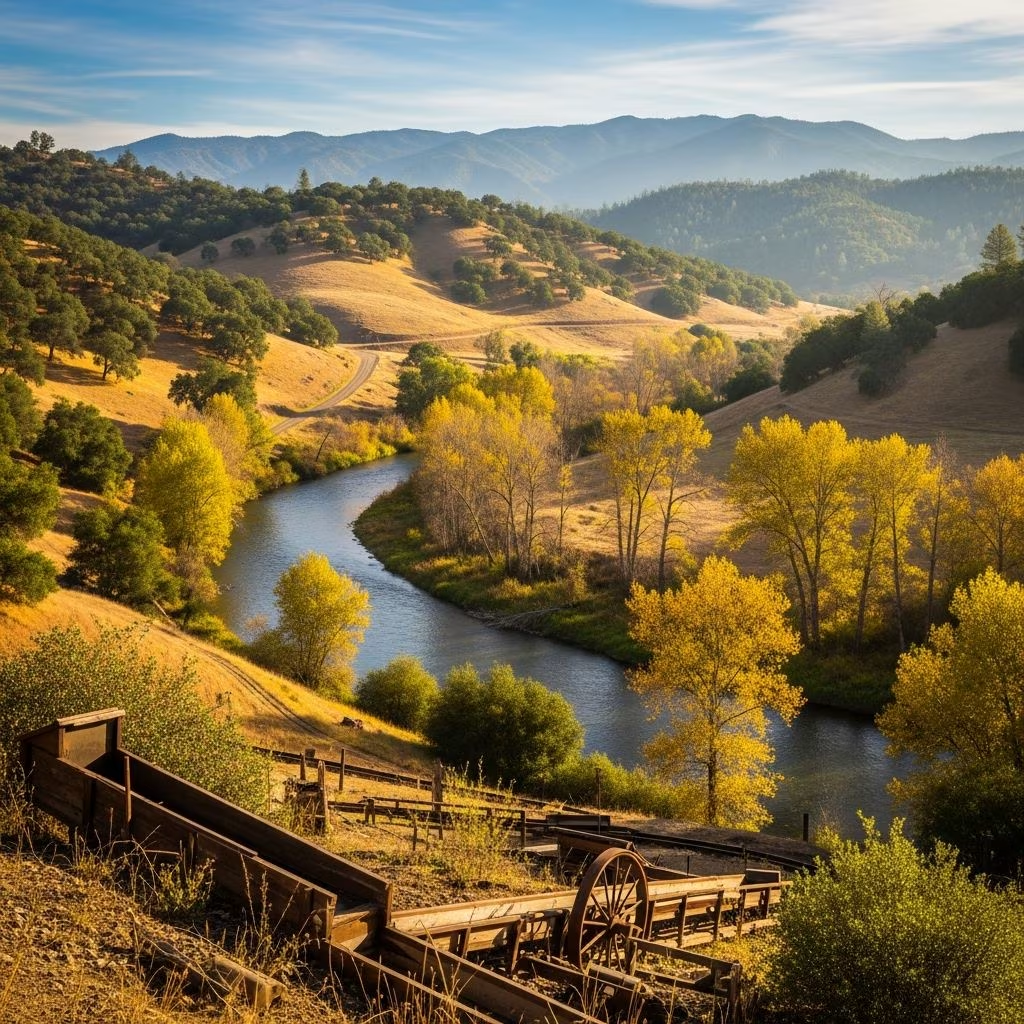
The transition into the mountain regions reveals the Gold Country’s mining legacy through both natural and constructed landscapes. Geological formations display the dramatic effects of historical mining operations, including canyon-like formations created by hydraulic extraction methods. State historic parks preserve both the physical infrastructure of mining activities and the stories of people who worked these operations.
Key heritage sites demonstrate different aspects of mining history:
Modern visitors can participate in gold panning experiences that connect them to the prospecting activities that attracted 19th-century settlers. These hands-on activities occur in river settings where significant portions of mineral deposits remain, making small discoveries entirely possible for contemporary tourists.
The region’s geology includes extensive cavern systems that developed through millennia of water erosion through limestone formations. These underground spaces represent geological history spanning millions of years and offer distinctive exploration experiences. Access typically involves specialized tours combining multiple transportation methods and highlighting both geological formations and archaeological significance.
Cavern tour experiences typically include:
The subterranean environment provides dramatic temperature variations, requiring visitors to prepare with appropriate clothing regardless of outdoor conditions. These spaces also represent fragile ecosystems requiring careful visitor management to prevent damage to geological features.
Contemporary Gold Country tourism increasingly emphasizes the long human history preceding European settlement. Indigenous peoples inhabited this region for thousands of years, developing sophisticated cultural practices and sustainable resource management systems. The Gold Rush era significantly disrupted these communities through displacement, disease, and violence, aspects that historical narratives now more completely address.
Cultural recognition initiatives include:
Visitors participating in these educational experiences gain fuller understanding of Gold Country history while contributing to recognition and economic support for indigenous communities.
The region offers accommodation options ranging from historic properties with period authenticity to contemporary hotels providing modern amenities. Many historic inns have operated continuously for over a century, adapting to contemporary hospitality standards while maintaining architectural integrity and historical character.
Dining experiences reflect regional agricultural heritage and contemporary culinary trends. Local restaurants emphasize ingredients sourced from nearby producers, incorporating regional traditions with innovative preparation methods. Evening meals often feature regional specialties and locally produced beverages in intimate settings that encourage conversation and community connection.
A comprehensive Gold Country exploration requires seven days to experience the geographic diversity and historical depth adequately. This timeframe permits unhurried travel between regions, extended engagement with specific attractions, and flexibility for spontaneous discoveries. Early planning regarding accommodations ensures access to distinctive properties that enhance the overall experience, particularly during peak tourism seasons.
Transportation throughout the region relies primarily on personal vehicles, though shuttle services connect certain major attractions. Careful route planning permits efficient travel while allowing ample time for exploration at each destination.
The optimal travel season extends from late spring through early fall, when weather conditions support outdoor recreation and all attractions maintain full operational schedules. Winter visits offer distinct advantages including fewer crowds and reduced accommodation costs, though some outdoor activities become seasonally limited.
